
Last updated November 23, 2026
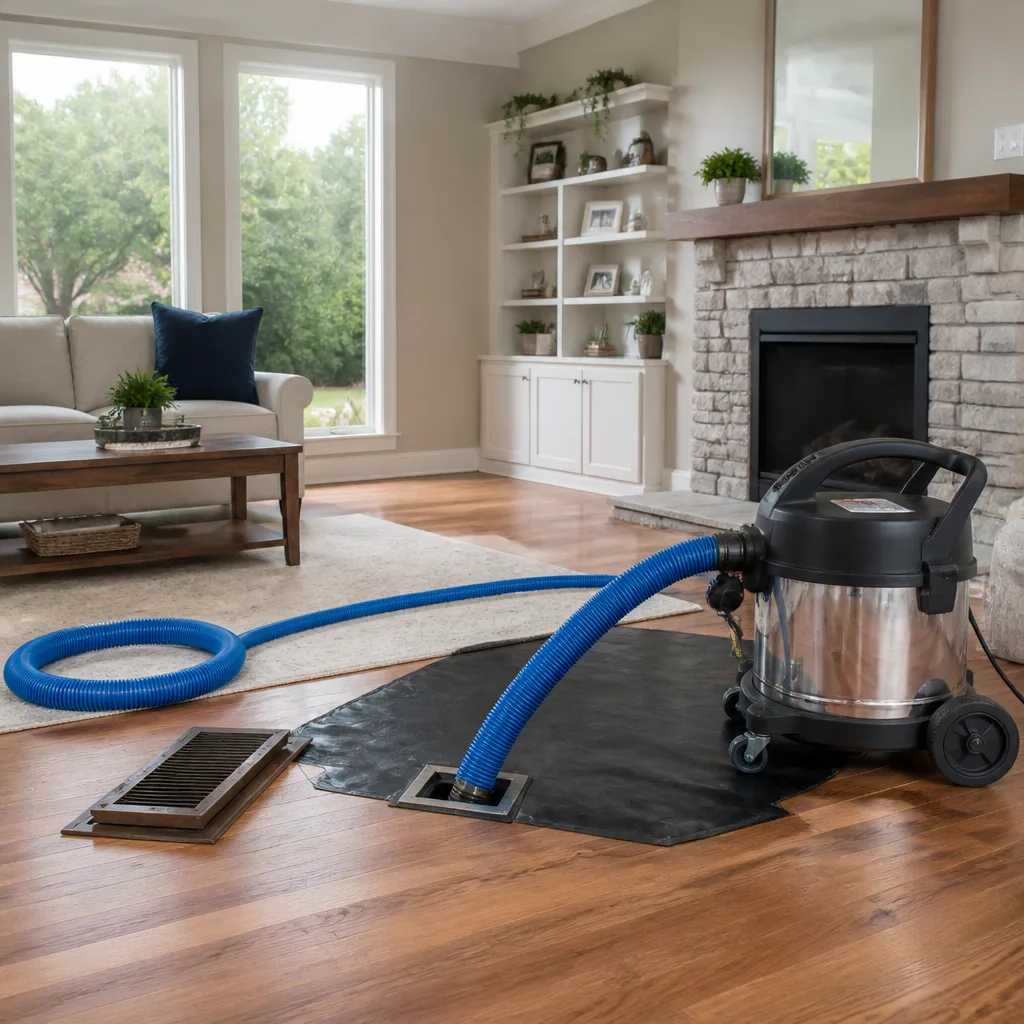 Whole-home duct cleaning
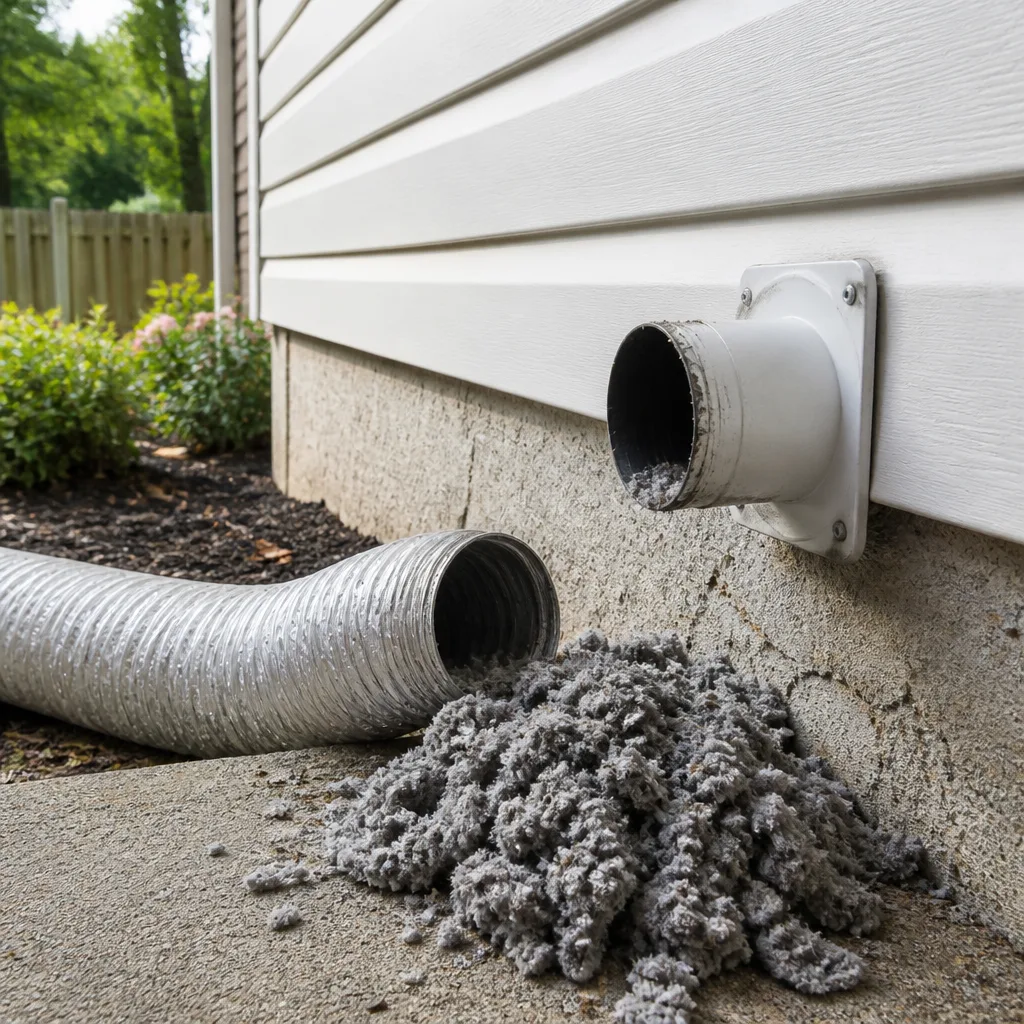 Dryer vent cleaning
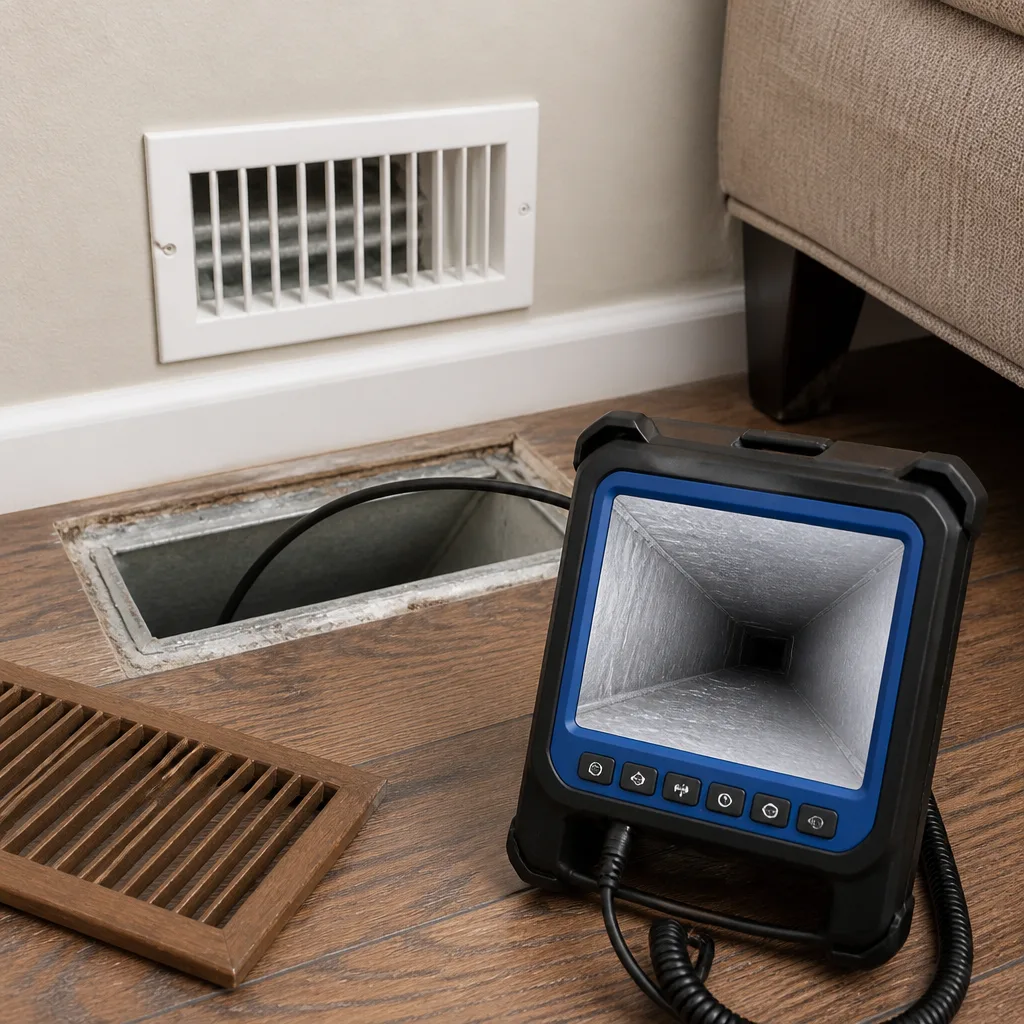 Camera inspection
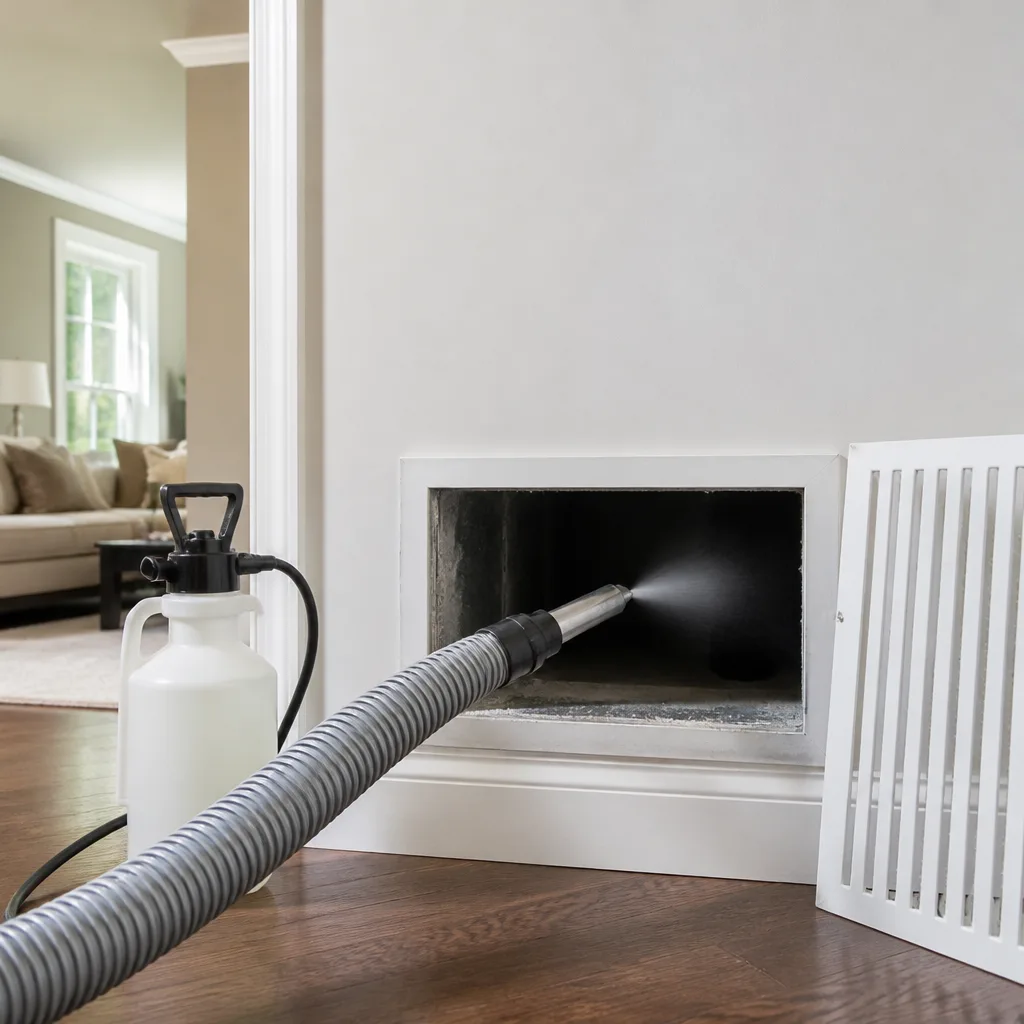 Sanitizing & deodorizing
Whole-system duct and dryer vent check with before-and-after photos - you see exactly what came out of your vents
That "$99 whole-house special" is a bait ad - the real number appears once they are in your hallway, or the "clean" is a shop-vac at the register. We photograph the inside of your ducts before and after instead.
Air Duct Cleaning Warning Signs: A Placentia Homeowner’s Reference Guide
By the time you see a dust cloud shoot from your register, you’ve already missed about six earlier warning signs that your duct system gave you over the past year. That’s the part most homeowners don’t hear. The dramatic symptoms get all the attention, but they show up last. The signals that actually matter are quieter: a faint smell when the system kicks on, one bedroom that never matches the hallway, a dust ring with a particular shape, a summer electric bill that’s crept up without a clear reason. In Placentia, a mild-winter, hot-summer climate that sits in a specific energy zone, those early signs tend to look a certain way, and knowing what’s normal for a home here is what lets you catch a problem while it’s still cheap to fix. This guide walks through the early indicators, how to read them, and when it’s time to call.
Quick Answer
The most actionable early warning signs of a duct problem in Placentia are subtle: dirt bypass at the filter frame (not just a dirty filter), uneven room temperatures that point to leakage rather than HVAC sizing, dust rings on registers shaped like halos or streaks, a musty or chemical smell when the system starts, and a cooling-season energy bill climbing while your habits stay the same. Visible mold and dust puffs are late-stage signs. Catch the earlier ones and you’re typically looking at cleaning, repair, and sealing rather than a full system failure.
Styles & brands we work with
- Whole-home duct cleaning
- Dryer vent cleaning
- Camera inspection
- Sanitizing & deodorizing
Table of Contents
- The Filter Frame Test: Dirt Bypass vs. a Normal Dirty Filter
- Why Uneven Room Temperatures Point to a Duct Sealing Failure
- The Pressure Differential Check You Can Do Yourself
- What Dust Ring Shapes Tell You About Your Ducts
- Odor Diagnostics: Musty, Burning, or Chemical
- Reading Your Utility Bill as a Trailing Indicator
- The Contamination Chain: Why Cleaning Alone Isn’t the Full Fix
- What’s Normal for a Placentia Home in This Climate
The Filter Frame Test: Dirt Bypass vs. a Normal Dirty Filter
A dirty filter is normal. It’s supposed to get dirty; that’s the job. Dirt around the filter’s edges, on the frame, or streaking past it is a different story. That pattern means unfiltered air is slipping past the filter instead of through it, and in our experience it’s one of the earliest duct leak indicators you can spot on your own.
Here’s how to tell which one you’re looking at:
- Pull the filter and look at the filter face itself. Even gray coating across the whole surface? That’s normal loading and just means it’s due for a change.
- Look at the metal or plastic frame the filter sits against. A ring of dust or dark grime on the frame, especially at the corners and along one edge, means air is bypassing the filter.
- Run a finger along the inside of the return plenum (the duct just behind the filter). A visible dust film on the metal that extends past the filter’s footprint is dirt bypass.
- Check the filter’s fit. A filter that’s loose in a slightly oversized slot lets air around the sides rather than through the media.
- Look for streaks on the coil or blower side. Air that bypassed the filter carries dust into the equipment, and it shows up as directional dirt trails.
Why it matters: dirt bypass over time loads the evaporator coil and blower wheel with dust, which reduces airflow and efficiency, and if it’s coming from a gap in the return side of the system, it’s pulling in unconditioned attic or garage air along with it. In a Placentia home with a garage-mounted or attic air handler, that gap often sits right at the unit’s return connection, an easy spot to miss on a walkthrough. If the dirt film extends well beyond the filter footprint, the practical fix is HVAC cleaning combined with addressing the leak, not just a fresh filter.
Why Uneven Room Temperatures Point to a Duct Sealing Failure
If the back bedroom is consistently a few degrees off from the rest of the house, the instinct is to blame the air conditioner’s size or the thermostat. In our experience in Placentia’s tract homes, the more common cause is a leaking or disconnected branch duct. Air is either escaping into the attic before it reaches the room, or the duct run has come loose at a joint, and the room simply never gets its full share.
Here’s how to narrow it down before calling anyone:
- Map the pattern. Note which rooms run hot and which run cold on the same setting. A consistent room-to-room gap that follows the floor plan (far rooms coldest or hottest) is a distribution problem, not a sizing problem.
- Feel the registers. A register with noticeably weaker airflow than the others, especially at the end of a run, is a common sign of leakage or a crushed or disconnected duct segment.
- Watch the run-up time. If the house takes much longer than it used to reach the thermostat setpoint, the system is working harder to move the same air.
- Look in the attic if you can safely access it. Flexible ductwork that’s sagging, kinked, or pulled loose at a boot is a straightforward thing to spot and a straightforward thing to fix.
Uneven temperatures are the symptom homeowners describe most often to us, and the diagnosis usually comes down to air that’s supposed to reach a room and doesn’t. That’s a duct repair and sealing job, and it’s a good reason to look at air duct cleaning at the same time, since a disconnected run is also an open door for dust and attic debris.
The Pressure Differential Check You Can Do Yourself
You can get a rough read on duct leakage with a tissue and your hand. It’s not a calibrated test, and it doesn’t replace a professional inspection, but it will tell you whether a room is being starved of air or an attic duct run has come apart.
- Close the house up. Shut windows and doors and set the thermostat to a normal run so the system stays on.
- Test one register at a time. Hold a light tissue strip at the face of the register and feel the airflow with your palm. Normal supply registers push air out with steady, even force.
- Compare rooms. A register that barely moves the tissue when the others push it flat is starved, which points to a leak or disconnect upstream.
- Check the return side. Hold the tissue at the return grille. A return that seems to pull hard but has little airflow elsewhere can mean the system is drawing attic or crawl air through a break in the return.
- Listen while you’re at it. A whistling or rushing sound at a joint, boot, or the air handler itself often signals a leak.
What this tells you: a starved register with otherwise strong airflow elsewhere is a strong hint that a branch duct has a break or a bad connection. Weak airflow at everything can point to a filter issue, a blower problem, or a collapsed section. Either way, a spot check with your hand is the fastest five minutes you’ll spend on this. A qualified technician can do a proper leakage assessment and, once the leak is found, repair and seal it, which is what actually stops the problem rather than masking it.
What Dust Ring Shapes Tell You About Your Ducts
The dust that collects around a register tells a story if you look at its shape. Two patterns mean two different things, and they carry different repair costs.
- The halo pattern. A fairly even ring of dust on the ceiling or floor around the register, spreading outward. This usually means dust is settling at the register grille and the surrounding surface from normal air movement plus some dirt from the grille itself. Often a cleaning job. Sometimes it points to a dirty register face rather than deeper duct contamination.
- The directional streak pattern. Dust that trails off to one side or forms a visible line leading away from the register. That’s a sign of air escaping at the edges of the register boot or a gap between the boot and the drywall, which is a sealing issue. The air is leaking before it ever reaches the room, and the fix is caulk, mastic, and sealing rather than just a vacuum.
Why the two matter: a halo pattern is usually a cosmetic and cleanliness signal, while a directional streak is a structural air-leak signal. Treating a streak as just a cleaning job means you’ll see the same pattern return within a season. In Placentia’s dry, warm climate, ceiling registers in rooms that see heavy sun tend to collect the finest dust first, so a halo in a west-facing room after a hot summer isn’t unusual; a streak, by contrast, is a leak. A professional-grade inspection will separate the two and, where needed, repair and seal the boot so the register stops bleeding air. That’s the part most single-service duct cleaners skip.
Odor Diagnostics: Musty, Burning, or Chemical
Your nose is one of the best diagnostic tools you have, but you have to know what each smell means. Three common odors in a Placentia home point to three different problems, and one of them warrants a same-day call.
Musty odor
A musty smell, especially when the system first starts or after a warm humid spell, usually means moisture is present somewhere in the system: a damp coil, a dripping condensate line, or a humid attic duct that’s picking up moisture. It’s not an emergency, but it’s a sign of contamination that cleaning and drying out can resolve. Don’t confuse musty with a damp-closet smell from a nearby leak.
Burning odor
A smell like hot dust or electrical burning when the heat comes on is the one to treat seriously. It can mean dust burning off a heating element normally (a one-time smell early in the heating season), or it can mean debris near the heating element, a restricted airflow problem, or a failing component. If the smell is persistent, strong, or accompanied by any smoke or a tripped breaker, turn the system off and call for service. This is not a wait-and-see situation. Electrical and heating-element components are not a do-it-yourself area.
Chemical odor
A sharp, chemical, or “new plastic” smell that isn’t there when the system is off can point to off-gassing from fresh contamination, materials, or something pulled into the return. It’s less common, but persistent chemical odors deserve a look because they can indicate a contaminant source you haven’t identified. In our experience, the fix is finding the source, cleaning the affected ducting, and in some cases a sanitizing service using a product like those from the Aprilaire and Guardsman lines.
Reading Your Utility Bill as a Trailing Indicator
Your energy bill is a lagging indicator, which makes it trustworthy. It can’t be faked by a bad bounce in the weather, and it reflects the real cost of running your system. The pattern to look for is a summer cooling cost that climbs steadily relative to prior summers while your habits and the weather stay roughly the same. A duct system leaking more than about 15% of its airflow is a common threshold where the efficiency loss starts to show in the bill, and it’s usually the point where the savings from sealing start to become worth the cost of doing it.
Here’s how to read it:
- Compare the same months across seasons. Compare your July or August bill to the same months a year or two back, at similar rates, rather than to your winter bill.
- Rule out the obvious first. A new appliance, a hotter-than-normal month, or a change in how often the house is occupied can all move the number.
- Look at the shape, not just the total. A steady, consistent increase across the cooling season is more useful as a signal than one spiky month.
- Pair it with a room-temperature check. A climbing bill plus a room that won’t cool is a stronger signal than either alone.
What to do when the bill keeps climbing: a professional leakage assessment can measure how much air is escaping and pinpoint where. Sealing leaks and repairing failing joints are often the highest-return improvements on an older Placentia home because the ductwork runs through hot attics and garages where leaks lose the most energy.
The Contamination Chain: Why Cleaning Alone Isn’t the Full Fix
A dirty duct system rarely has just one problem. Dust, moisture, leaks, and HVAC contamination feed each other, and cleaning the ducts without addressing the leaks just means the dust comes back. This is why we think about duct work as a chain rather than a one-time chore.
- Duct cleaning removes the accumulated dust and debris using professional-grade equipment like the Rotobrush and Nikro systems that commercial HVAC contractors rely on, not a shop vac and a hose.
- HVAC cleaning handles the air handler, coil, and blower, where bypassed dust and moisture tend to collect.
- Duct repair and sealing closes the leaks and reconnects the runs that made the dirt come back in the first place.
- Air quality and sanitizing finishes the job, addressing remaining contamination at the source and using equipment and products like the Honeywell and Aprilaire families for a verifiable result.
Throughout a service, we use Abatement Technologies filtration equipment to capture dislodged debris on-site rather than recirculating it through the home. That’s the difference between moving dust around and actually removing it. In our view, the sequence that works is clean, repair, seal, and sanitize, and getting all of that done in one visit with one crew solves the whole chain instead of leaving you to chase the next contractor. If you’ve read this far and recognized your home in any of the signs above, a professional investigation is the next step, and you can see the parent service at Placentia Air Duct Cleaning Pros.
What’s Normal for a Placentia Home in This Climate
What counts as a warning sign depends on what’s normal, and normal is local. Placentia sits in Orange County’s climate zone 8, with hot, dry summers and mild winters. Homes here often have forced-air systems with the air handler in the garage or attic, insulated flexible ductwork running through hot spaces, and a lot of hours of heavy cooling-season use. That combination shapes which signs matter most here.
- Dust and leak evidence tend to show first in the cooling season, when the system runs hardest and attic ducts are hottest.
- Odor complaints most often come from the garage-mounted air handler and its return, where garage air and dust can creep in through a gap.
- Duct sealing pays off most in rooms with long duct runs through areas that get very warm, which is common in the tract neighborhoods around Placentia.
- A dryer vent that’s clogged is a separate, fire-risk concern that most duct cleaners ignore or farm out. We handle dryer vent cleaning as a standalone service and treat it as the safety matter it is.
This is why a Placentia home’s warning signs are best read against what’s typical here, not a generic checklist. A directory of symptoms won’t tell you whether that dust ring pattern is a leak or just a grille, and that distinction is the whole point of this guide. When a homeowner near Placentia calls us, we look at the same evidence we’re describing here but in person, and we tell them what we find and what it means before any work begins.
Common Mistakes to Avoid
- Chasing the dust cloud instead of the pattern. By the time you see a puff from a register, you’ve likely missed the earlier signs. Pay attention to the small ones first.
- Assuming a dirty filter is a duct problem. A dirty filter is normal loading. Dirt around the frame or plumbing the duct is what points to a leak, and they call for different responses.
- Blaming the air conditioner’s size for uneven rooms. In a Placentia tract home, a room that never cools usually points to a leaking or disconnected duct run, not an undersized unit.
- Treating a directional dust streak the same as a halo. A streak is a leak at the register boot; a halo is usually dirt settling. Fixing a streak means sealing, not just vacuuming.
- Ignoring a burning smell when the heat comes on. That’s the one odor you don’t wait out. Persistent burning smells warrant turning the system off and calling for service.
- Treating the utility bill as a single-month fluke. A steady climb across the cooling season is more telling than one spiky bill.
- Letting a clogged dryer vent go unchecked. It’s a fire-risk and efficiency problem, and it’s separate from duct cleaning. Have it looked at on its own.
See the difference
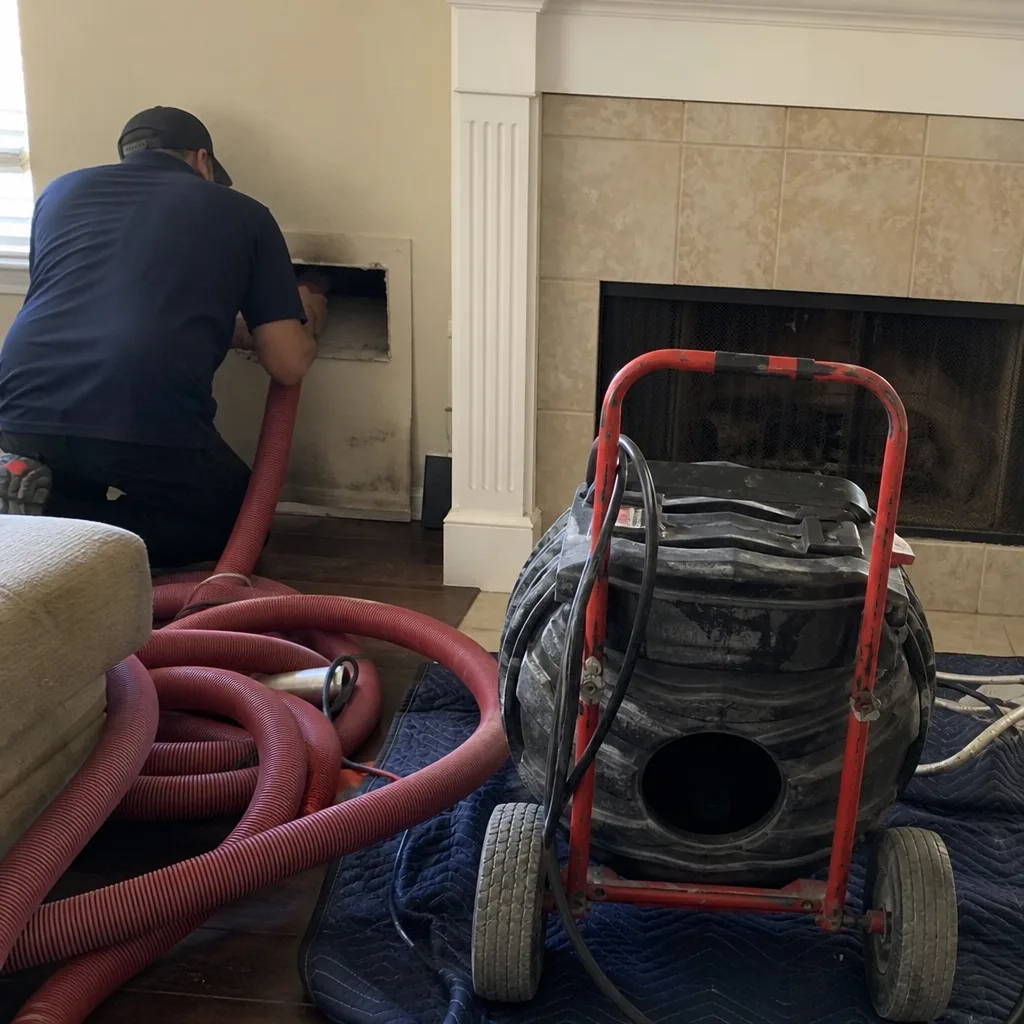 Before
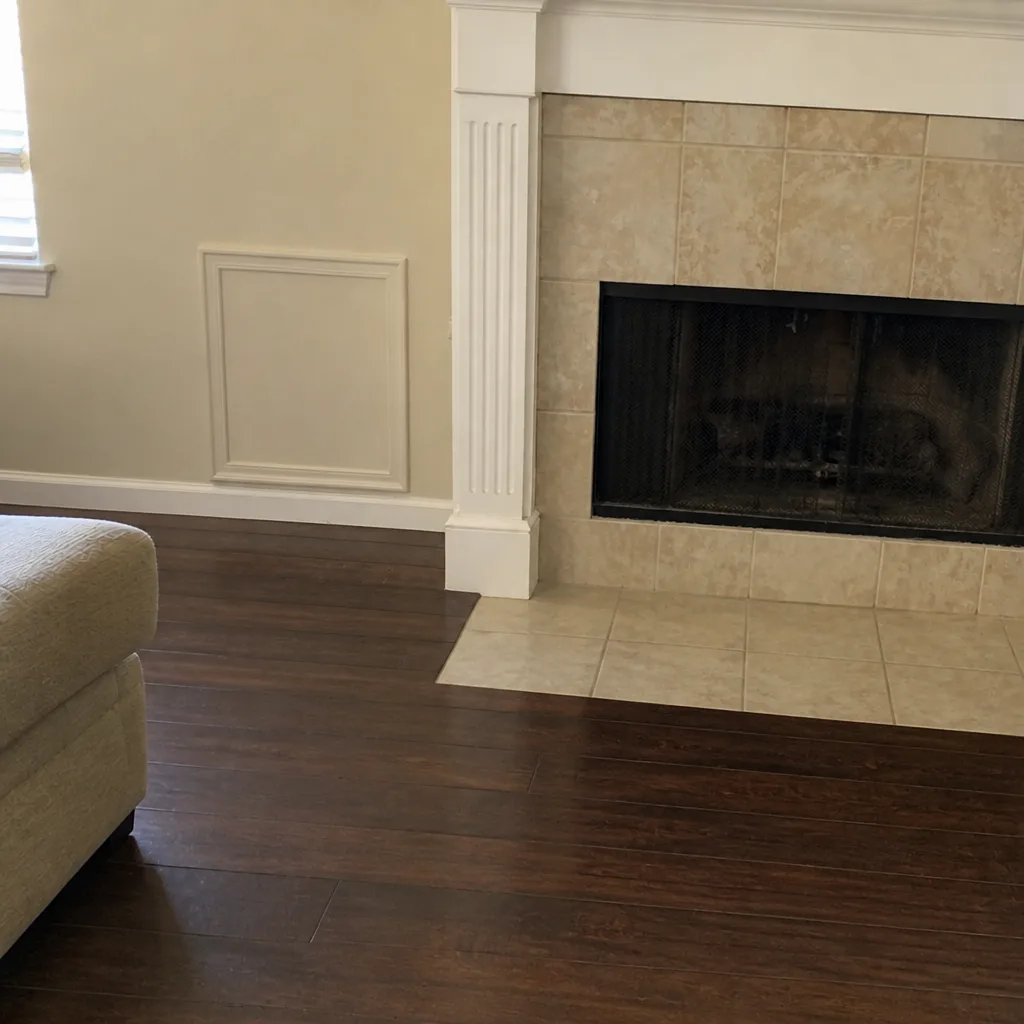 After
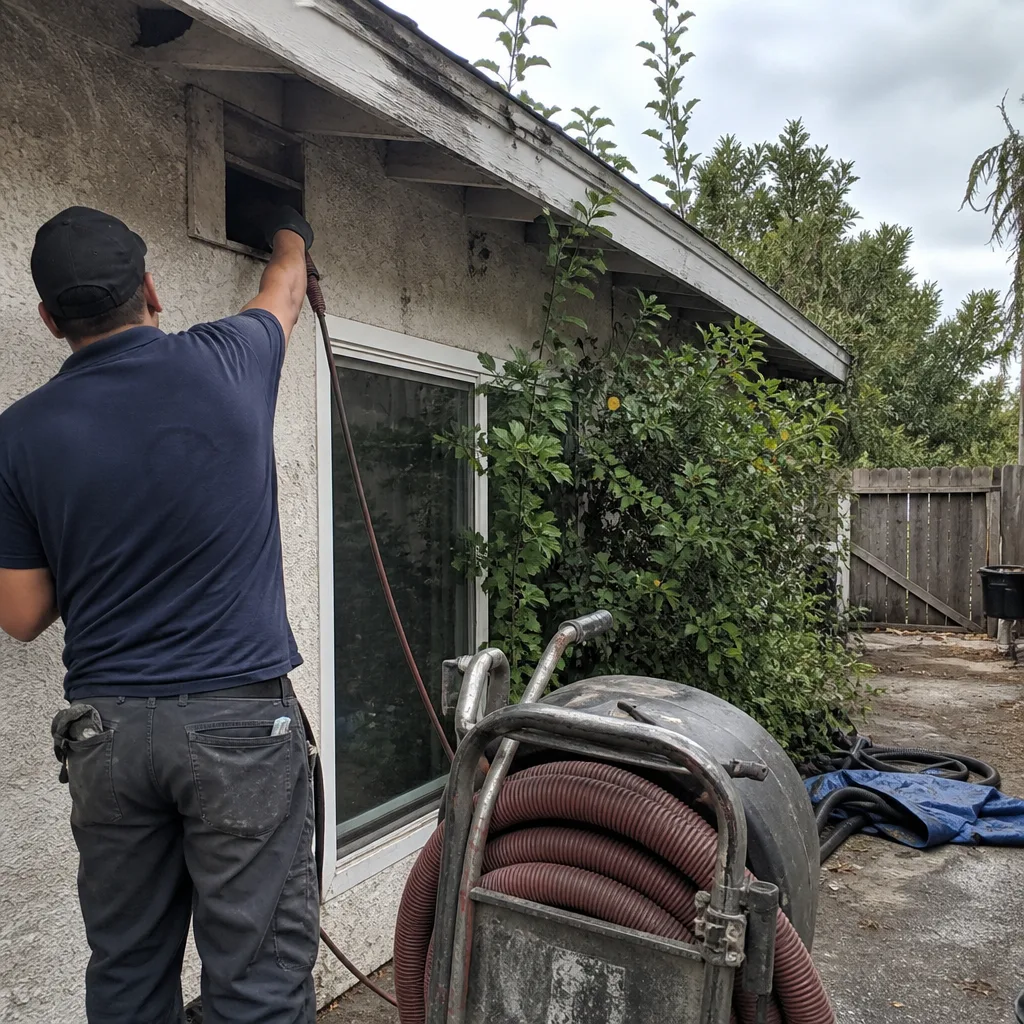 Before
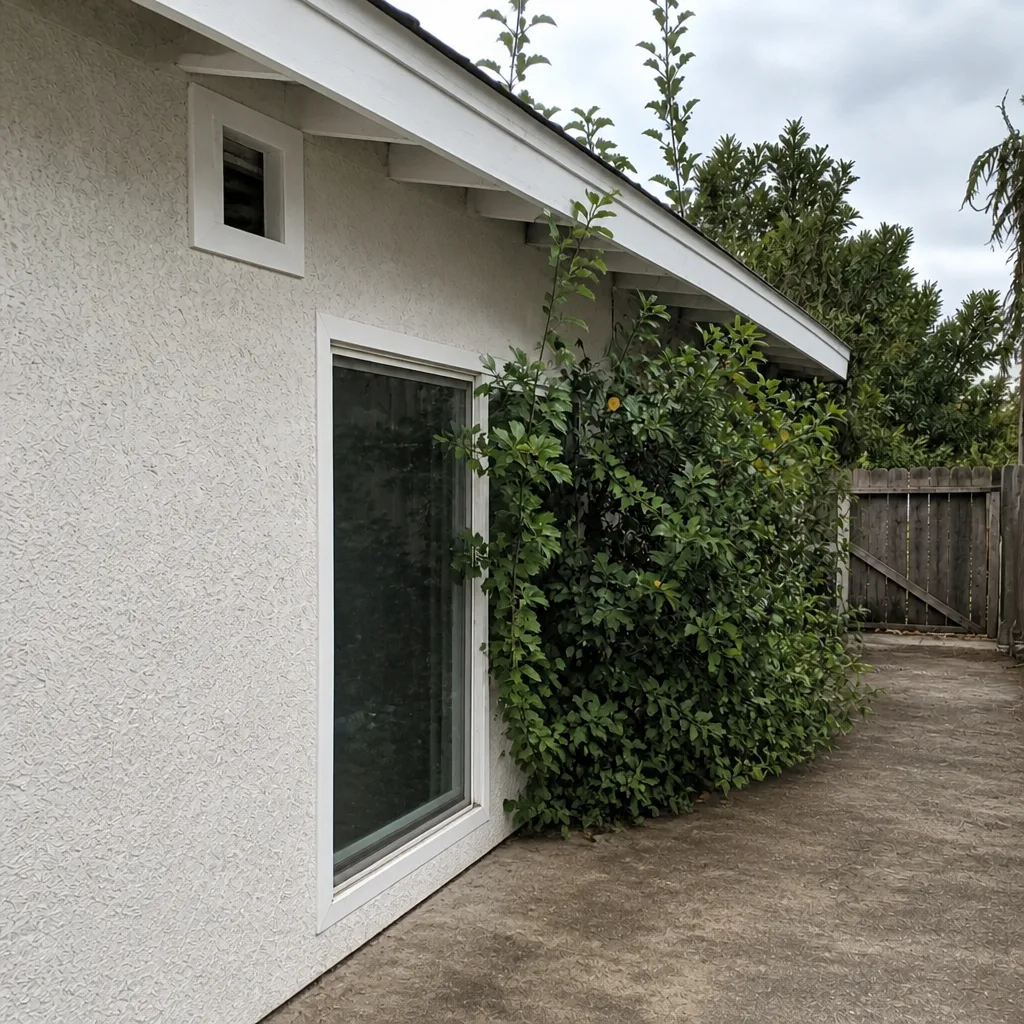 After
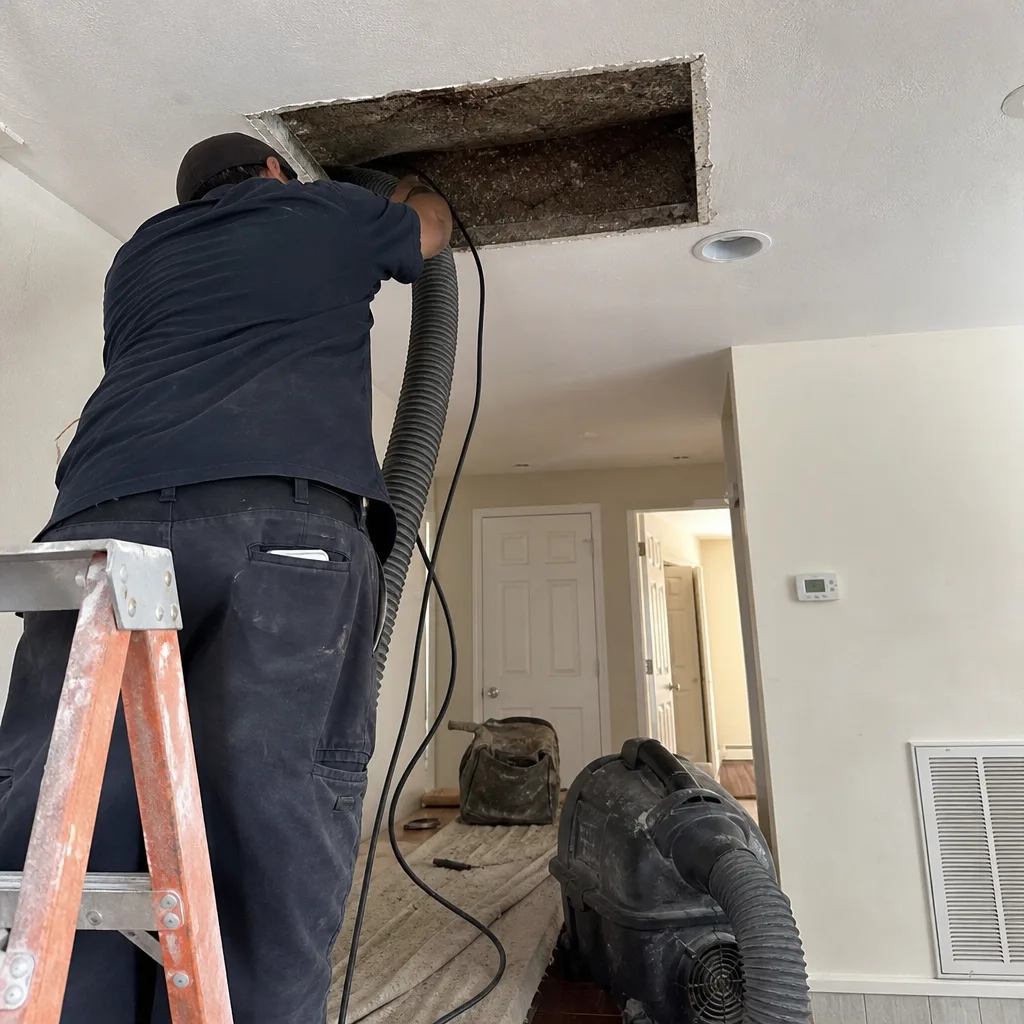 Before
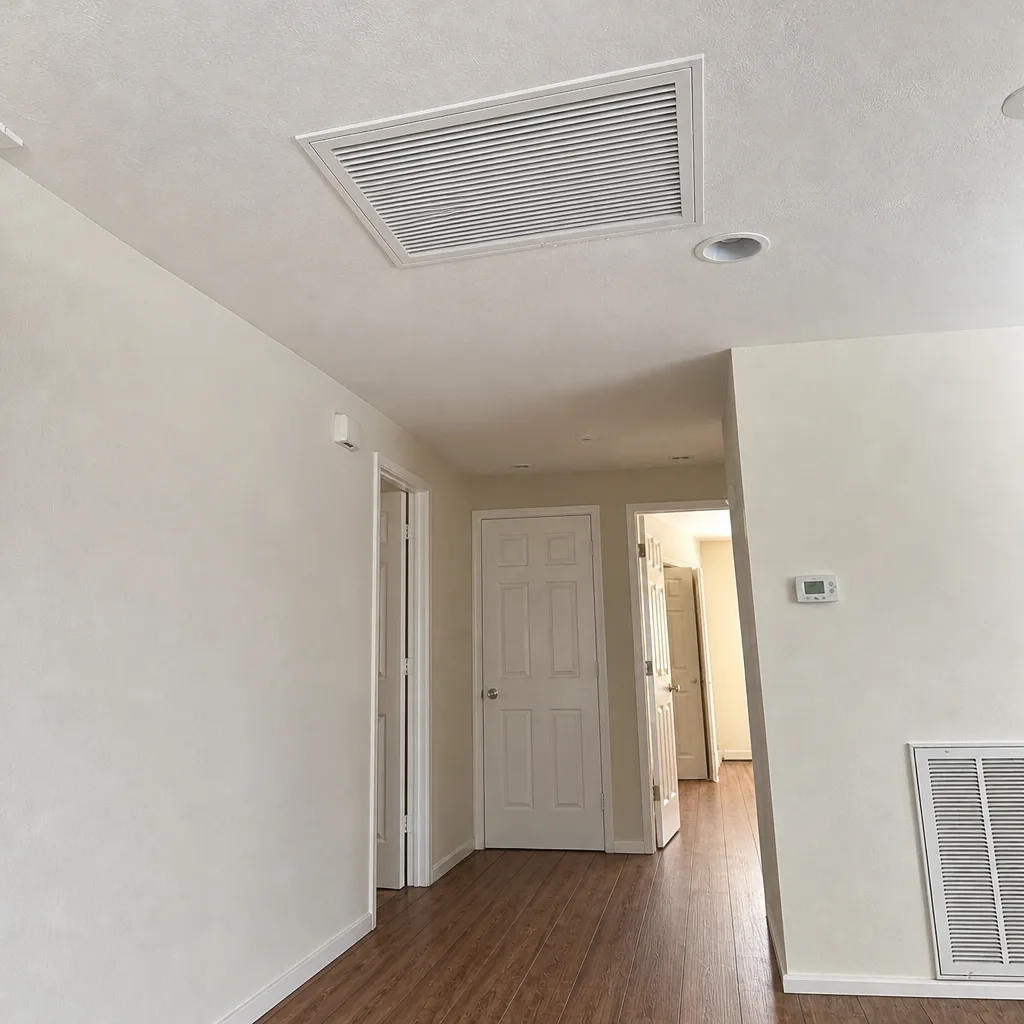 After
When to Call a Professional
Call a professional when you spot the subtle signs together rather than one at a time: a room that won’t cool plus a climbing summer bill, a dust streak at a register boot, a dirt ring around the filter frame that keeps coming back, or any chemical or burning smell that persists. A single musty whiff on startup might be weather. Three of these at once is a pattern. If any of it is a burning or chemical smell, or you find a dryer vent clogged with lint, don’t wait. For a free estimate in Placentia, call Placentia Air Duct Cleaning Pros at (866) 937-8913. We answer 24/7, fast dispatch runs 7am to 7pm, Sunday through Friday, and the written estimate sets the price before any work starts.
Frequently Asked Questions
Cleaning addresses accumulated dust and debris; repair addresses leaks, disconnects, and physical damage. If your only symptom is dirt at a register or a musty smell, cleaning may be enough. If you see dust streaks at the boot, uneven room temperatures, or a climbing bill, you likely have a sealing or repair issue that cleaning alone won’t solve. A professional inspection separates the two, and at Placentia Air Duct Cleaning Pros we do cleaning, repair, and sealing in one visit. Call (866) 937-8913 for a free estimate.
A dirty filter has dust across its whole face, which is normal. Dirt bypass means dust is collecting around the filter’s edges, on the frame, or on the duct behind it, which means unfiltered air is slipping past the filter. The first is routine maintenance; the second is a leak indicator. If the dirt extends beyond the filter’s footprint, it’s worth an inspection. Call (866) 937-8913.
In most Placentia tract homes, uneven rooms point to a leak or a disconnected branch duct rather than an undersized air conditioner. Air escapes into the attic or garage before it reaches the room, or a run has come loose at the boot. A pressure check with your hand at each register can give you a quick read, and a professional assessment can pinpoint the leak. Call (866) 937-8913 for a free estimate.
A burning smell when the heat comes on is the same-day call. It can point to debris near the heating element or a failing component, and it is not a wait-and-see situation. Turn the system off and call for service. Musty smells point to moisture and can usually be scheduled, and chemical smells should prompt a call to find the source. Call (866) 937-8913.
Prices vary by system size and condition, and the written estimate sets the final price. Some low quotes are low because they skip the leak assessment, the HVAC cleaning, and the equipment that captures debris, which means the problem returns and you pay again. At Placentia Air Duct Cleaning Pros we use professional-grade Rotobrush and Nikro equipment and give you one clear price for the job before work begins. Call (866) 937-8913 for a free estimate.
There’s no single rule, but most systems benefit from an inspection every year or two, with cleaning when signs of buildup, leakage, or odor appear. Homes with pets, recent remodeling, or repeated musty smells usually need it more often. The right answer depends on your system’s condition, not a fixed schedule. Call (866) 937-8913 and we’ll take a look.
The Bottom Line
The warning signs that matter most in a Placentia home are the early, quiet ones: dirt bypass at the filter frame, a room that never cools, a leaking register boot, a musty or chemical smell, a climbing summer bill. Those show up 6 to 18 months before a system failure or a visible dust cloud, and catching them is what turns a repair-and-seal job into a full-system expense. Read your home’s patterns, do the simple checks, and call when several signs stack up. Whether it’s cleaning, repair, sealing, sanitizing, or a dryer vent, we handle it in one visit with equipment HVAC professionals trust. For a free estimate in Placentia, call Placentia Air Duct Cleaning Pros at (866) 937-8913. We answer 24/7. Fast dispatch from 7am to 7pm, Sunday through Friday.
Written by the team at Placentia Air Duct Cleaning Pros.