
Last updated November 23, 2026
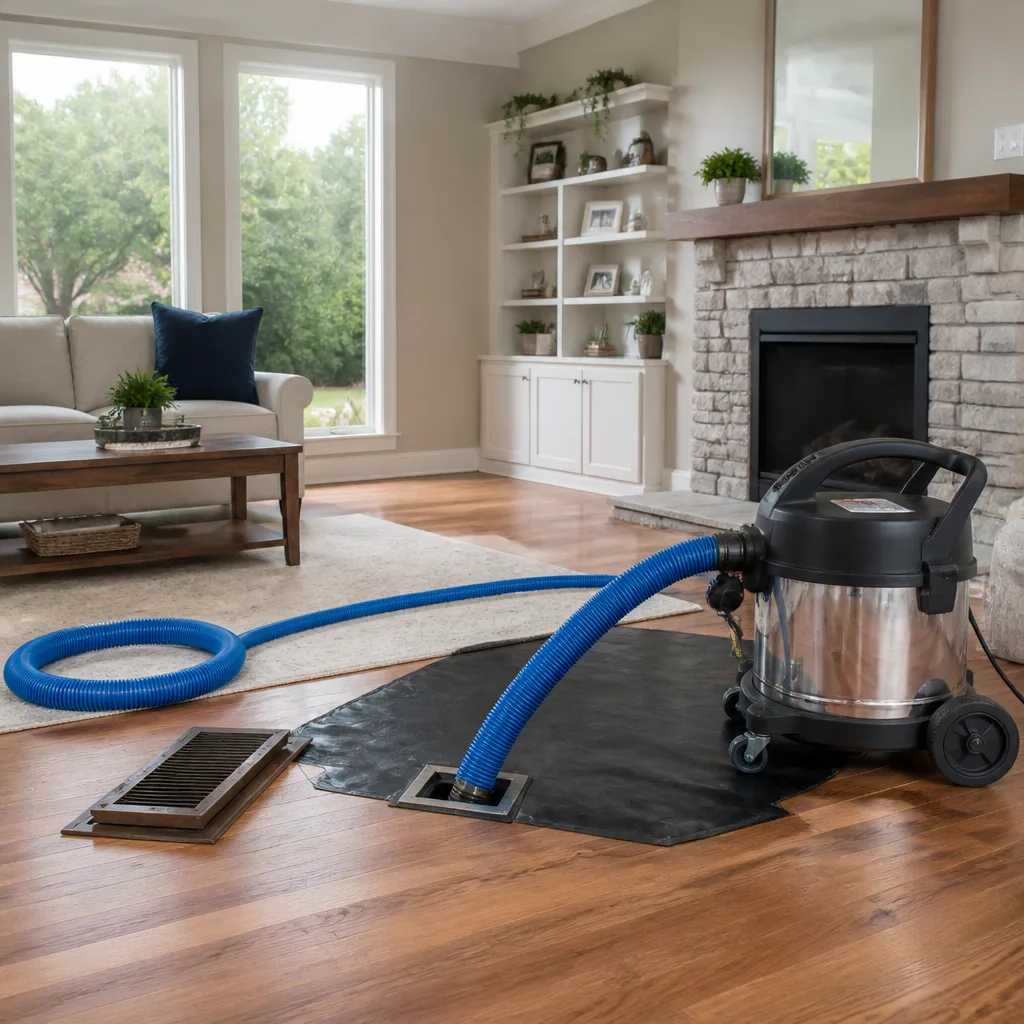 Whole-home duct cleaning
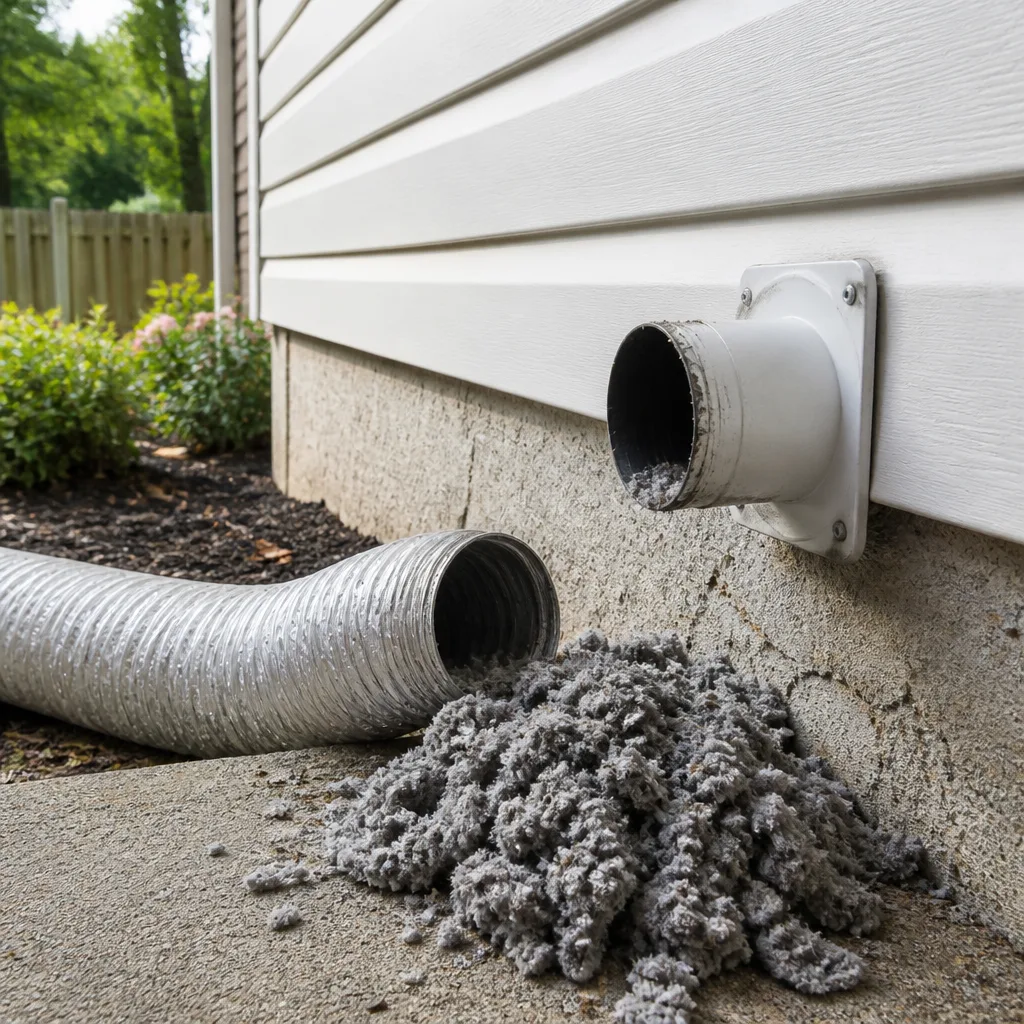 Dryer vent cleaning
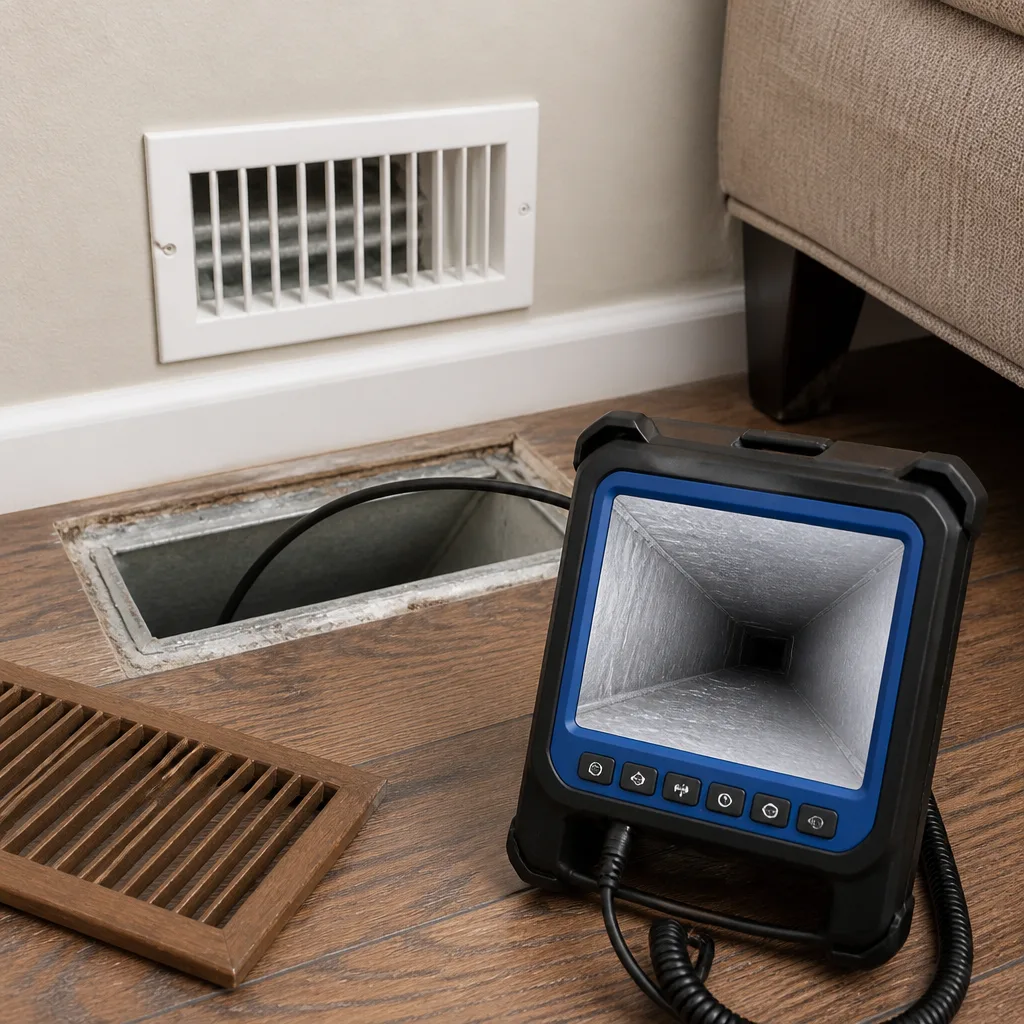 Camera inspection
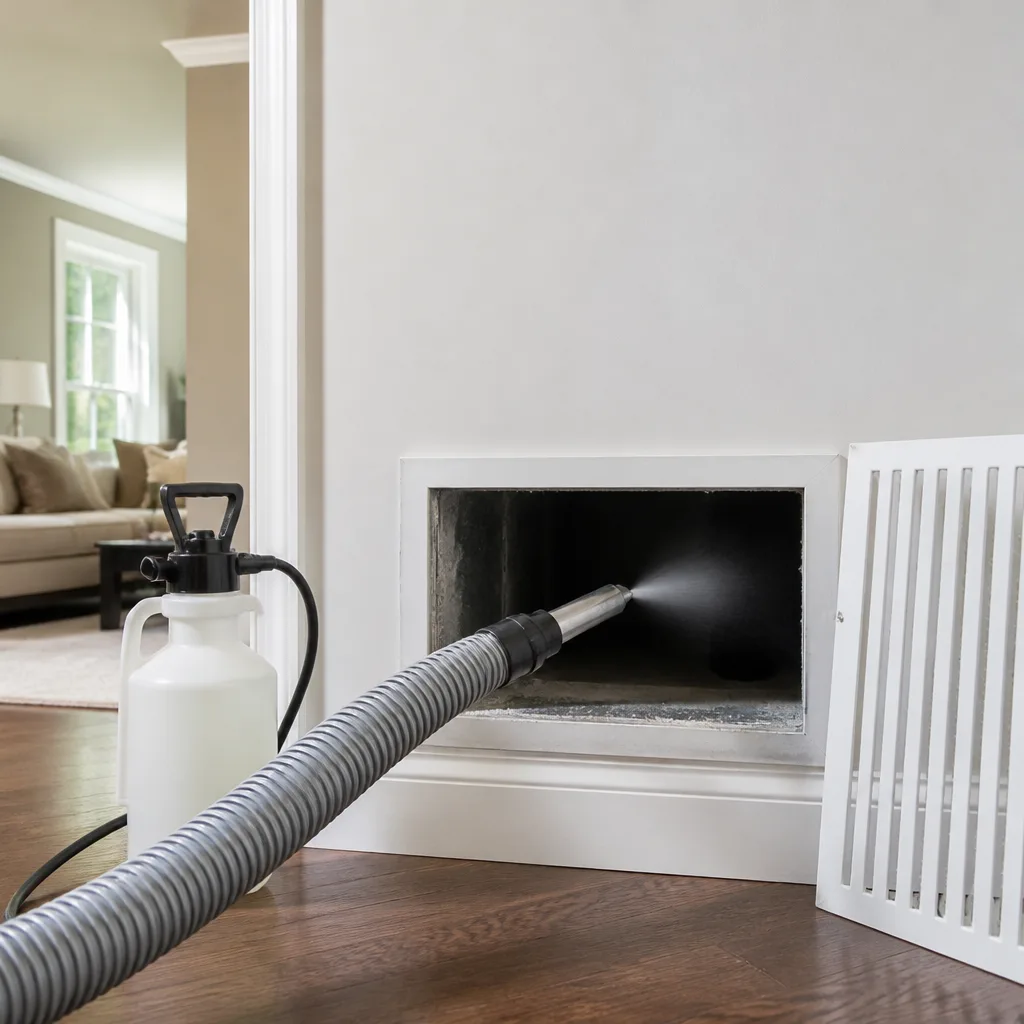 Sanitizing & deodorizing
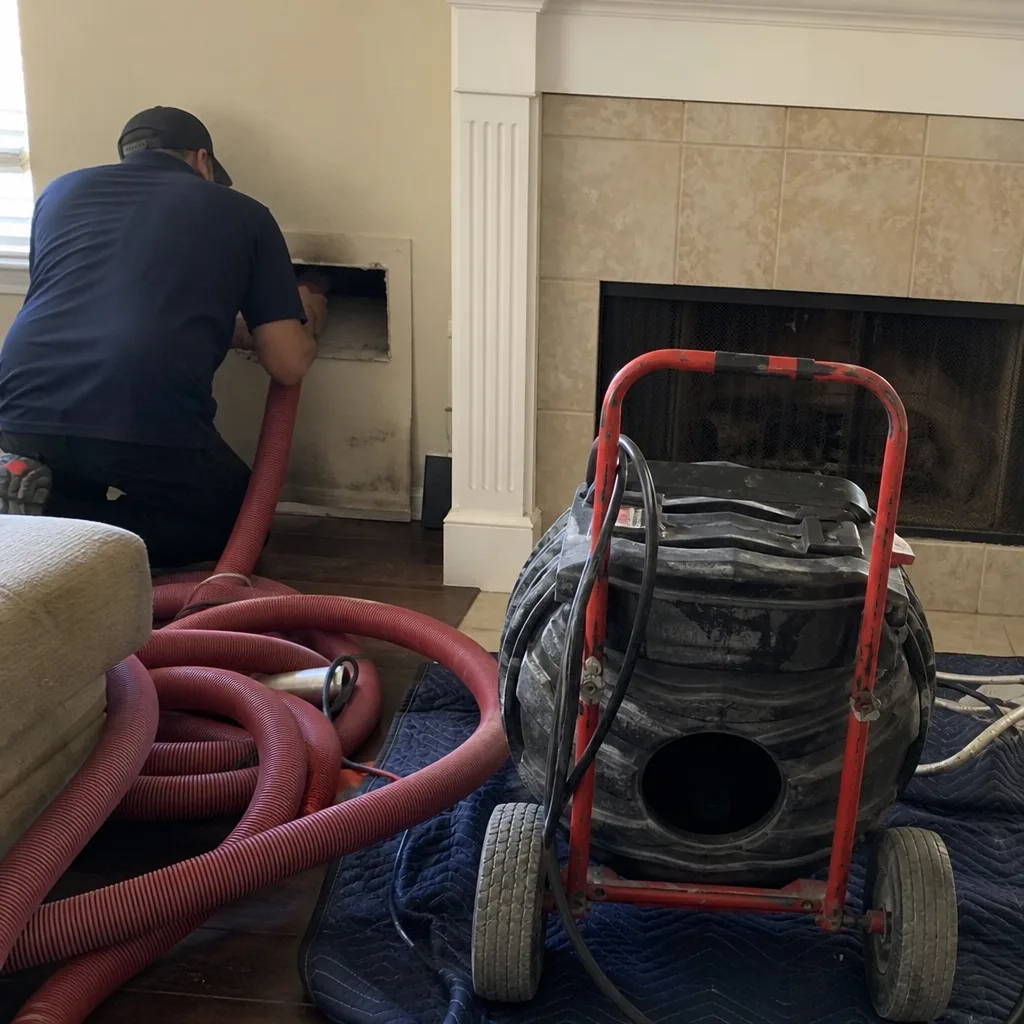
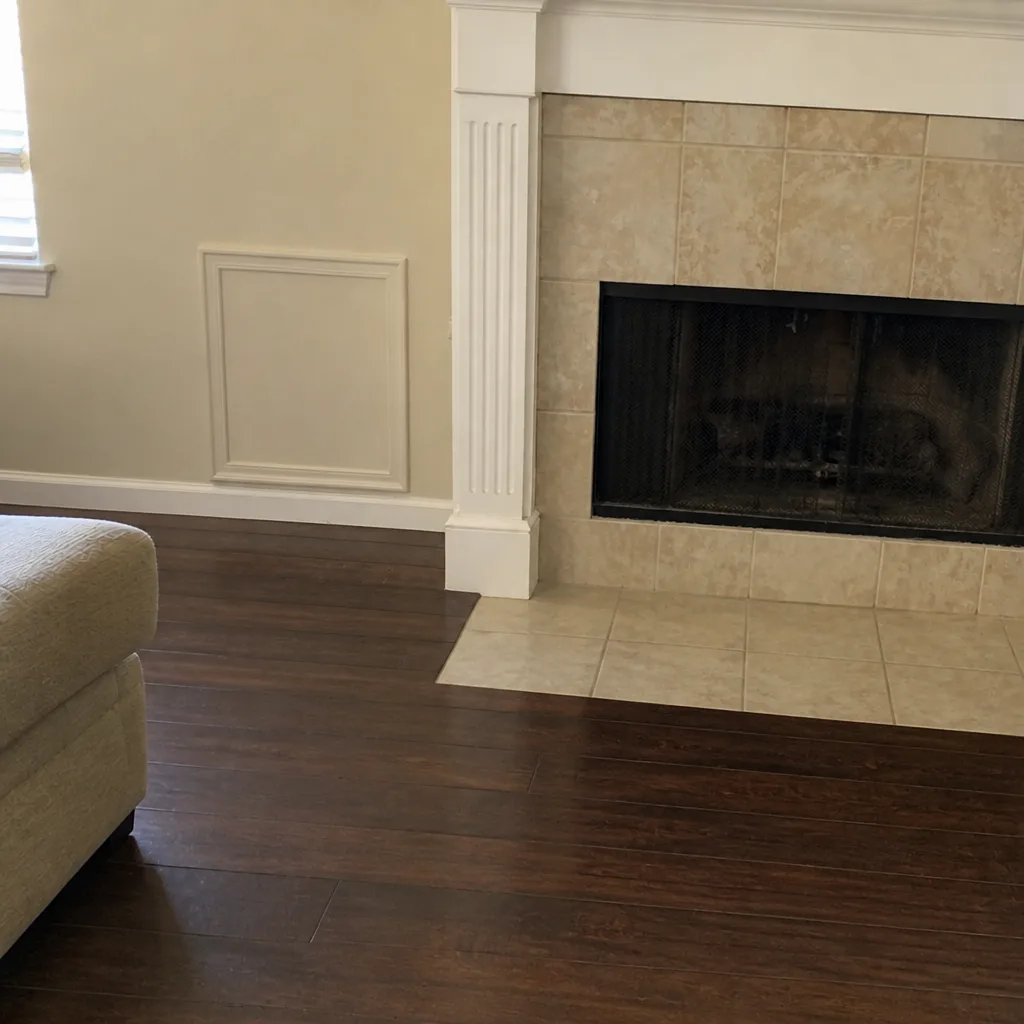
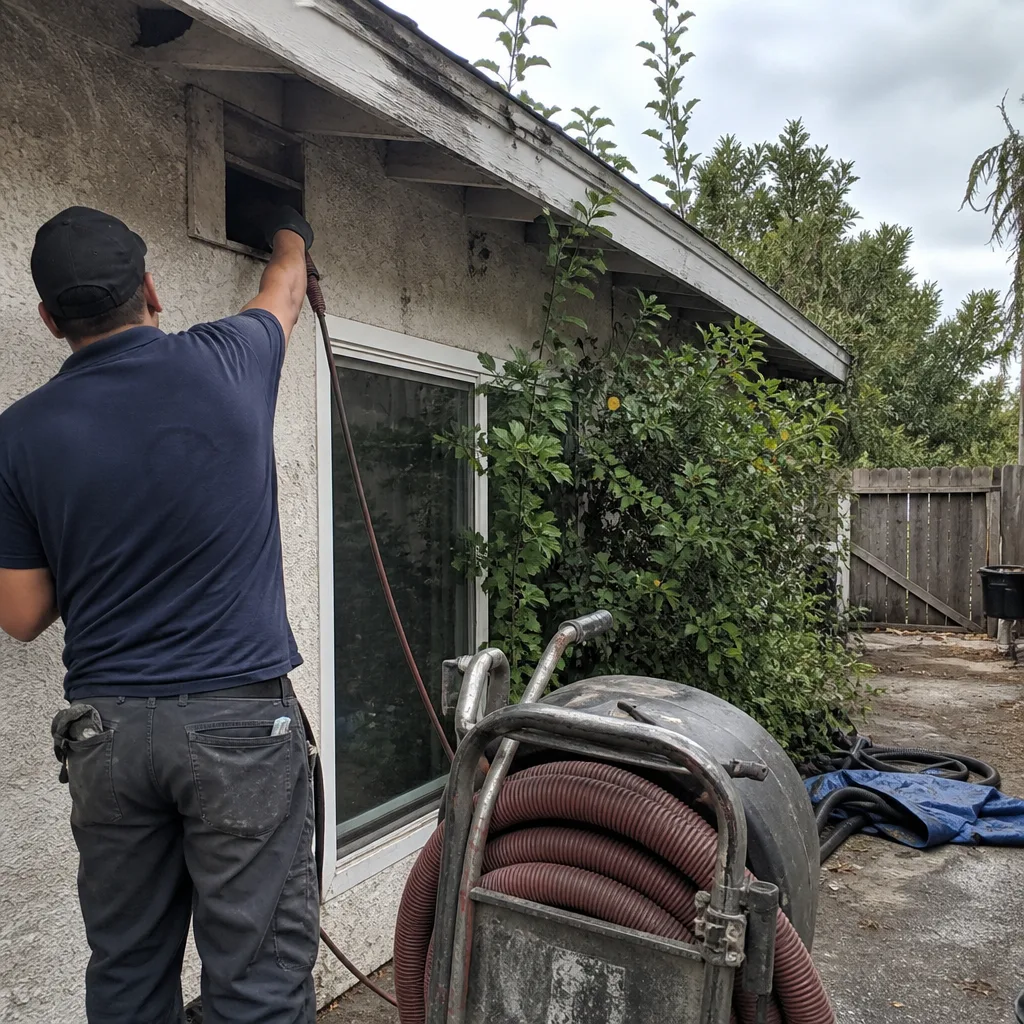
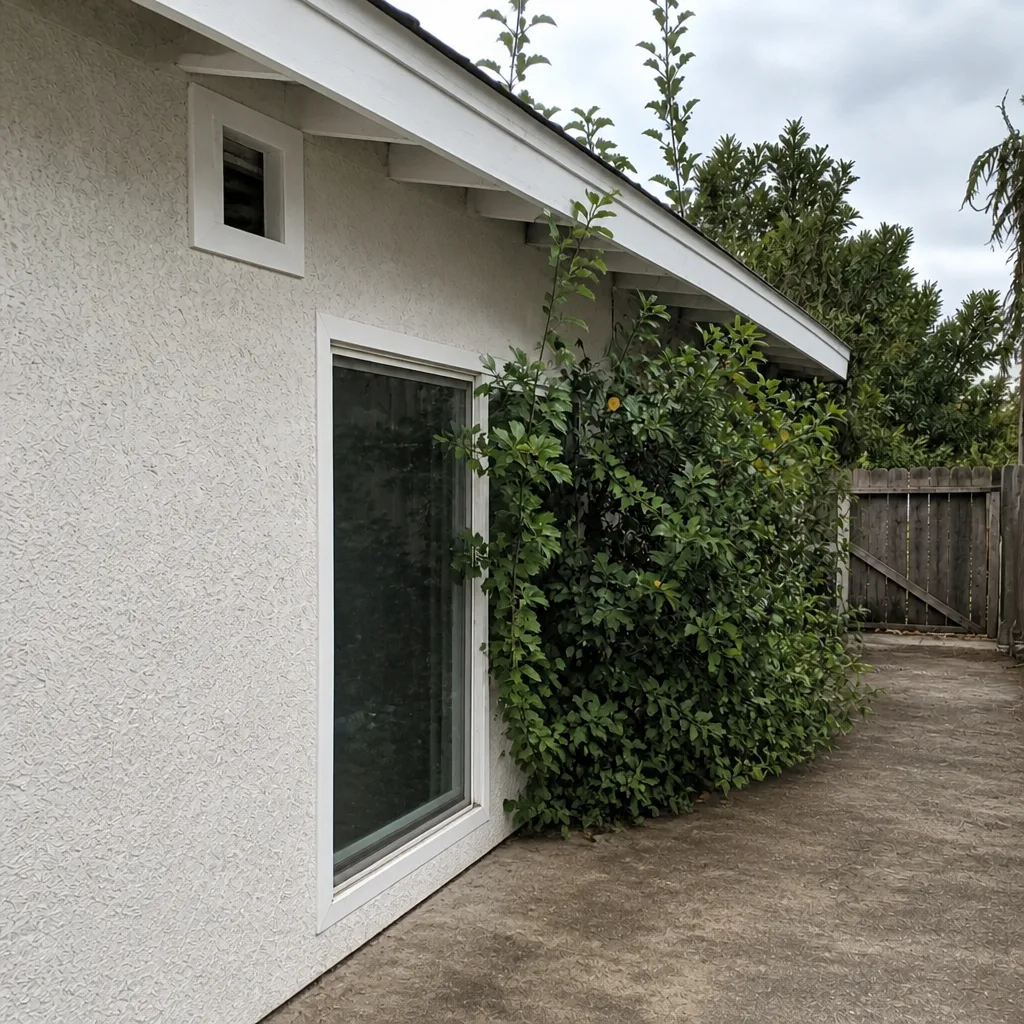
Whole-system duct and dryer vent check with before-and-after photos - you see exactly what came out of your vents
That "$99 whole-house special" is a bait ad - the real number appears once they are in your hallway, or the "clean" is a shop-vac at the register. We photograph the inside of your ducts before and after instead.
DIY vs Professional Air Duct Cleaning: The Placentia Homeowner’s Decision Guide
Most homeowners who look up “DIY air duct cleaning” assume the job is a matter of effort. Buy the kit, rent the machine, spend a weekend doing what the pros do for less money. The reality is that duct cleaning is a physics problem before it’s a labor problem. A home improvement store kit and a shop vac pull roughly 1 to 2 inches of water column of suction. The professional source-removal equipment we use runs 8 to 12 inches or more, and that gap is the difference between moving debris around and pulling it out. This guide explains what DIY can actually accomplish in a Placentia home, where it goes wrong, and how to decide which route fits your system.
Quick Answer
DIY air duct cleaning can handle surface-level maintenance like register cleaning, filter changes, and vacuuming return grilles, but it cannot replicate professional source removal. Consumer equipment lacks the negative pressure needed to dislodge settled contamination from an entire duct system at once, so most DIY attempts redistribute debris rather than remove it. If your ducts are lightly loaded and recently serviced, homeowner upkeep is genuinely useful; if there’s visible debris, musty odor, or uneven airflow, a professional assessment is the practical choice.
Styles & brands we work with
- Whole-home duct cleaning
- Dryer vent cleaning
- Camera inspection
- Sanitizing & deodorizing
Table of Contents
- Why Duct Cleaning Is an Equipment Problem, Not a Skill Problem
- Understanding Negative Pressure and the NADCA Source Removal Standard
- What You Can Legitimately Do Yourself (and What It Achieves)
- Where DIY Makes Things Worse
- The Honest Cost-Benefit Math for a Placentia Home
- How to Tell a Previous DIY Attempt Left a Harder Job
- Side-by-Side: DIY vs Professional Equipment and Outcomes
- A Step-by-Step Way to Decide
Why Duct Cleaning Is an Equipment Problem, Not a Skill Problem
The single most common misconception about duct cleaning is that it’s about scrubbing. People picture a brush working its way through the ducts while a shop vac follows along. In practice, the brush is just the tool that disturbs contamination; the vacuum is the system that removes it. If the vacuum can’t generate enough negative pressure, everything the brush touches goes into the air inside your home or settles back into the ducts.
This is why professional source removal is described as a system-level job rather than a component-level one. You need a high-capacity vacuum pulling from a single connection point, a compressed-air whip or rotary brush agitating each branch, and negative air containment so the dislodged material has nowhere to go except the collection system. All three elements have to be working at the same time. Consumer gear can sometimes manage one of the three. Rarely two. Almost never all three.
At our Placentia jobs we run professional equipment like Rotobrush and Nikro units, which generate the suction levels commercial HVAC contractors depend on, paired with Abatement Technologies negative-air filtration to capture what gets dislodged. That combination isn’t a marketing choice; it’s what the physical job requires. A shop vac and a hose does not make a smaller version of the same thing. It makes a different thing.
The practical implication for any Placentia homeowner weighing DIY is this: skill doesn’t close the gap. Even a homeowner who does everything correctly with consumer tools will still leave most of the contamination behind, because the tools themselves aren’t built for the job.
Understanding Negative Pressure and the NADCA Source Removal Standard
Negative pressure sounds technical but the concept is simple. When you place the interior of a duct system under negative pressure relative to the surrounding rooms, every opening in the system – registers, returns, and the brush ports your technician works from – pulls air inward. Debris that gets knocked loose travels with that inward airflow toward the collection point instead of escaping into living space. Source removal depends on the entire duct system being under negative pressure simultaneously, not one branch at a time.
Achieving that requires knowing where every register is, sealing every opening you’re not actively cleaning, and connecting a vacuum capable of pulling enough air to overcome the natural leakage of an older duct system. In a Placentia home – especially mid-century neighborhoods where original ductwork has been sealed and resealed – that leakage can be significant. A vacuum with just a bit more suction than a shop vac can’t compensate for the leakage; it gets overwhelmed.
Test your intuition on this: place a shop vac hose in a return grille and turn it on. You’ll feel suction at that grille. Walk to a far register and hold a tissue near it. In most homes, the tissue doesn’t move, because the vacuum’s total airflow budget was spent at the connection point. That’s the failure mode in miniature. Professional equipment is engineered to air-seal the system at a single port and then pressurize the whole network, which is why a technician spends 20 minutes setting up before touching a single brush.
- Source removal means pulling contamination out of the system rather than circulating it into rooms.
- Negative pressure means every opening pulls inward at once, not just the one you’re working on.
- Contact vacuuming means the cleaning head is touching the surface it’s agitating, not blowing air at it from a distance.
- Containment means dislodged debris has exactly one path – into the collection system, not into your hallway.
All four of those definitions come from established industry guidance, and each one has a consumer-equipment equivalent that gets partway there. Partway is the problem. Partial source removal is often worse than no cleaning at all, because the disturbance moves contamination that was dormant.
What You Can Legitimately Do Yourself (and What It Achieves)
DIY duct maintenance has real value when it’s aimed at the right tasks. Grille cleaning, filter work, and visual check-ins genuinely help indoor air quality and make the eventual professional cleaning easier. Here’s what we recommend Placentia homeowners handle on their own.
- Replace your HVAC filters on schedule. This is the highest-value DIY task by a wide margin. A loaded filter restricts airflow, raises energy bills, and dumps bypass dust back into the coil. Match the filter to your system’s rated MERV and change it on the manufacturer’s interval, not on a fixed calendar.
- Vacuum your return grilles. The slotted grille on a return is the first surface contamination meets. A brush attachment on a household vacuum removes surface dust and keeps the grille from shedding into the duct itself. Takes five minutes and makes a visible difference.
- Wipe supply register faces. Warm air from a supply carries fine dust that lands on the register face and nearby walls. Cleaning those surfaces is entirely a homeowner job.
- Do visual inspections with a phone camera. Remove a register, point your phone’s camera down the branch, and record. This won’t let you clean the duct, but it gives you a record of condition over time and flags obvious problems – pest intrusion, moisture staining, disconnected joints – before they get expensive.
- Keep the area around your outdoor condenser clear. Not a duct task, but it protects the whole system and keeps airflow efficient.
- Check and clean your dryer vent screen. Every load. The screen is a homeowner responsibility; the vent line behind the dryer is the professional job.
What these tasks achieve: they slow the rate at which ducts load up, they keep surface dust down, and they give you evidence for a proper evaluation when you do need one. What they don’t achieve: they don’t remove contamination from inside the duct run itself. Grille cleaning is a surface task; duct cleaning is a whole-system one.
For context, routine professional air duct cleaning addresses the interior of every branch and trunk, not just the openings. Filter changes plus grille cleaning plus a professional cleaning on an appropriate interval is the maintenance schedule most Placentia homes actually need.
Where DIY Makes Things Worse
The risk profile of DIY duct cleaning isn’t “you’ll hurt yourself” – the more common outcome is “you’ll make the next professional visit longer and more expensive.” Three specific failure modes come up repeatedly in our work around Placentia.
Disturbing settled mold spores. When duct surfaces are damp from high indoor humidity, biological growth can settle into a dormant state. A rotary brush or high-velocity air blast hitting that surface sends the spores into the airstream. Without containment, they end up on furniture, in carpets, and in the HVAC system itself. Professional cleaning addresses this with containment filtration running from the start, before any disturbance.
Pushing debris into flex duct liners. Flexible duct has a corrugated interior liner that traps debris at each ridge. Consumer brushes frequently push material further into the fold rather than lifting it out. Once contamination is pressed into the liner wall, only a professional rotary whip operated at the right speed and airflow removes it.
Damaging fiberboard duct walls. Some older Placentia homes have internally-lined ductwork where the duct wall itself is a soft fiberboard. A stiff brush pushed by an over-revved drill can scuff or tear that wall, creating a leak that then has to be sealed. Duct repair and sealing is a fixable problem, but it’s a problem that didn’t exist before the DIY attempt.
There’s also a general point about air quality: the moment you disturb settled contamination in a closed system without containment, you’re trading a long-term, low-grade dust problem for a short-term, high-concentration exposure. For allergy sufferers and anyone with respiratory sensitivity, that trade is a bad one.
Finally, we’ve seen dryer vents treated as a DIY project far too often. Dryer vents are a fire hazard, not a minor chore – the lint that builds up inside the vent line is highly combustible. A household vacuum can’t generate the airflow needed to clear a vent line, and the consumer kits sold for the purpose frequently leave a compressed lint plug at the first elbow. Professional dryer vent cleaning is a completely different operation from duct cleaning, and the safety stakes are higher.
The Honest Cost-Benefit Math for a Placentia Home
Here’s where we’re intentionally honest about when DIY makes sense. Professional duct cleaning has real cost, and it isn’t worth scheduling for every system on every calendar. The calculation depends on how loaded the system actually is. A Placentia home that was professionally cleaned a couple of years ago, has been running good filters, and hasn’t had moisture intrusion is probably fine with DIY upkeep for a while. A Placentia home with visible debris in the branches, musty odor in the supply air, uneven airflow between rooms, or a recent renovation or pest issue needs professional work sooner rather than later.
The variable that most homeowners miss: not all duct cleaning jobs cost the same, and getting the right scope the first time is cheaper than getting the wrong scope twice. A professional reassessment after a DIY attempt often costs more than a professional cleaning would have cost originally, because the technician now has to contend with displaced debris, disturbed liner, or a compromised duct wall. So the question isn’t “DIY or pro” as a general principle. It’s “does the specific condition of my Placentia system call for whole-system source removal right now, or would homeowner maintenance plus a routine inspection be adequate?”
That’s a question worth asking on a phone call rather than guessing. We give free estimates, and if a system genuinely doesn’t need professional work yet, we’ll say so. In our experience, honest scoping builds more repeat customers than upselling every call.
If you already know you’re ready for professional service, call Placentia Air Duct Cleaning Pros at (866) 937-8913 for a free estimate. We answer 24/7. Fast dispatch from 7am to 7pm, Sunday through Friday.
How to Tell a Previous DIY Attempt Left a Harder Job
If a prior owner or you personally tried a store-bought kit, some specific indicators will tell a technician what happened before the current visit. Knowing these helps you describe the situation accurately when you call, and it helps you understand why a quote might be higher than expected.
- Contamination clustered on one side of the duct. This is the classic signature of a vacuum attached at one register – debris got pushed toward the second half of the run and settled there.
- Visible brush scrape marks. Circular scuffs on the interior of the duct wall near a register typically indicate a consumer brush pushed by a drill running at the wrong speed.
- Loose or missing register screws. DIY kits involve removing registers, and screws don’t always go back in. A missing screw is a small leak but also a hint that someone’s been inside.
- Debris accumulation at flex duct joints. If a flexible branch shows a sudden concentration of dust right at the first corrugation or fitting, the DIY attempt likely stopped there.
- Disconnected joints near the supply trunk. Poorly re-seated duct tape or a loose friction joint often indicates a branch was disturbed, either deliberately or by vacuum pressure.
- Recurring musty odor shortly after cleaning. When a surface was disturbed but not actually cleaned, the disturbance outpaces the removal, and the smell returns within weeks.
When we identify these signs during a visit, the cleaning scope usually expands slightly – more aggressive rotary work on the affected branches, closer attention to the joints, and re-sealing where the ductwork was disturbed. It’s not a big deal, but it’s worth knowing that a DIY attempt often shifts a routine job into something a bit more involved.
The good news: HVAC cleaning plus duct cleaning plus duct repair and sealing can typically handle the aftermath in a single visit. We clean it, repair it, and seal it in one stop.
Side-by-Side: DIY vs Professional Equipment and Outcomes
The clearest way to make the decision is to see the equipment and outcome comparison side by side. The table below reflects what a consumer kit achieves versus what professional source-removal equipment achieves on a typical Placentia home.
| Capability | Consumer DIY Kit / Shop Vac | Professional Source Removal |
|---|---|---|
| Suction capacity | Roughly 1 – 2 inches of water column | 8 – 12 inches of water column or more (Rotobrush, Nikro) |
| System-wide negative pressure | Single-point suction only | Whole duct system under negative pressure at once |
| Containment / filtration | None (dust escapes into rooms) | Abatement Technologies negative-air capture at the source |
| Branch interior cleaning | Limited; often pushes debris deeper | Rotary whip and compressed-air tools reach full branch length |
| HVAC coil and blower cleaning | Not addressed | Included in HVAC cleaning scope |
| Repair and sealing of disturbed joints | Not addressed | Handled during the same visit |
| Post-cleaning sanitizing | Not viable | Honeywell and Aprilaire integration for air quality upgrades |
| Documented results | Homeowner observation only | Before-and-after photographs of your own system |
The table isn’t making an argument that DIY is worthless – it’s showing that DIY and professional duct cleaning are doing genuinely different jobs. One is surface maintenance. The other is source removal. Placentia homes need both, in different proportions, depending on the state of their system.
A Step-by-Step Way to Decide
Rather than a general rule about DIY vs professional, use this sequence to figure out what your specific Placentia home needs. It takes ten minutes and saves you from making either kind of mistake: overpaying for a cleaning you didn’t need, or doing damage with a DIY attempt.
- Look at a supply register. Remove one supply register and shine a phone flashlight into the branch. If you see only light surface dust, your system is likely a DIY-upkeep candidate. If you see visible debris, clumps, staining, or pest evidence, it’s a professional job.
- Smell the supply air. Stand beside a supply register on a normal running cycle. A musty or stale odor that’s stronger from the register than from the room itself suggests contamination inside the system rather than on surfaces.
- Check the return grille every month. If it’s visibly loading up within four weeks of cleaning, there’s a lot of material in the system trying to circulate.
- Note any uneven airflow. A room that’s consistently colder or warmer than the rest of the house, with no other cause, often points to a partially blocked branch or a disconnected duct. Neither is a DIY fix.
- Confirm the last professional cleaning date if possible. Ask a previous owner, check disclosure documents, or look for tags inside the air handler. Recent professional cleaning plus good filter habits shifts the math toward DIY upkeep.
- Check the dryer vent, too. Even if ducts are fine, dryer vents load up steadily and DIY kits often miss the blockages. If you can’t remember the last time it was professionally cleaned, add it to the call.
- Call for an estimate. Most of the decision comes down to a fifteen-minute conversation with a technician who can look at what you’re seeing. That call is free and it’s the fastest way to know which side of the line your system is on.
Common Mistakes to Avoid
- Renting a shop vac and calling it duct cleaning. A shop vac has nowhere near the airflow needed for source removal, and running one at a return grille for a few minutes can actually dislodge material it can’t then capture.
- Using a store-bought dryer vent kit on a long or multi-elbow vent run. The auger-style kits work on short, straight runs. Placentia homes with vent runs over the 15-foot mark or with more than one elbow are usually easier for a professional to clean properly, and safer as a fire-prevention measure.
- Disturbing mold-like growth without containment. If you see or smell something biological in a duct, stop. Either hire a professional for the assessment or at minimum get an expert opinion before running any brush or vacuum through it.
- Skipping filter changes during DIY attempts. Homeowners often focus on the ducts and forget the filter, which is the actual air-quality workhorse. New filter, right MERV, changed on schedule – that’s not optional.
- Believing the coupon price is the real price. A low teaser rate for “whole-home duct cleaning” often becomes a much larger invoice once the technician is inside. Ask for a flat price per system, agreed before any work starts, and for before-and-after photos of your own ducts.
- Assuming “duct cleaning” includes the whole system. Duct cleaning, HVAC cleaning, duct repair and sealing, air quality sanitizing, and dryer vent cleaning are five distinct tasks. Skipping the HVAC coil and blower during a duct cleaning means the contamination source stays put.
- Ignoring the dryer vent because the ducts seem fine. Lint accumulation is one of the leading causes of residential dryer fires, and it’s completely independent of duct condition. Check it, clean it, and if you can’t verify the last cleaning, schedule it.
See the difference
 Before
 After
 Before
 After
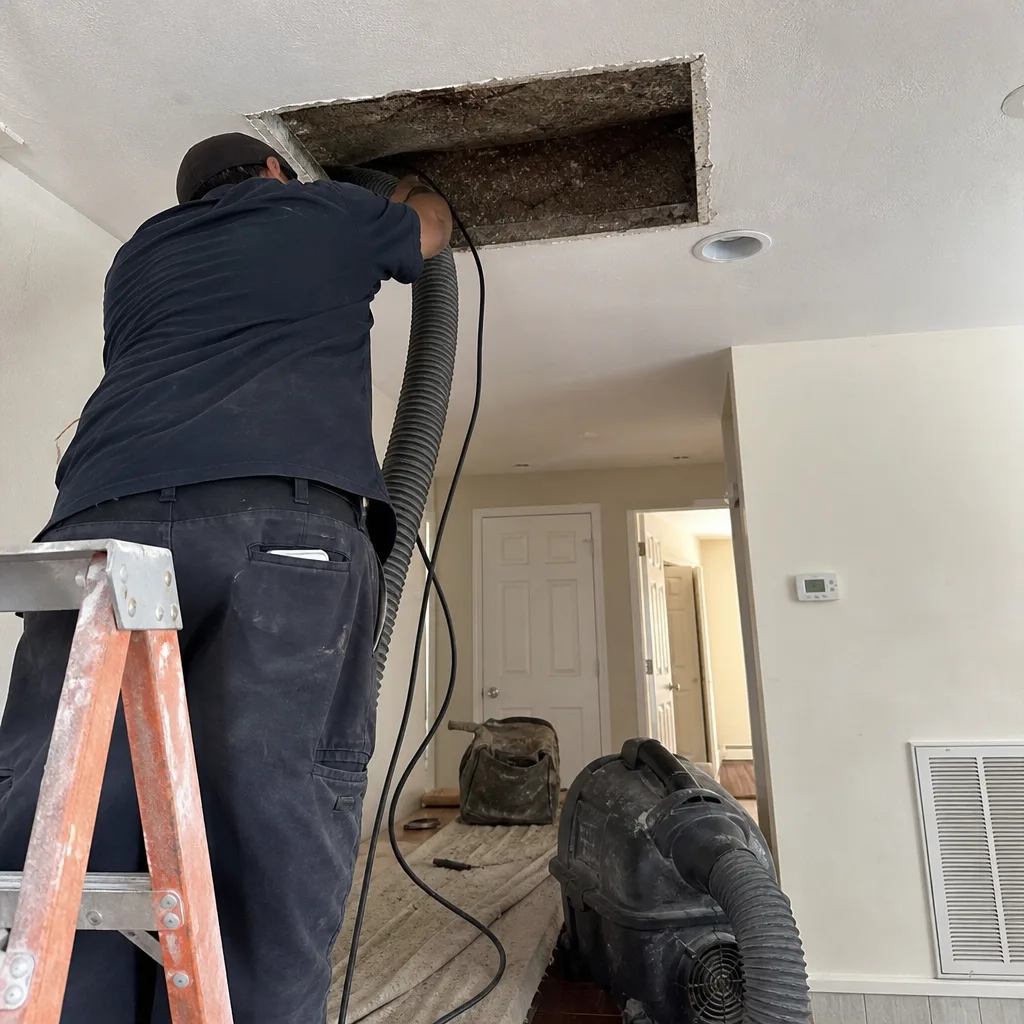 Before
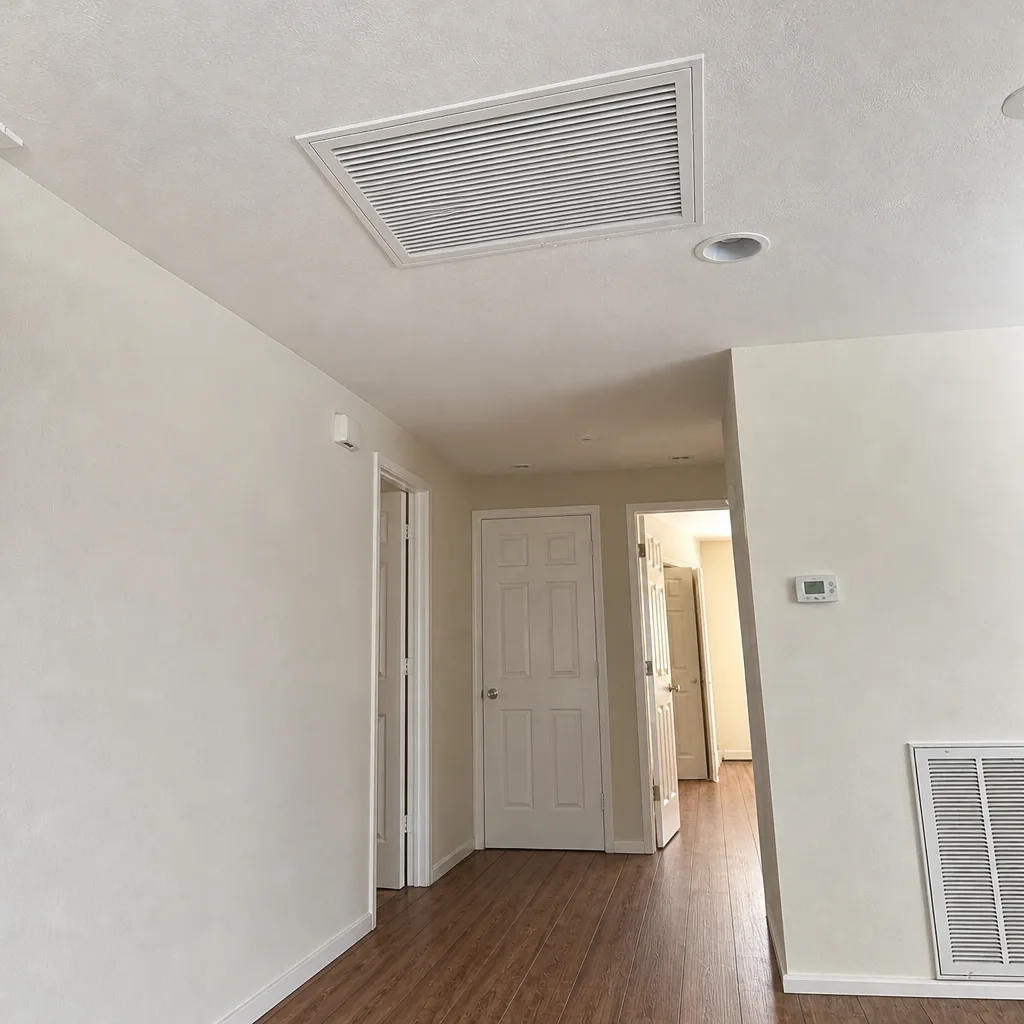 After
When to Call a Professional
Call a professional if any of the following apply: you see visible debris, mold, or pest evidence in the ducts; there’s a persistent musty odor from supply registers; airflow is uneven across rooms for no obvious reason; your system was cleaned more than a few years ago and hasn’t been on a filter schedule; your dryer vent hasn’t been professionally cleaned in memory; or a prior DIY attempt left you with a system that feels worse than when you started. Any of those is a sign that source removal, containment, and probably duct repair and sealing belong on the same visit rather than deferred. Placentia Air Duct Cleaning Pros offers free estimates in Placentia. Call (866) 937-8913. We answer 24/7. Fast dispatch from 7am to 7pm, Sunday through Friday.
Frequently Asked Questions
Professional air duct cleaning is priced per job based on the size of the system, its condition, and the scope of work – not as a flat rate or per-vent price. A written estimate before work starts is how the final cost is set, and that estimate is free. Call (866) 937-8913 for an exact quote – estimates are free.
Cheap quotes usually reflect a smaller scope than what the job needs: single point vacuum, no containment, no HVAC coil cleaning, no branch-by-branch brushing, no before-and-after documentation. Sometimes they simply don’t include the equipment needed for source removal. Ask what equipment is being used, whether the whole system will be under negative pressure, and whether you’ll get photos of your own ducts. Call (866) 937-8913 for a scoped estimate.
Ask for before-and-after photographs of your own ductwork – not stock images or generic labels. A professional crew records the interior of branches before and after cleaning so you can see the difference. Combined with a flat price agreed before work starts and no per-vent add-on pricing, that documentation is how you verify the work was real. Call (866) 937-8913 for details on how we document each visit.
Most homes need duct cleaning every few years, not annually, and not on a fixed calendar. Homes with pets, recent renovation dust, moisture issues, allergy sufferers, or a heavy filter load may need it more often; homes already on a good filter schedule can go longer. Grille and filter maintenance in between is what extends the interval. Call (866) 937-8913 for a free estimate if it’s been a while.
Yes, in specific ways: stiff brushes can scuff fiberboard duct walls, over-revved drills can damage flex duct liners, and disturbed contamination without containment can spread into living space. These aren’t life-threatening risks but they make the next professional visit longer and more expensive. Call (866) 937-8913 to talk through your situation before doing more.
No. Dryer vent cleaning addresses a separate vent line and is a fire-prevention service, not an air-quality service. The two are frequently done on the same visit but with entirely different tools and procedures. If you can’t remember when your dryer vent was last cleaned, that alone is a reason to call. Call (866) 937-8913 for a free estimate.
The Bottom Line
DIY air duct cleaning isn’t a bad idea, but it’s a much narrower task than most homeowners expect. Filter changes, grille vacuuming, register wiping, and camera inspections genuinely help, and they slow the rate at which a Placentia system loads up. What they can’t do is remove settled contamination from inside the ducts, because consumer equipment cannot generate the negative pressure or the containment needed for source removal. When the indications in this guide suggest the system needs professional work, that’s an equipment conversation, not a skill one. Get the scope right the first time, ask for a flat price per system agreed before work starts, and ask for photos of your own ducts before and after.
Ready for a free estimate? Call Placentia Air Duct Cleaning Pros at (866) 937-8913. We answer 24/7. Fast dispatch from 7am to 7pm, Sunday through Friday. Our technicians have up to 12 years of experience with professional-grade Rotobrush, Nikro, and Abatement Technologies equipment, and we handle air duct cleaning, dryer vent cleaning, HVAC cleaning, duct repair and sealing, and air quality and sanitizing in one visit so nothing gets handed off.
Written by the team at Placentia Air Duct Cleaning Pros.