
Last updated November 23, 2026
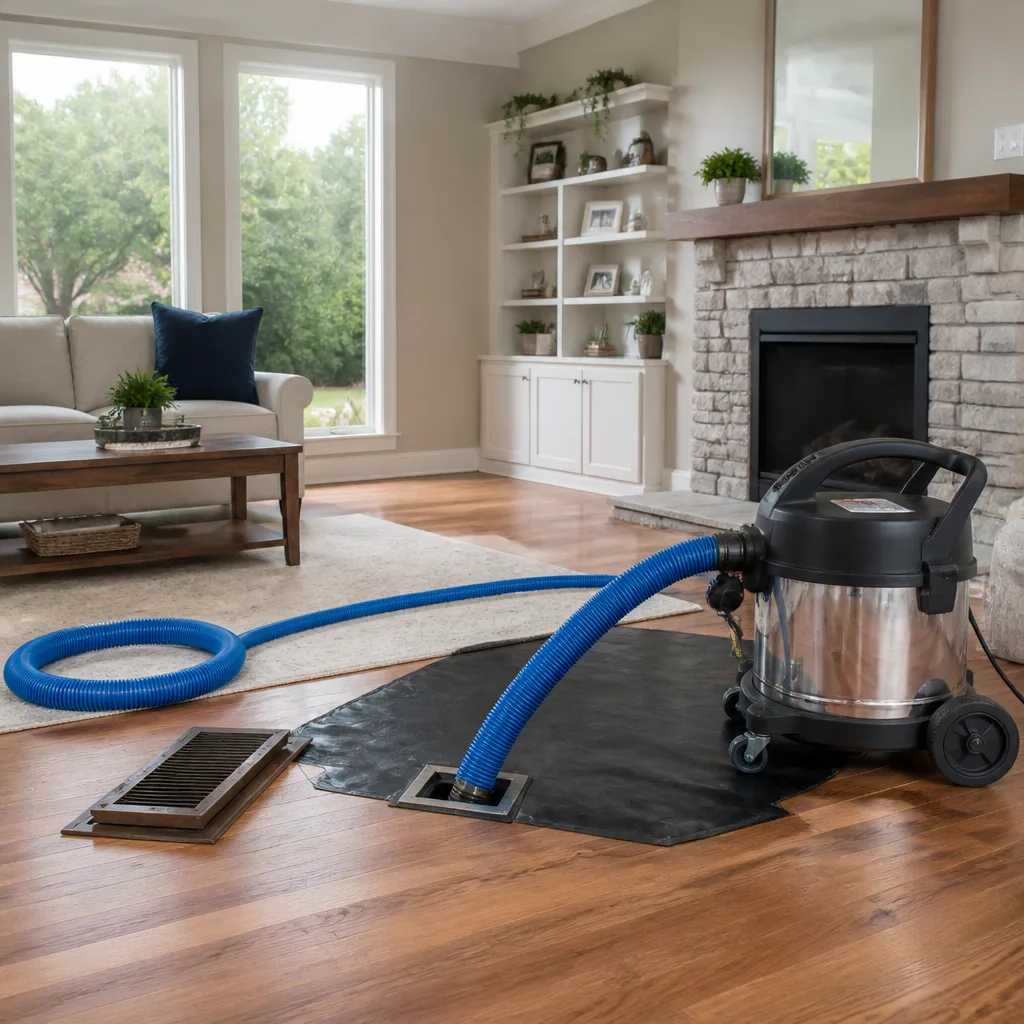 Whole-home duct cleaning
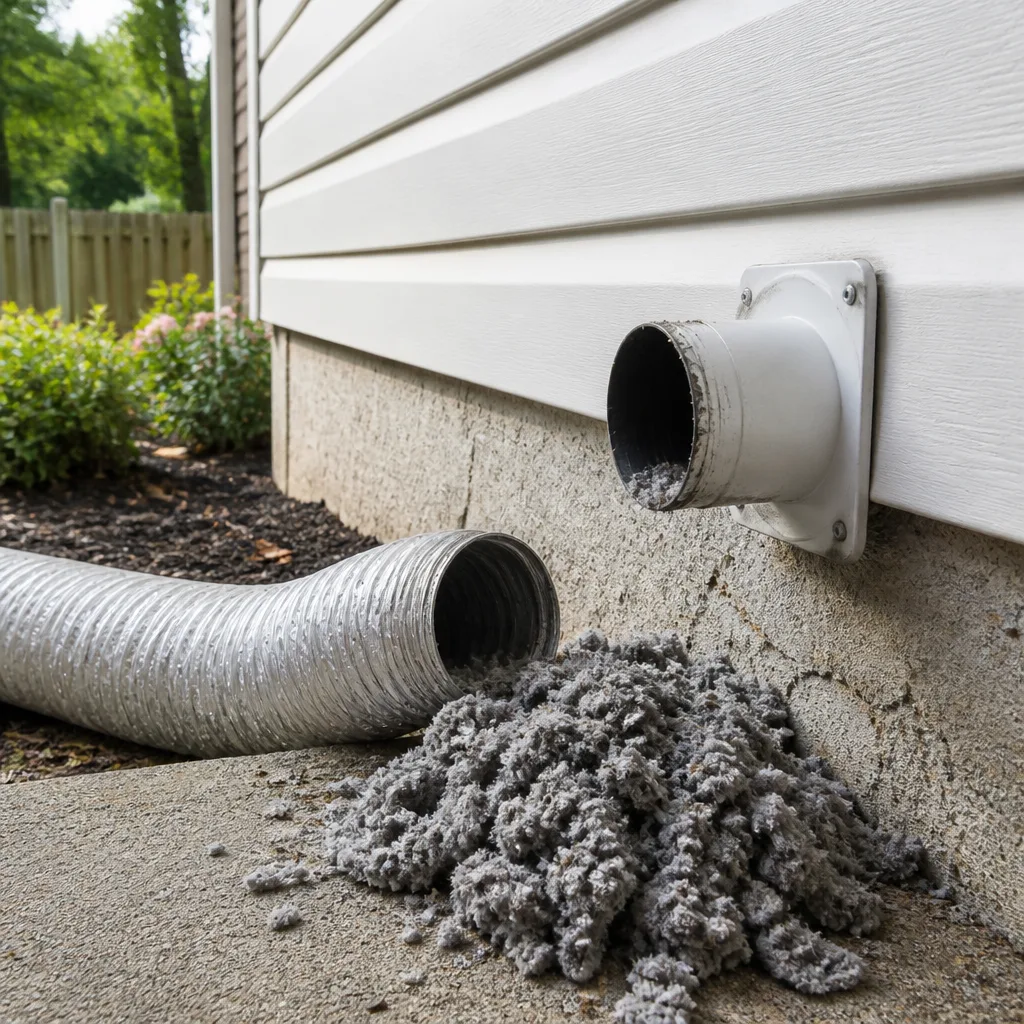 Dryer vent cleaning
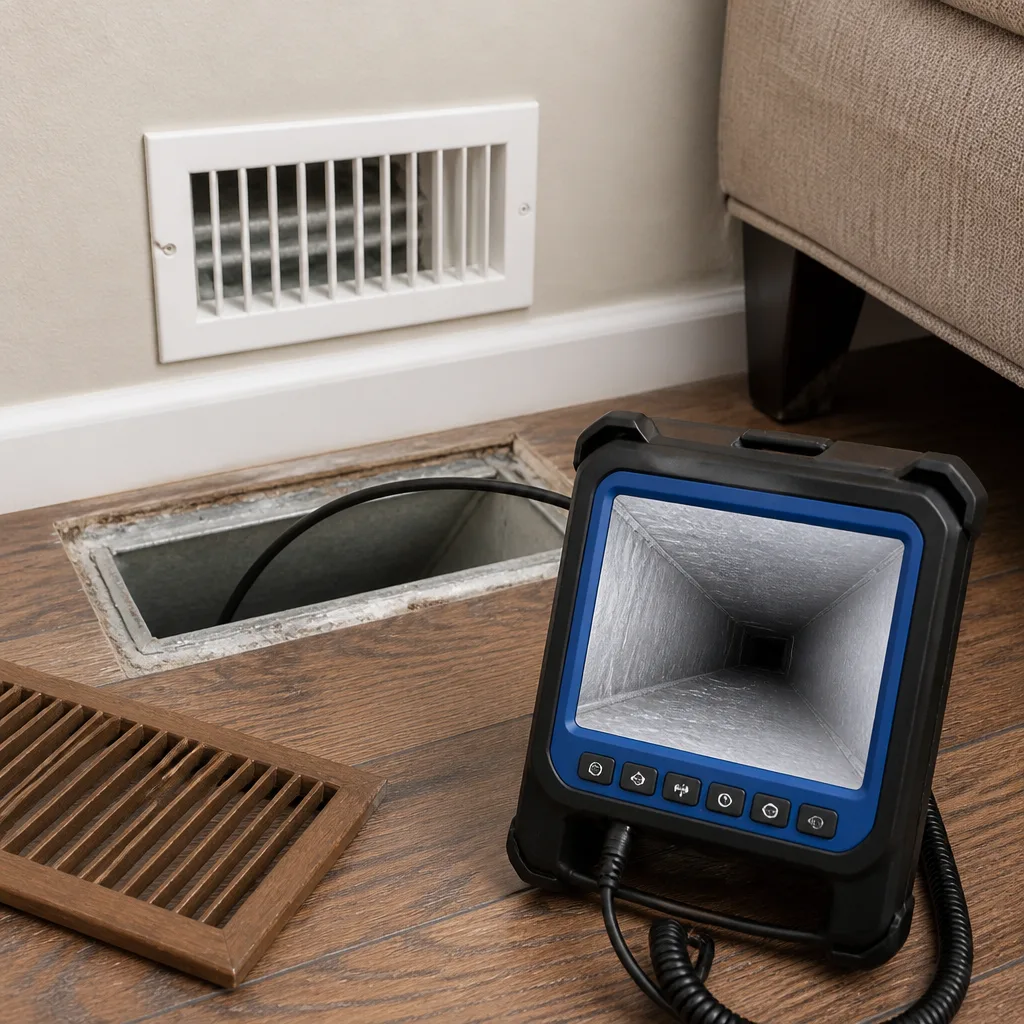 Camera inspection
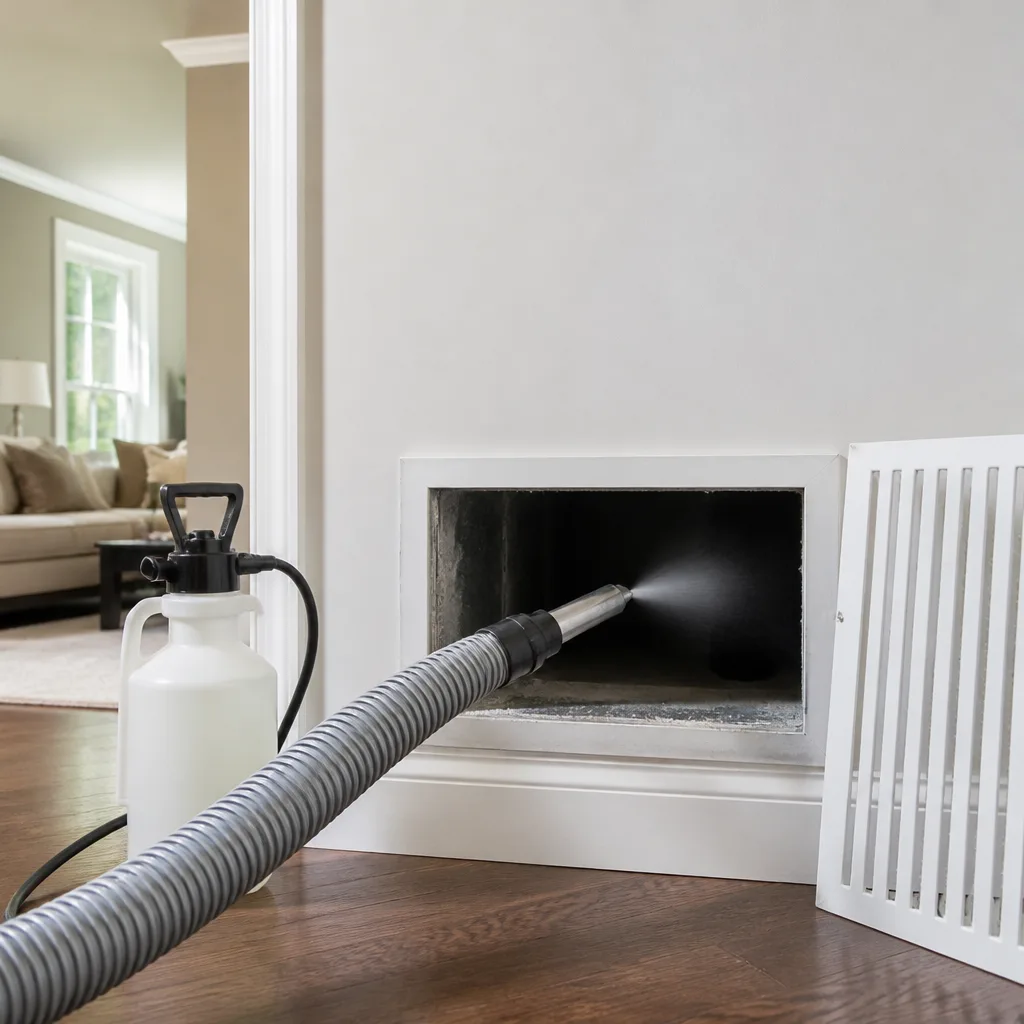 Sanitizing & deodorizing
Whole-system duct and dryer vent check with before-and-after photos - you see exactly what came out of your vents
That "$99 whole-house special" is a bait ad - the real number appears once they are in your hallway, or the "clean" is a shop-vac at the register. We photograph the inside of your ducts before and after instead.
Air Duct Cleaning Emergency Preparedness Guide for Placentia Homes
Most Placentia homeowners think of duct cleaning as routine maintenance, something you get around to when the vents start looking dusty. That’s the wrong frame. Your duct system is the one part of your house that touches every room at once, and when the air outside turns against you, it becomes the weak point in your defense. Here’s the counterintuitive part: outdoor air quality can read “normal” on your phone while the liner inside your flex duct is still holding onto smoke particulate it soaked up weeks earlier. This guide covers the three air quality emergencies most likely to hit a Placentia home and the exact response each one requires, so you’re pre-positioned before you need it, not scrambling after.
Quick Answer
Air duct cleaning after an emergency in Placentia isn’t just a more thorough vacuum. It’s a contamination-specific protocol. Wildfire smoke, water intrusion, and renovation dust each deposit a different type of contamination in your ductwork, and each needs a different response. Wildfire smoke coats duct lining with fine particulate and can leave adsorbed volatile organic compounds (VOCs) behind even after the visible dust is gone, so it requires source-capture cleaning plus sanitizing with a product line like Guardsman. Water intrusion gives you a 48 to 72 hour window to dry and treat wet lining before mold colonization becomes likely. Renovation dust from an unsealed return spread through the whole system in hours and needs negative-air containment during cleaning, not a shop vac and a hose. Get the specific protocol right and you avoid replacing ductwork you didn’t need to replace.
Styles & brands we work with
- Whole-home duct cleaning
- Dryer vent cleaning
- Camera inspection
- Sanitizing & deodorizing
Table of Contents
- The Three Emergency Triggers for Placentia Duct Systems
- Wildfire Smoke Protocol: Shut Down or Run the System?
- Why Surface Cleaning Isn’t Enough After Smoke
- Water Intrusion: The 48 – 72 Hour Window
- Post-Renovation Dust: The Unsealed Return Problem
- How to Pre-Position Your Placentia Home Before Fire Season
- What Documentation to Request for Insurance and Certification
- Common Mistakes to Avoid
- When to Call a Professional
The Three Emergency Triggers for Placentia Duct Systems
Placentia sits in a basin where wildfire smoke from the surrounding ranges can pool and linger for days. Fire seasons in recent years have made that reality hard to ignore. Not every air quality event is an emergency, and knowing which one you’re dealing with determines how much response you need. In our experience, three triggers account for nearly every duct-system emergency Placentia homeowners face.
Trigger 1: Active wildfire smoke with outdoor AQI above 150. When fine particulate concentration climbs into the unhealthy range, your HVAC system becomes both a defense and a liability. Running it with proper filtration pulls smoke out of indoor air. Running it with a clogged or low-grade filter pushes particulate straight into the duct lining. We’ll cover the decision in the next section.
Trigger 2: Water intrusion from a pipe failure or roof leak reaching a duct run. Wet insulation and duct lining are a mold risk from the moment they get soaked. The clock starts the second water reaches the material, not the day you notice a musty smell.
Trigger 3: Post-renovation dust from a remodel with an unsealed return. Ryobi saws, drywall sanding, and demo work put fine gypsum and wood dust into the air. If the return duct isn’t sealed off during construction, the system sucks that dust in and spreads it to every room before the paint is dry.
Each trigger has a different response window. Fire smoke is measured in hours and days after the event. Water is measured in hours. Renovation dust depends on whether you sealed the system before work started. The rest of this guide walks through each one in detail, with the specific steps a professional-grade response includes. If you already know which trigger you’re dealing with and want to talk it through, Placentia Air Duct Cleaning Pros can walk you through the right next step.
Wildfire Smoke Protocol: Shut Down or Run the System?
This is the single fastest decision you’ll make during a smoke event, and it causes more confusion than any other step. The answer depends on your filtration. If your system is running a high-efficiency filter (MERV-13 or better), with a clean fit and no bypass gaps around the frame, keep the system running with the fan on continuous. It’s pulling smoke out of the indoor air and trapping it. If your filtration is a standard 1-inch fiberglass filter that catches pet hair and not much else, running the system during heavy smoke does more harm than good. You’re distributing fine particulate throughout the ductwork and the house.
Here’s the sequence we recommend to Placentia homeowners when smoke rolls in:
- Check the outdoor AQI. Below 100, normal operation is fine. Above 100, close all windows and doors and set the HVAC fan to continuous.
- Verify the filter. If you have a MERV-13 or better, it’s also worth checking that the filter slot is sealed and air isn’t bypassing the filter media around the edges. Bypass is the most common reason a good filter underperforms.
- Above AQI 150, run the system only with the upgraded filter in place. If you don’t have one, shut the system off and use a portable HEPA unit in the bedrooms until the outdoor air improves.
- After the smoke clears, don’t declare victory. Run a baseline check of the duct system. Smoke events leave a residue that surface dusting won’t remove.
One more point about timing. In our experience, homeowners wait weeks after a smoke event to schedule a cleaning because the house “seems fine.” By the time a musty or ash smell shows up in the supply vents, the contamination has had time to settle into the lining and the blower compartment. Getting the inspection on the calendar within days of the event, not weeks, gives you the cleanest recovery. When you decide to schedule, air duct cleaning with source-capture equipment is the right first call, not a hand-vacuum around the registers.
Why Surface Cleaning Isn’t Enough After Smoke
Visible dust in a supply register is the easy part of smoke cleanup. The part most homeowners miss is the contamination they can’t see. Fine smoke particulate is small enough to lodge in the textured inner surface of flex duct lining, and the coating that settles there can continue to release volatile organic compounds into the airstream long after the smoke outside is gone. This is why a straightforward vacuum of the duct run can leave the homeowner with a house that still smells faintly of smoke weeks later.
A post-smoke response that actually addresses the problem has three phases:
- Source capture during cleaning. Abatement Technologies negative-air and filtration equipment runs at the register and the plenum while the duct run is being agitated. Dislodged particulate gets pulled into the filter media before it has a chance to redistribute through the house.
- Mechanical agitation of the entire run. Rotobrush and Nikro systems are built to work the full length of the duct, not just the first few feet off the register. The whips and brushes reach the lining surface where smoke residue actually settles.
- Sanitizing the lining. Once the surface is clean, a sanitizing pass with a product like Guardsman treats the liner itself. This is the step that addresses adsorbed VOCs. Skip it and you’ve cleaned the dust but not the source of the smell.
The blower compartment and the evaporator coil also collect smoke residue, so the response should include HVAC cleaning, not just the duct run. Smoke that coats the coil is smoke you’ll smell every time the system cycles. If your home has a working smoke smell after a fire event, that’s a signal you need the full response, not just a duct pass.
Water Intrusion: The 48 – 72 Hour Window
Water in a duct run is a bigger problem than smoke, because the stakes change after 48 to 72 hours. Wet fiberglass duct liner and wet internal insulation can support mold colonization once that window closes. Before it closes, you’re in remediation territory. After it closes, you’re potentially looking at replacement. The response window is why rapid action matters, and it’s why a homeowner who catches a slab leak or a roof leak early has a real advantage.
Here’s what a remediation-grade response includes, and how it differs from a standard cleaning:
- Stop the water source and document everything. Repair the leak, photograph the affected area, and keep the repair receipts. Your insurance claim needs a paper trail from the beginning.
- Assess which duct runs got wet. A standard cleaning won’t catch this. The technician needs to trace the water path and identify every section of duct and insulation that came into contact with moisture, not just the visible wet spots.
- Dry, then treat. Wet lining needs to be dried with a controlled airflow setup, then treated with a sanitizing product like Aprilaire’s air quality line or Guardsman. Skipping the dry step and going straight to sanitizing traps moisture under the treatment.
- Replace what can’t be dried. Saturated fiberglass liner that’s been wet past the window usually needs replacement. Duct Repair & Sealing in the same visit handles both the damaged section and any leaks the moisture exposed.
Here’s the connection most Placentia homeowners don’t see: water damage and duct leaks travel together. A small leak in a flex duct connection behind a wall cavity lets conditioned air escape, and that’s often where condensation builds during the cooling season. If you had a roof leak and you’re also noticing uneven airflow, the two are likely related. A sealing and repair pass is the right fix after the water issue is resolved.
Post-Renovation Dust: The Unsealed Return Problem
Renovation dust is the most preventable emergency on this list, and it’s also the one that surprises people most. When the return air grille is left open during a remodel, the HVAC system pulls gypsum dust, wood dust, and drywall sanding residue straight into the return plenum and then pushes it out through every supply register in the house. The contamination can spread through the entire system in the time it takes the contractor to set up the saw.
Two things determine whether you need a full cleaning after a remodel or just a fresh filter:
- Was the return sealed? A taped-off return grille with plastic sheeting is the bare minimum. Better is a sealed plastic barrier taped over the filter slot and the returns in the work zone. If your contractor did this, your system likely avoided major contamination.
- What was in the dust? Drywall sanding dust is fine and settles everywhere. Wood dust is heavier but also sticks. Silica from tile and concrete work is the worst offender, because it’s fine enough to travel deep into the duct run and stubborn enough not to come out with a basic pass.
If the return was left open during the work, plan on a full duct and HVAC cleaning after the project finishes. That means a professional-grade pass with negative-air containment, not just a vacuum of the visible floor dust. Renovation dust that gets pushed into the blower and coil can settle there and reduce system efficiency for months. In our experience, homeowners with an open return during a full kitchen remodel often notice uneven airflow and dust at the registers for weeks afterward until the system gets cleaned properly.
How to Pre-Position Your Placentia Home Before Fire Season
Pre-positioning is the highest-return work you can do on your duct system, and it takes an afternoon. It also pays you back in insurance leverage, because a documented baseline before an event gives you something concrete to compare against afterward. Here’s the sequence we recommend for Placentia homes ahead of fire season:
- Install a MERV-13 filter. A 1-inch MERV-13 works for most residential systems. If your filter slot has room for a 4-inch media cabinet (an Aprilaire retrofit is the common upgrade), that’s a better long-term option because it holds more dust before clogging. Check that the filter fits snugly and there’s no bypass around the edges.
- Seal the return air pathway. Every gap around the return grille, the filter slot, and the return plenum connection is a leak path for smoke. Duct Repair & Sealing during the pre-season inspection handles these gaps in one visit.
- Get a baseline inspection on record. A pre-event inspection that documents the duct condition, photographs the run, and takes particle readings gives you something to compare against after a smoke event. Without a baseline, an insurance adjuster has no way to distinguish pre-existing dust from event-caused contamination.
- Have a plan for portable HEPA backup. One or two portable HEPA units in the bedrooms give you a fallback if the outdoor AQI spikes higher than your system can handle during an event.
There’s one more pre-season step worth mentioning, and it’s the least obvious: dryer vent cleaning. Dryer vents are a fire hazard, and a lint-clogged vent is the last thing you want competing for attention during an emergency week. Handling it before fire season keeps the whole household systems picture clean.
What Documentation to Request for Insurance and Certification
Documentation is where most Placentia homeowners leave money on the table after an emergency duct service. Ask for the right paperwork upfront and you have what you need for an insurance claim, for an air quality certification, or for both. Here’s what to request:
- Pre-service and post-service photographs of the duct run. Before-and-after images of the actual ductwork, not just the register. Any contractor worth hiring documents the work this way.
- Pre-service and post-service particle count readings. A particle counter measures fine particulate at the supply register and in the living space. Before-and-after numbers show measurable improvement, which is what an insurance claim or a certification needs. Photos show the mess came out. Particle counts show the air got cleaner.
- A written scope of work. What was cleaned, what was sanitized, what was repaired, and what product line was used. If the technician treated the lining with a Guardsman or Aprilaire product, that gets documented by name.
- An equipment list. Rotobrush and Nikro cleaning systems plus Abatement Technologies negative-air filtration is the professional-grade standard. An invoice that names the equipment is a more credible insurance document than one that just says “duct cleaning.”
- Photos of any sealed or repaired duct runs. If the technician sealed leaks found during the cleaning, those need to be documented too, because the repair is part of the value delivered.
Ask for all of this at the time of scheduling. A contractor who takes documentation seriously will have a standard packet ready, and a contractor who doesn’t will talk around the request. In our experience, whether a company offers particle-count readings is one of the clearest signals of professional-grade work versus a quick vacuum.
Common Mistakes to Avoid
- Running the HVAC during heavy smoke with a low-grade filter. A standard fiberglass filter doesn’t capture fine smoke particulate, so the system spreads it through the house. Check your filter before you decide to keep the fan on.
- Waiting weeks to schedule post-smoke cleaning. Smoke residue settles into duct lining faster than it settles into the air. The longer you wait, the more of the contamination becomes surface-bound and stays there. Schedule the inspection within days of the event.
- Treating a water intrusion like a dust problem. Wet lining needs a dry-then-treat sequence, and if the timeline is past 48 to 72 hours, some material replacement is likely. A standard cleaning doesn’t address moisture.
- Leaving the return open during a remodel. Seal the return before work starts. This is a five-minute step that prevents a full system cleaning afterward, and contractors don’t always do it unless you ask.
- Skipping the baseline inspection. Without pre-event documentation, you can’t prove what was pre-existing and what was caused by the event. Insurance adjustments get harder without it.
- Accepting a cleaning without sanitizing after smoke or water. Surface cleaning removes visible dust. Sanitizing addresses the liner where VOCs and mold spores live. If the response stops at the vacuum, the job isn’t done.
- Overlooking the dryer vent as part of the household systems picture. A clogged dryer vent is a fire risk on its own, and Placentia homeowners tend to schedule it last. Add it to the pre-season checklist.
When to Call a Professional
Some duct emergencies are within reach of a homeowner with a shop vac and some grit. A few are not. Call a professional when smoke has lingered in the house for more than a few days after the outdoor air cleared, when any portion of the duct run got wet from a leak or a pipe failure, when a remodel happened with the return left open, or when you notice uneven airflow, musty smells, or a visible buildup at multiple supply registers. Also call if you’re preparing a documentation packet for an insurance claim, because a professional-grade service with particle-count readings is what the adjuster will want to see. Placentia Air Duct Cleaning Pros offers free estimates in Placentia. Call (866) 937-8913. We answer 24/7. Fast dispatch from 7am to 7pm, Sunday through Friday.
See the difference
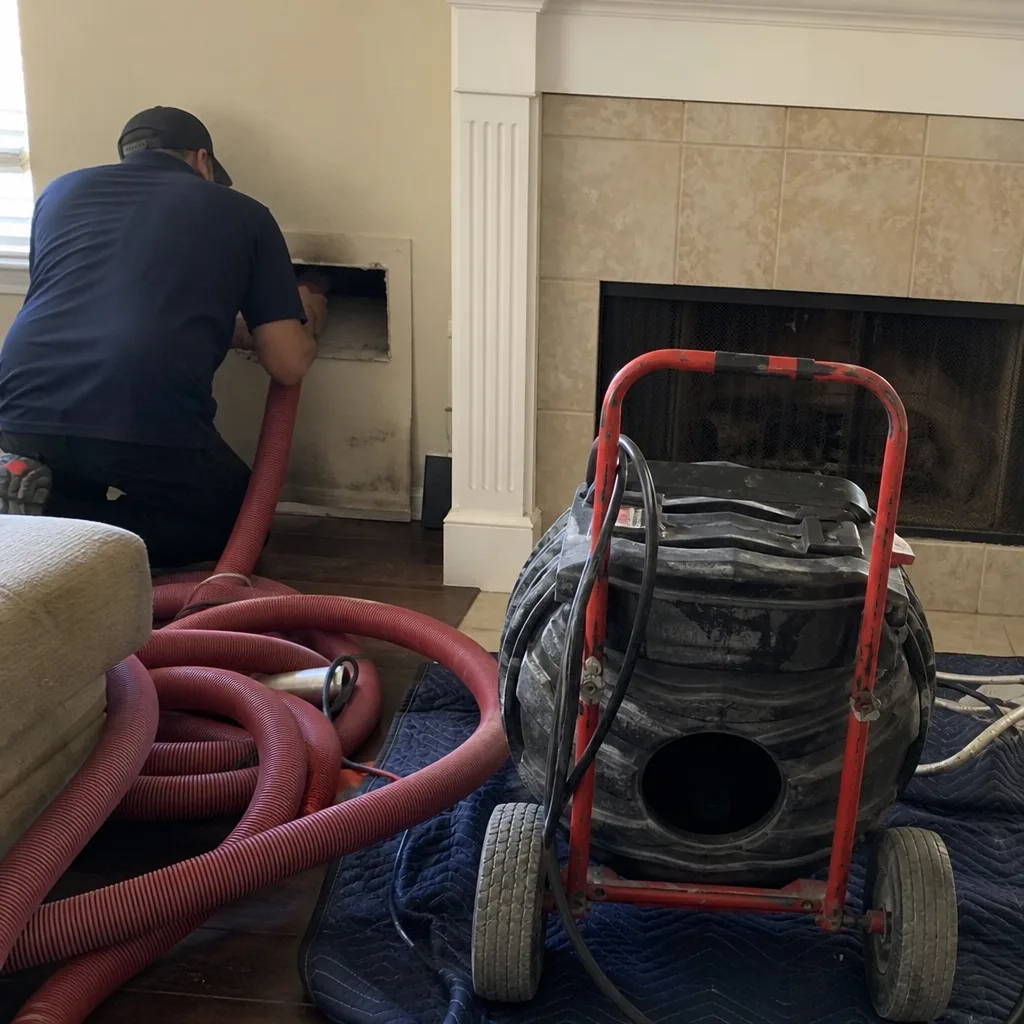 Before
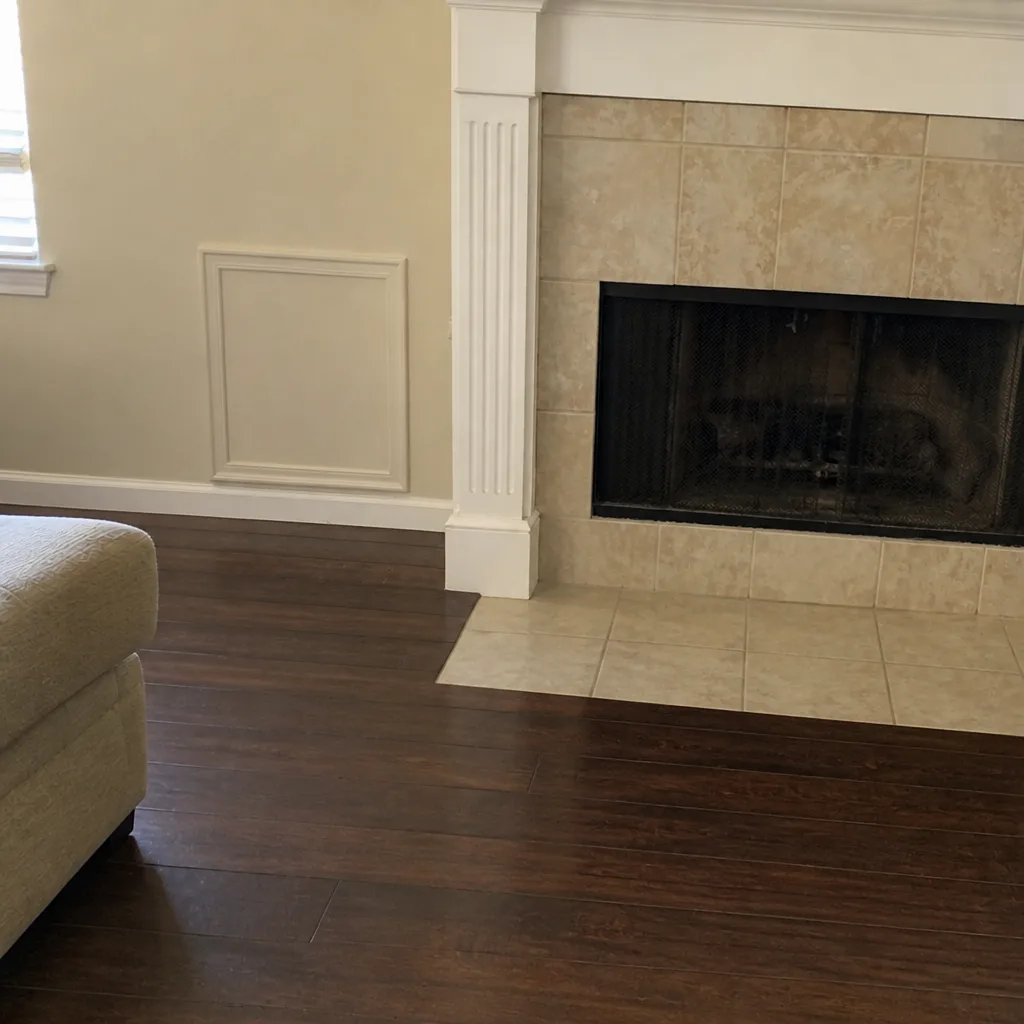 After
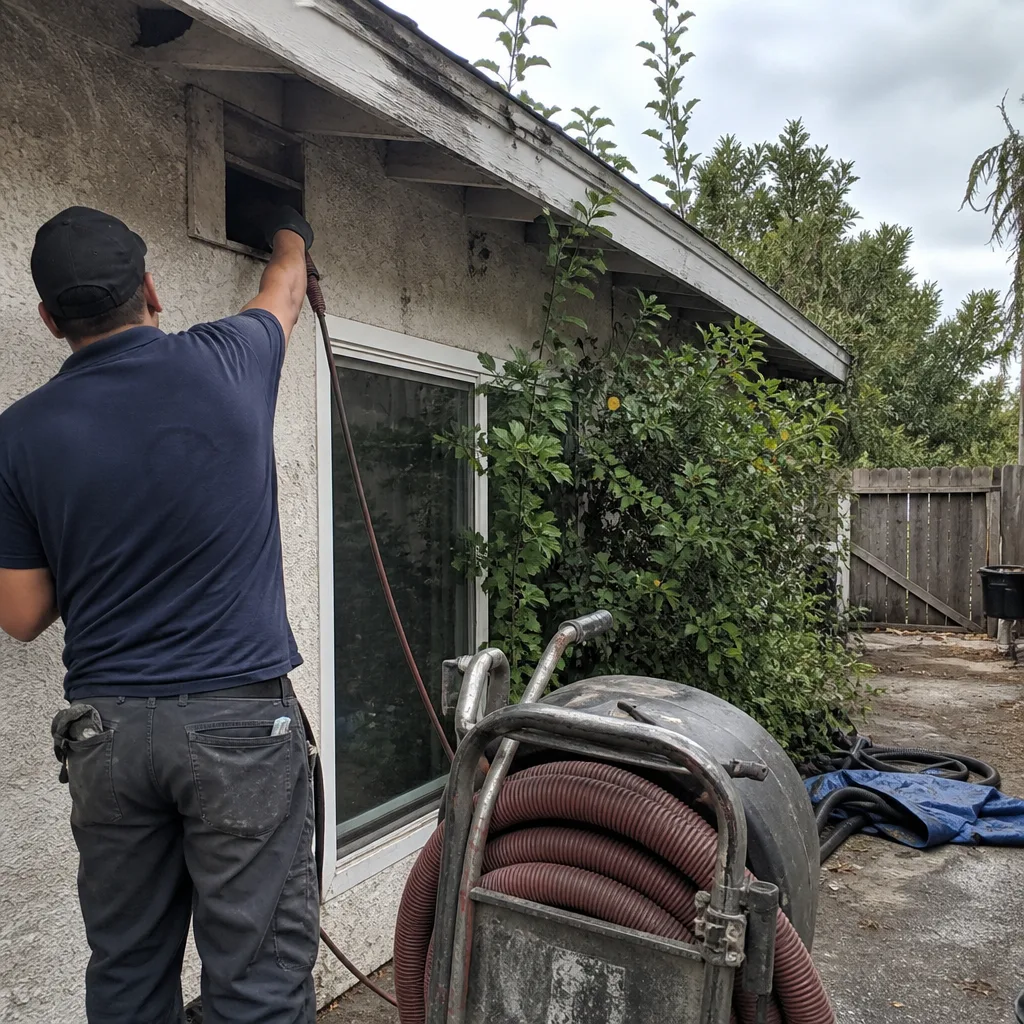 Before
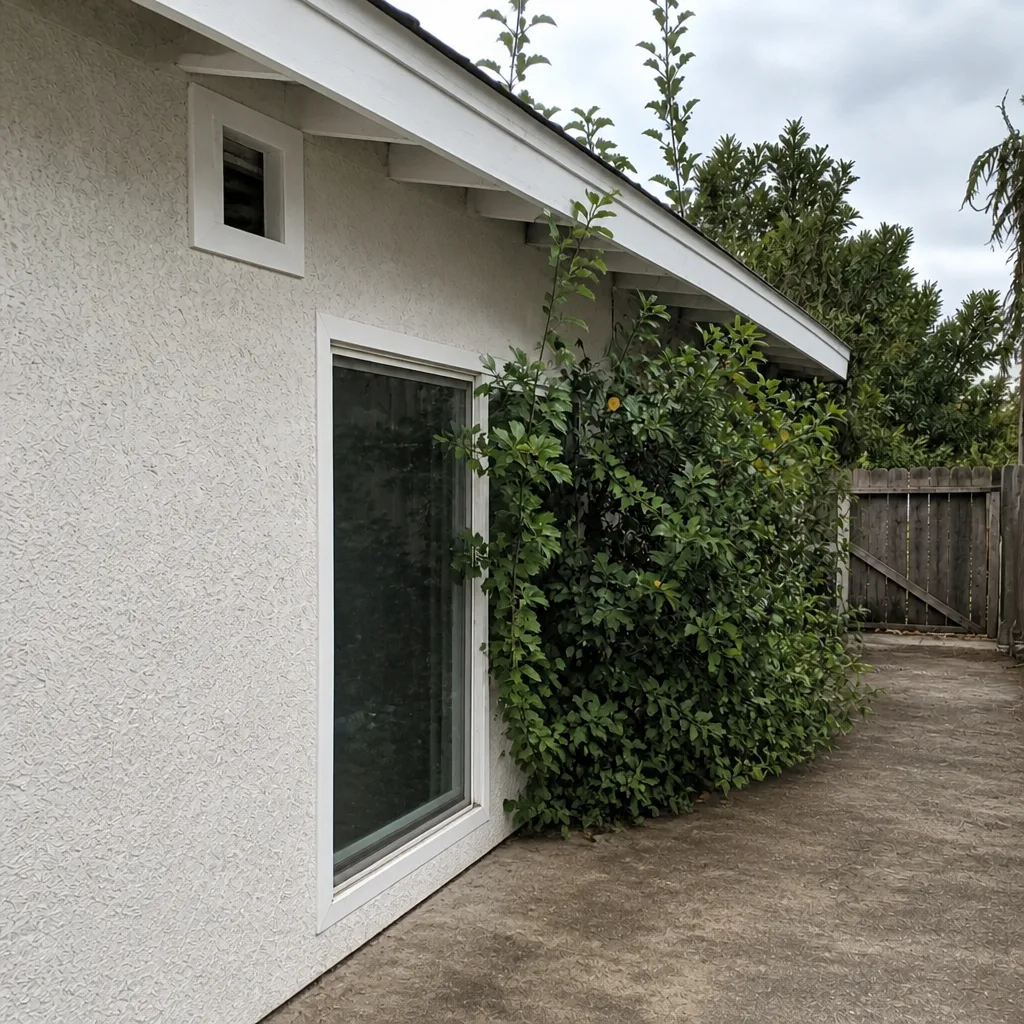 After
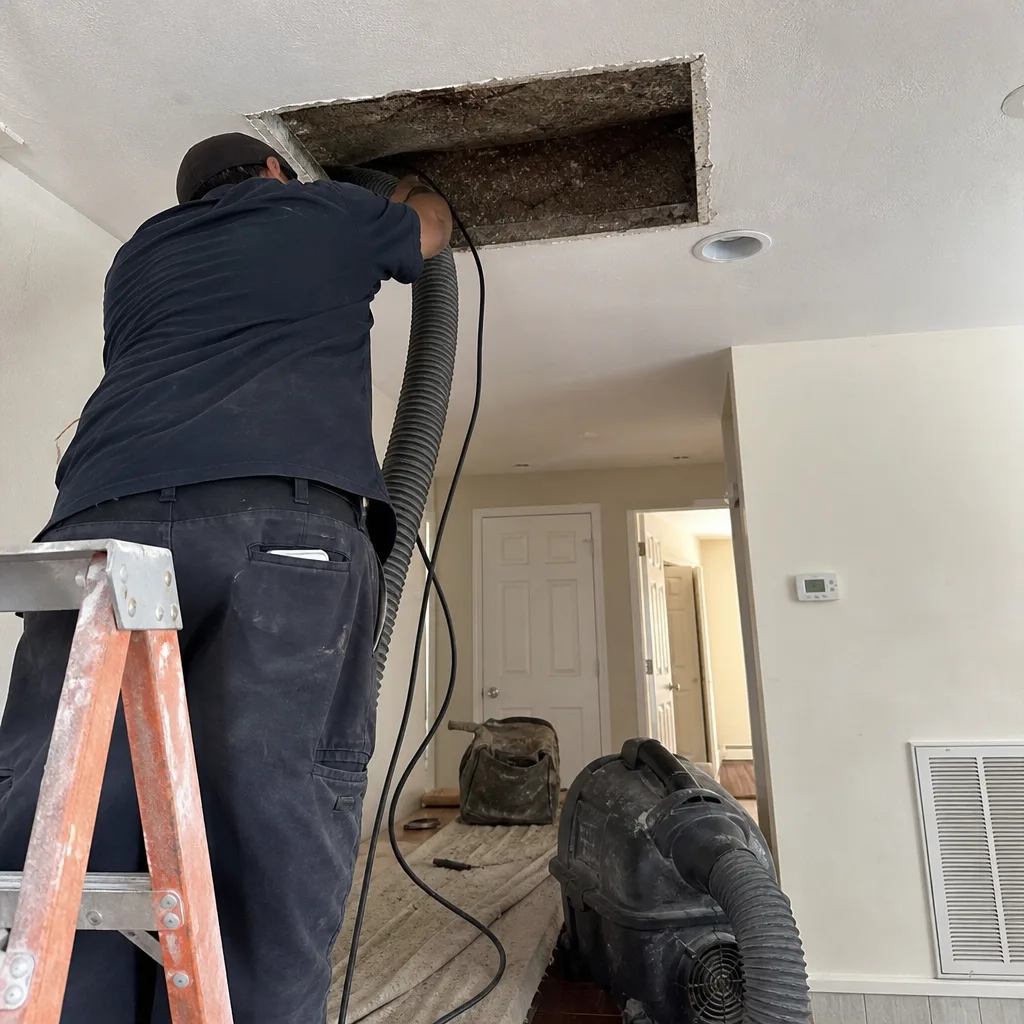 Before
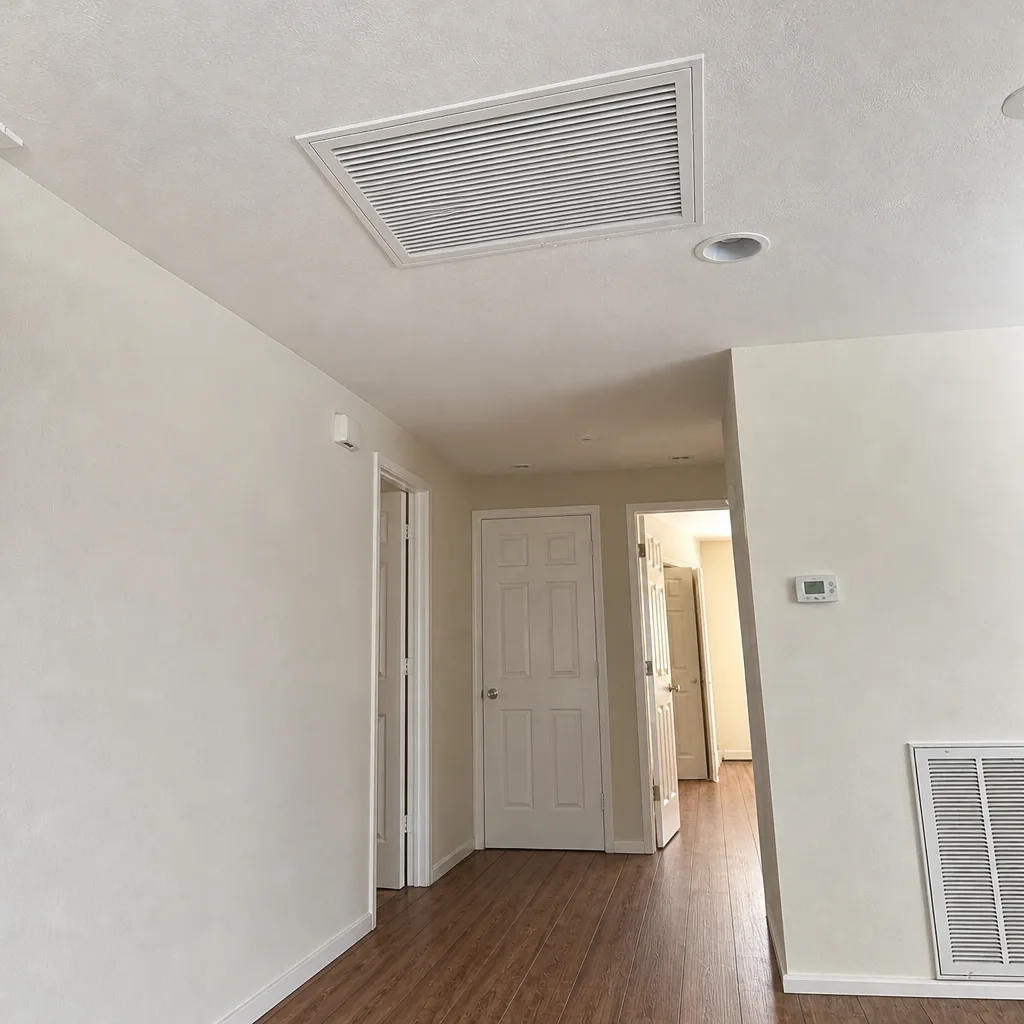 After
Frequently Asked Questions
Within one to two weeks of the outdoor air returning to normal, and sooner if you have anyone in the home with respiratory sensitivity. Smoke residue settles into the duct lining and continues to release fine particulate and odors until it’s removed. Waiting past a couple of weeks gives the contamination more time to become surface-bound. Call (866) 937-8913 for an exact quote – estimates are free.
Only if it’s MERV-13 or higher and it fits the slot without bypass. A standard 1-inch fiberglass filter catches pet hair and large dust but lets fine smoke particulate pass straight into the ductwork. If your system has a sealed media cabinet with an upgraded filter, running the fan during a smoke event is often the right call. Without that, shut the system down and use a portable HEPA unit. Call (866) 937-8913 for an exact quote – estimates are free.
You likely won’t see it directly. The signs are a musty smell that shows up days after a leak, condensation on register grilles, visible water staining on drywall near a duct run, or a soft spot in the duct insulation in a basement or crawl access. If any of those are present, get an inspection within the 48 to 72 hour window after the water source is stopped. Call (866) 937-8913 for an exact quote – estimates are free.
Because the cheap quote usually isn’t quoting the same service. A low price typically means a vacuum of the visible dust without source-capture containment, no sanitizing pass, no repair or sealing, and no documentation packet. Professional-grade work with Rotobrush and Nikro equipment and Abatement Technologies containment costs what it costs. The written estimate sets the final price, and you should ask any company to clarify scope before agreeing. Call (866) 937-8913 for an exact quote – estimates are free.
Ask for before-and-after photographs of the duct run itself, plus pre-service and post-service particle count readings. Photos show the debris came out. Particle counts show the air in your home got cleaner. A company that documents the work this way is easy to trust; one that doesn’t is hard to verify after the fact. Call (866) 937-8913 for an exact quote – estimates are free.
Usually, yes, if the cleaning addresses the lining and not just the visible dust. The right response is source-capture cleaning of the full duct run, HVAC cleaning of the blower and coil, and a sanitizing pass with a product like Guardsman applied to the lining. Skip the sanitizing step and the smell returns. In our experience, homes that get the full response lose the smell within days. Call (866) 937-8913 for an exact quote – estimates are free.
The Bottom Line
Duct emergencies in Placentia follow patterns, and once you know the patterns you can prepare for them instead of reacting to them. Wildfire smoke needs a response that addresses adsorbed VOCs in the lining, not just visible dust. Water intrusion needs action within 48 to 72 hours before mold colonization becomes likely. Renovation dust is preventable if the return gets sealed before the project starts. The best time to think about all three is before the next event, when a MERV-13 filter, sealed returns, and a documented baseline inspection give you room to maneuver. Our technicians have up to 12 years of experience working through these responses. When the next event hits, call (866) 937-8913. We answer 24/7. Fast dispatch from 7am to 7pm, Sunday through Friday. Estimates are free, and we clean it, repair it, and seal it in one visit.
Written by the team at Placentia Air Duct Cleaning Pros.