
Last updated November 23, 2026
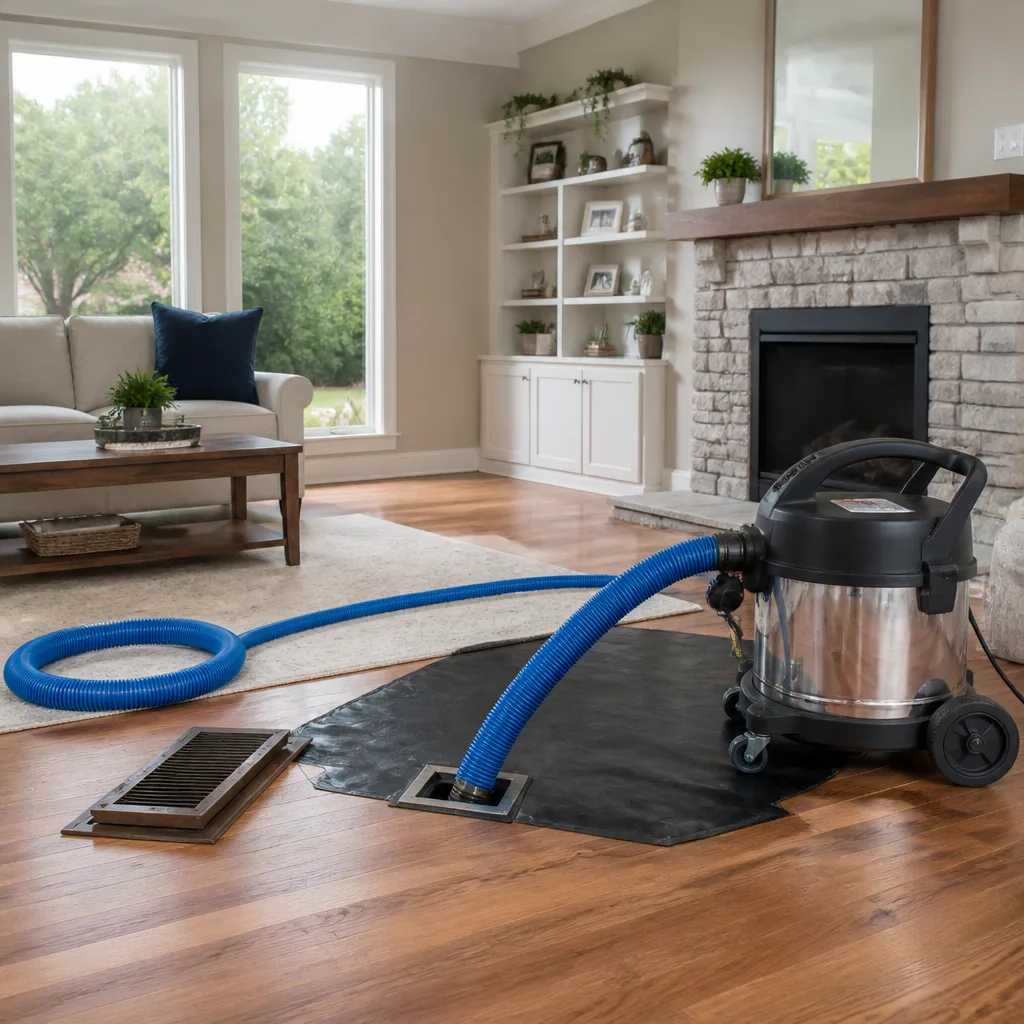 Whole-home duct cleaning
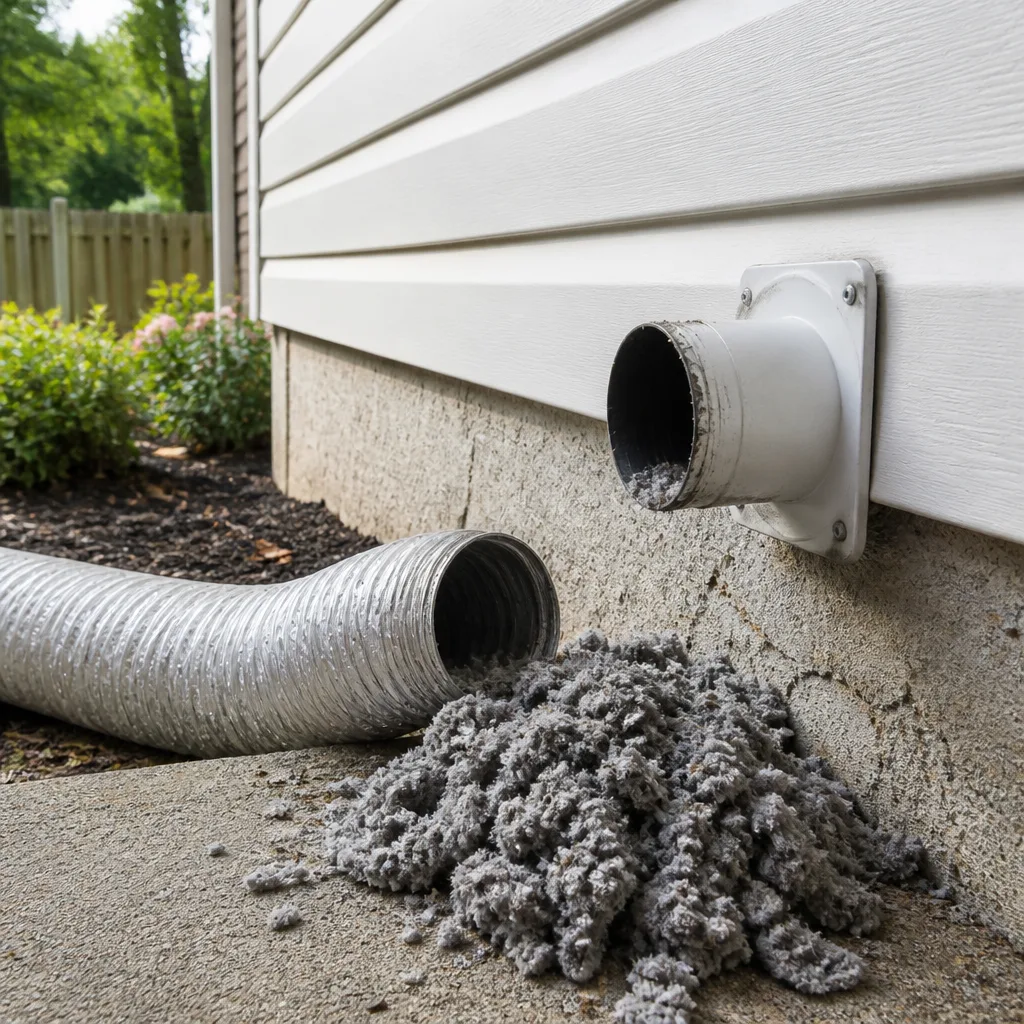 Dryer vent cleaning
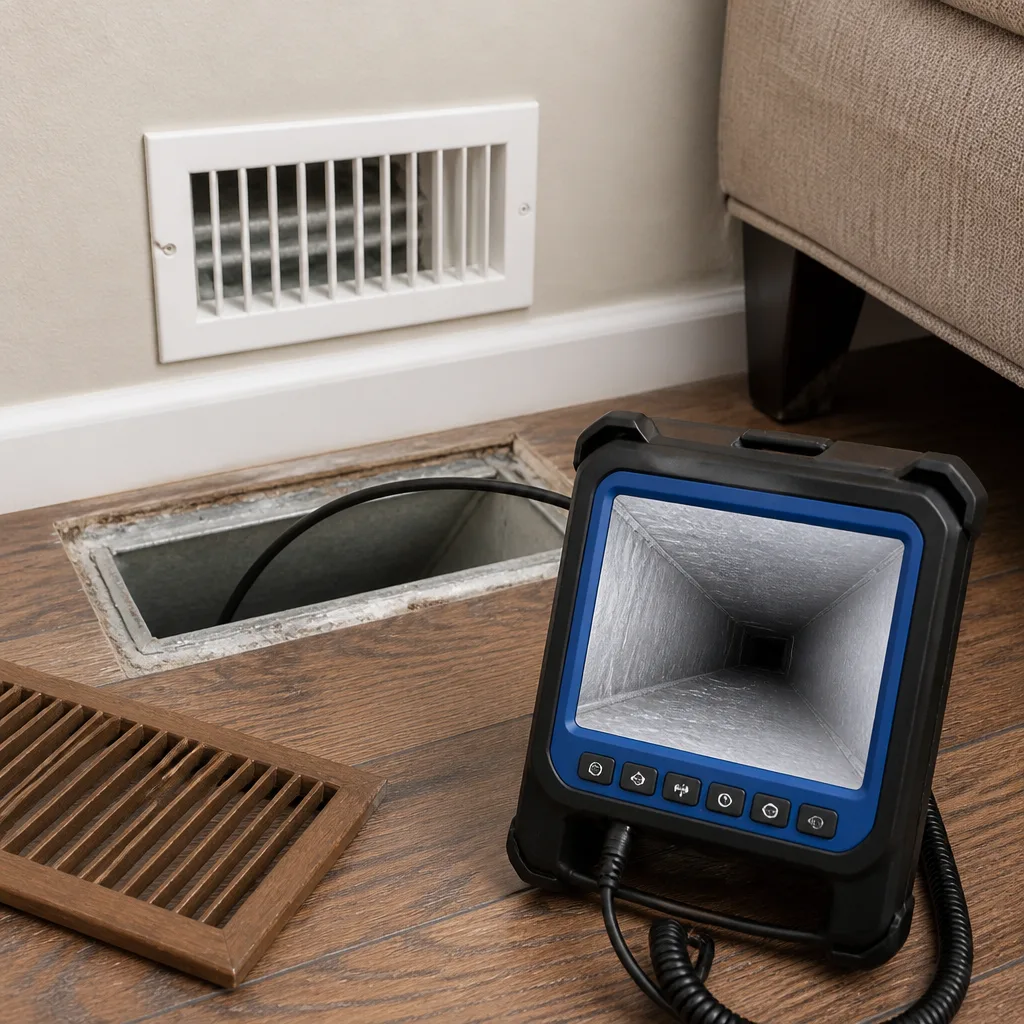 Camera inspection
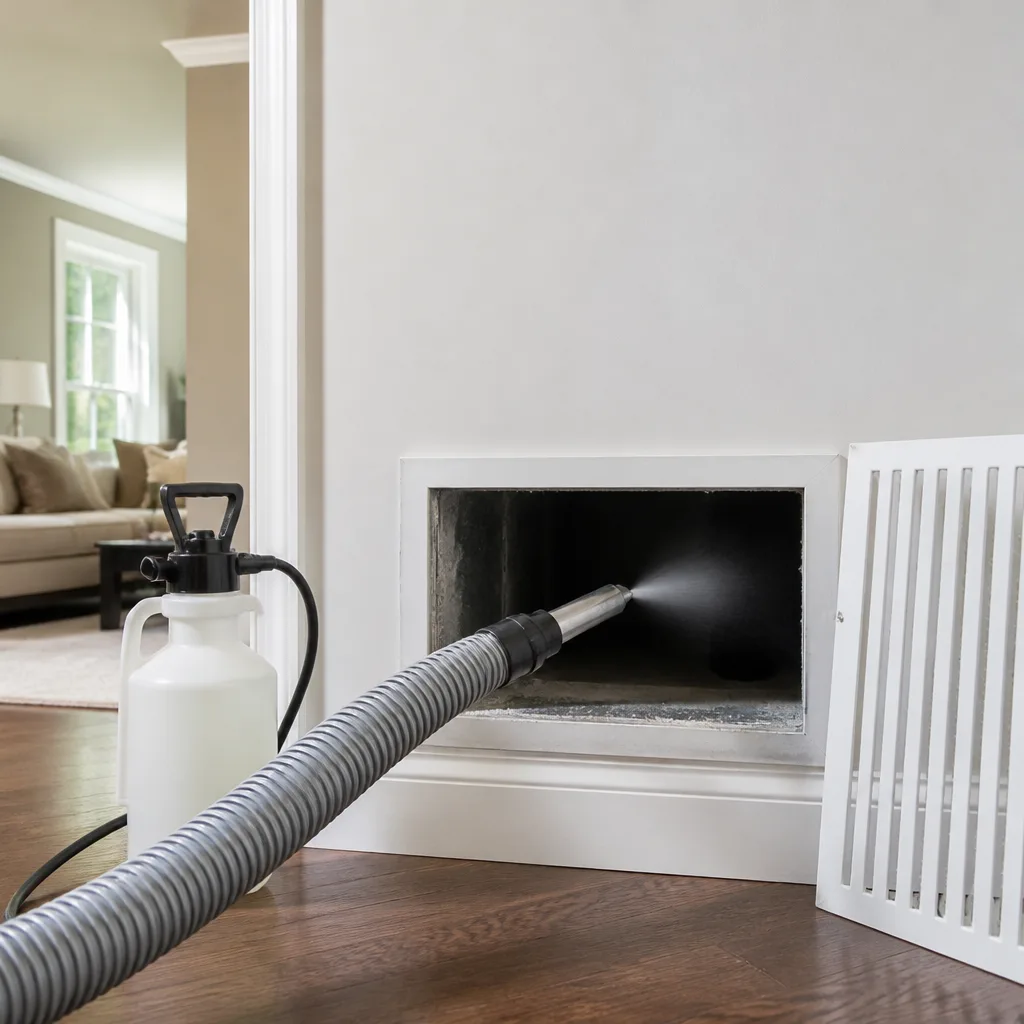 Sanitizing & deodorizing
Whole-system duct and dryer vent check with before-and-after photos - you see exactly what came out of your vents
That "$99 whole-house special" is a bait ad - the real number appears once they are in your hallway, or the "clean" is a shop-vac at the register. We photograph the inside of your ducts before and after instead.
Seasonal Air Duct Cleaning Care for Placentia: Year-Round Homeowner’s Guide
Placentia doesn’t have a duct cleaning season. It has four of them, and each one puts a different kind of stress on the same duct system you breathe through all year. Most homeowners treat duct care as an annual checkbox, usually when a bill spikes or an odor shows up, and that’s exactly why they stay one step behind their indoor air quality. Spring pollen, summer heat load, fall wildfire smoke and Santa Ana winds, and a winter system restart ask four different things of your ducts. This guide walks through each season, shows you what to inspect and when, and helps you build a rolling 12-month plan so Placentia homeowners neither over-service nor neglect the system.
Quick Answer
Air duct care in Placentia works best on a four-season cycle rather than one yearly visit: a spring filter-and-bypass inspection, a summer seal and liner check before peak cooling, a fall smoke and wind protocol with a post-event inspection, and a winter restart checklist that includes pest screening. Staggering professional service with simple homeowner checks keeps the system cleaner year-round and catches the small failures that turn into expensive ones.
Styles & brands we work with
- Whole-home duct cleaning
- Dryer vent cleaning
- Camera inspection
- Sanitizing & deodorizing
Table of Contents
- Spring: Pollen Season and Duct Filter Bypass
- Summer: Heat Load and Flex Duct Degradation
- Fall: Santa Ana Winds, Wildfire Smoke, and the Seal-or-Run Decision
- Winter: Pre-Season Restart and Pest Screening
- Building Your 12-Month Rolling Service Calendar
- Homeowner Inspection Tasks You Can Do Yourself
- When Duct Cleaning Actually Makes Sense (and When It Doesn’t)
- Frequently Asked Questions
Spring: Pollen Season and Duct Filter Bypass
Placentia’s residential streets are lined with mature trees, and by late March the pollen load in the air is heavy enough that you can see it on car windshields. That pollen doesn’t stop at your front door. It gets pulled into the return ducts every time the system runs, and the weak point in almost every residential system is where the return filter sits in its frame. That’s called filter bypass, and it’s the single most underrated source of spring contamination.
Filter bypass happens when a filter doesn’t seat flush with the return grille or air handler slot. A gap of even a quarter inch lets unfiltered air slip past the filter and into the ducts. Over a spring season, that gap allows a steady accumulation of pollen, dust, and fine debris to coat the return plenum and the inside of the air handler cabinet.
What to Check Each Spring
- Filter fit: Pull the filter and look at the frame around it. If you can see daylight or a visible gap, the filter isn’t sealing. A properly sized filter sits snug with no bypass around the edges.
- Filter change frequency: During heavy pollen months, standard 1-inch filters load fast. Check them monthly through May rather than following a generic 90-day schedule.
- Return grille dust: A visible ring of dust around the return grille is a sign that air is moving past the filter rather than through it.
- Supply vents in bedrooms: Spring is a good time to pull vent covers and check for dust streaks on the diffuser fins. Streaking means the duct liner has picked up material.
How Spring Pollen Loads the Return Side
Return ducts carry air back to the air handler, and because they’re under negative pressure relative to the rooms they serve, any gap in the return path pulls air in from the surrounding space rather than leaking air out. That means spring pollen, dust, and even attic insulation fibers get sucked into the return system wherever a return duct joint, boot, or filter frame is loose. Professional air duct cleaning in early spring, before pollen peaks, resets the system to a clean state so you’re not starting the season with a contaminated duct interior.
Summer: Heat Load and Flex Duct Degradation
Summer in Placentia means weeks of sustained 90°F-plus heat, and that’s where duct condition starts to matter in ways homeowners rarely think about. Flex duct, which runs through most attics and crawlspaces in Southern California homes, is a composite: a plastic inner liner, a wire helix, and an outer jacket of insulation. That outer jacket takes the brunt of attic heat, and over multiple summers it can degrade.
What Summer Heat Does to Flex Duct
- Outer jacket cracking: The foil or plastic outer jacket on flex duct becomes brittle with sustained heat cycles. Cracks let hot attic air infiltrate the duct run, which drives up energy use and reduces delivered cooling.
- Inner liner separation: The inner liner can pull away from the wire helix, sag, and create pockets that trap debris and restrict airflow to certain rooms.
- Seal failure at joints: Duct tape and mastic degrade over time. The hottest runs in the attic are usually the first to fail.
- Collapsed runs: A sagging or kinked flex run delivers far less air than its nominal size suggests, and that’s often why one bedroom stays warm all summer.
Pre-Cooling-Season Inspection Checklist
- Walk your attic or crawlspace (if accessible and safe) before peak cooling and look for visible kinks, sags, or disconnected runs.
- Check the attic-side duct joints for tape that’s peeling, cracked, or missing.
- Confirm each room is getting roughly the airflow you expect by holding a tissue to the supply vent. A flutter that barely moves means a problem upstream.
- Look for signs of condensation on duct exteriors, which can indicate a failing jacket or insulation that’s no longer performing.
If the pre-season check turns up failed joints or cracked jackets, the smart move is a duct repair and sealing pass before the first heat wave, not after you’ve run the system for eight weeks on leaking runs. HVAC cleaning alongside seal repair addresses the air handler and coil surfaces that have collected the debris that slipped past spring filtration.
Fall: Santa Ana Winds, Wildfire Smoke, and the Seal-or-Run Decision
Fall in Placentia is defined by two things that push hard on indoor air: the Santa Ana winds, which bring dry, dust-laden air inland, and wildfire smoke events that can drift into the region for days at a time. Together they raise a real question that most guides skip entirely: when do you seal the house, and when do you run the system?
When to Seal the House vs. When to Run the System
The general rule of thumb: during an active smoke event or a heavy dusty wind day, keep windows and doors closed and minimize system runtime. The reason is that most residential systems draw their return air from inside the house, but a marginal duct system will pull in outside air wherever return paths leak into attics or exterior walls. Running the system during heavy smoke can actually increase the rate at which smoke infiltrates the return side.
- Active smoke event: Doors and windows closed, system off or run minimally, and no whole-house fans. Run a portable HEPA unit in the room you’re using most if you have one.
- Backside of the event: This is when a professional duct inspection matters. Smoke leaves a film on duct interiors that a filter doesn’t catch.
- Windy but clear: You can run the system, but a duct sealing inspection should be on your fall list so that return leaks stop acting as a smoke doorway next season.
- Post-event walkthrough: Open windows once the air clears, run the system on fan-only for a short period with filtration in place, and schedule an inspection if you notice smoky or musty odors when the system starts.
What a Post-Smoke-Event Duct Inspection Should Include
- Visual inspection of the return plenum and air handler cabinet for smoke film, soot, and fine ash accumulation.
- Inspection of the supply trunk and branch runs for odor and visible residue.
- Confirmation that return-side joints and the filter frame are sealed, so contaminant infiltration doesn’t continue after the event.
- Filter condition check, plus a recommendation on whether the filter should be replaced.
- Air quality assessment with a documented recommendation for sanitizing if odors persist.
When an inspection turns up smoke film inside the ducts, Placentia Air Duct Cleaning Pros uses Abatement Technologies negative-air equipment and filtration to capture dislodged material on-site rather than recirculating it through the house. Honeywell and Aprilaire products, or a Guardsman treatment, can be integrated if a sanitizing pass makes sense after the cleaning.
Winter: Pre-Season Restart and Pest Screening
Placentia winters are mild, but your HVAC system rests more in the cooler months, and that downtime is when a duct system is most vulnerable to intrusion. Rodents, insects, and birds find their way into ducts and air handler cabinets during the periods when the system runs little, and the problem often isn’t noticed until the first cold snap when the system kicks on and blows the evidence into every room.
Winter Restart Checklist
- Before the first heat cycle: Walk the accessible duct runs and look for chew marks, droppings, or nesting material near boots and return grilles.
- Inspect exterior terminations: Confirm that exterior return and exhaust terminations are screened and intact. A missing screen is an open door.
- Attic and crawlspace check: Look at duct hangers and supports, and confirm no duct runs have been explored or torn by wildlife.
- Filter replacement: Swap to a fresh filter before the first heating run, and note the date on the frame.
- Smoke and odor test: On the first cold morning the heat runs, note any unusual smell. A dusty smell is normal for a day; a musty or acrid smell is not.
- Airflow balance: Check that each room’s supply vents flow consistently. Uneven heating in winter often traces back to a collapsed or disconnected duct run.
If the restart check turns up any of those signs, it’s better to catch it before the system has been running for a week spreading material through the house. A winter inspection is also the right time to add duct repair and sealing to the plan, so that any pest-entry point or failed joint gets closed off before spring.
Building Your 12-Month Rolling Service Calendar
The most useful thing you can do for Placentia indoor air quality is stagger professional visits against homeowner tasks so that nothing gets doubled up and nothing gets skipped. Here’s a rolling calendar that avoids both over-servicing and neglect.
Rolling 12-Month Calendar
- March (spring prep): Homeowner checks filter fit, replaces filter. If a professional inspection hasn’t been done in 2-3 years, or if you’ve moved into a new home, schedule air duct cleaning now, before pollen peaks.
- April-May: Homeowner checks filters monthly through pollen season. Note any new dust rings on returns or supplies.
- June (summer prep): Professional duct repair and sealing inspection if the system is 10+ years old or never inspected. Homeowner checks attic runs for kinks and joint tape peeling.
- July-August: Homeowner tracks room-by-room airflow. If one room consistently lags, that’s an inspection item, not a wait-and-see.
- September (fall prep): Professional inspection before Santa Ana wind and smoke season. Confirm return-side sealing.
- October-November: Homeowner seals windows and doors against wind, runs HEPA filtration during smoke events. Post-event professional inspection if smoke was heavy.
- December (winter restart): Homeowner walks duct runs for pest signs, replaces filter, notes any new smells or uneven heating. Professional air quality sanitizing if the system hasn’t been cleaned in a while.
- January-February: Homeowner keeps an eye on furnace performance and filter condition. Dryer vent check (see below) once a year.
- Anytime – dryer vent: Annual dryer vent cleaning is a fire-safety item that doesn’t follow the duct seasons. Treat it as its own calendar item.
The point of a rolling calendar isn’t to force a professional visit every quarter. It’s to make sure the same two or three things – filter fit, return-side sealing, and pest intrusion points – actually get looked at once per year, in the season they matter most.
Homeowner Inspection Tasks You Can Do Yourself
You don’t need professional equipment to catch most duct problems early. These are tasks that don’t require opening ductwork and don’t put you near anything hazardous. What’s on this list is safe and useful. What isn’t on this list is anything involving electrical panels, gas lines, or duct runs you’d have to pull open yourself. For those, stay back and let a trained technician handle it.
- Filter swap and fit check: Monthly during pollen and smoke season, quarterly otherwise. Confirm the filter seats flush with no visible gap.
- Airflow tissue test: Hold a tissue to each supply vent. A healthy flow will flutter the tissue steadily. A weak flutter on one vent while others are strong is a duct-run problem.
- Return grille dust ring: A visible dust halo around a return grille signals filter bypass or a leaking return boot.
- Smell test on startup: First heat run of the season and first cool run of the season. Note dusty (normal, brief) versus musty or smoky (not normal).
- Exterior termination check: Look at the outside flapper and screen on any exterior vent. Confirm it’s intact and closes cleanly when the system isn’t running.
- Dryer vent lint check: Pull the lint trap every cycle, and check the exterior dryer vent flapper monthly for lint buildup and airflow.
When Duct Cleaning Actually Makes Sense (and When It Doesn’t)
Not every home needs duct cleaning on a schedule. A newer home with sealed ducts, a well-fitting filter, no pets, and no recent smoke event may not need a professional cleaning for several years. What does justify it: visible dust streaming from supply vents when the system starts, persistent musty odors from returns, a recent wildfire smoke event, pest intrusion, a new home with unknown history, or a recent remodel that left drywall dust in the system.
What Professional Cleaning Actually Involves
The standard for professional work is a source-removal approach, not a fog-and-forget. When our technicians arrive, they connect high-powered vacuum and agitation equipment. The professional-grade Rotobrush and Nikro systems we use are the same class of equipment commercial HVAC contractors rely on, not consumer vacuums. Contaminants that get dislodged are captured with Abatement Technologies negative-air and filtration equipment so they don’t recirculate through the home. Our technicians have up to 12 years of experience working duct systems in Southern California homes, so they know the specific failure modes flex duct develops here.
How to Know the Work Was Actually Done
Two things separate a real cleaning from a quick pass. First, the equipment has to be capable of removing material from the duct interior, not just the accessible surfaces. Second, you should be able to see the difference. Ask for before-and-after photos of your own ducts, and ask what equipment and what filtration system will be used before the crew starts.
See the difference
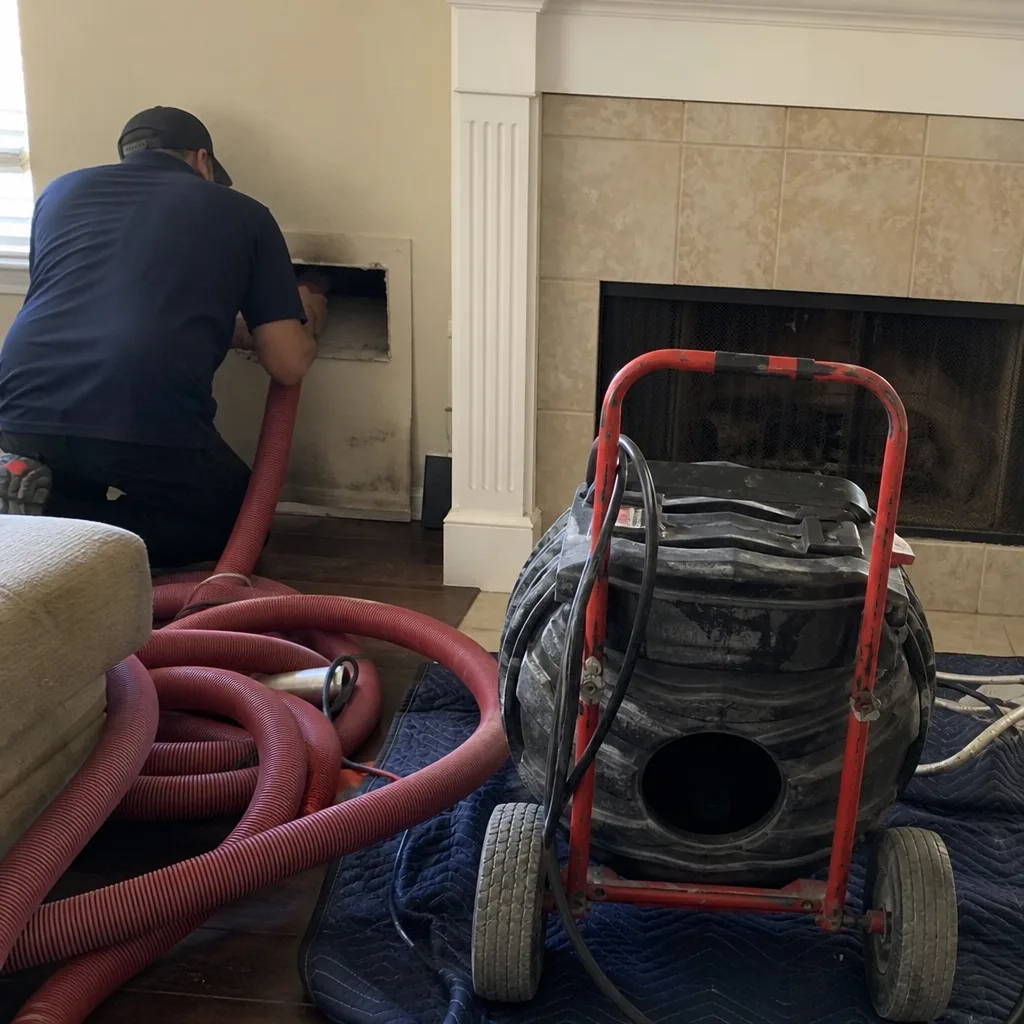 Before
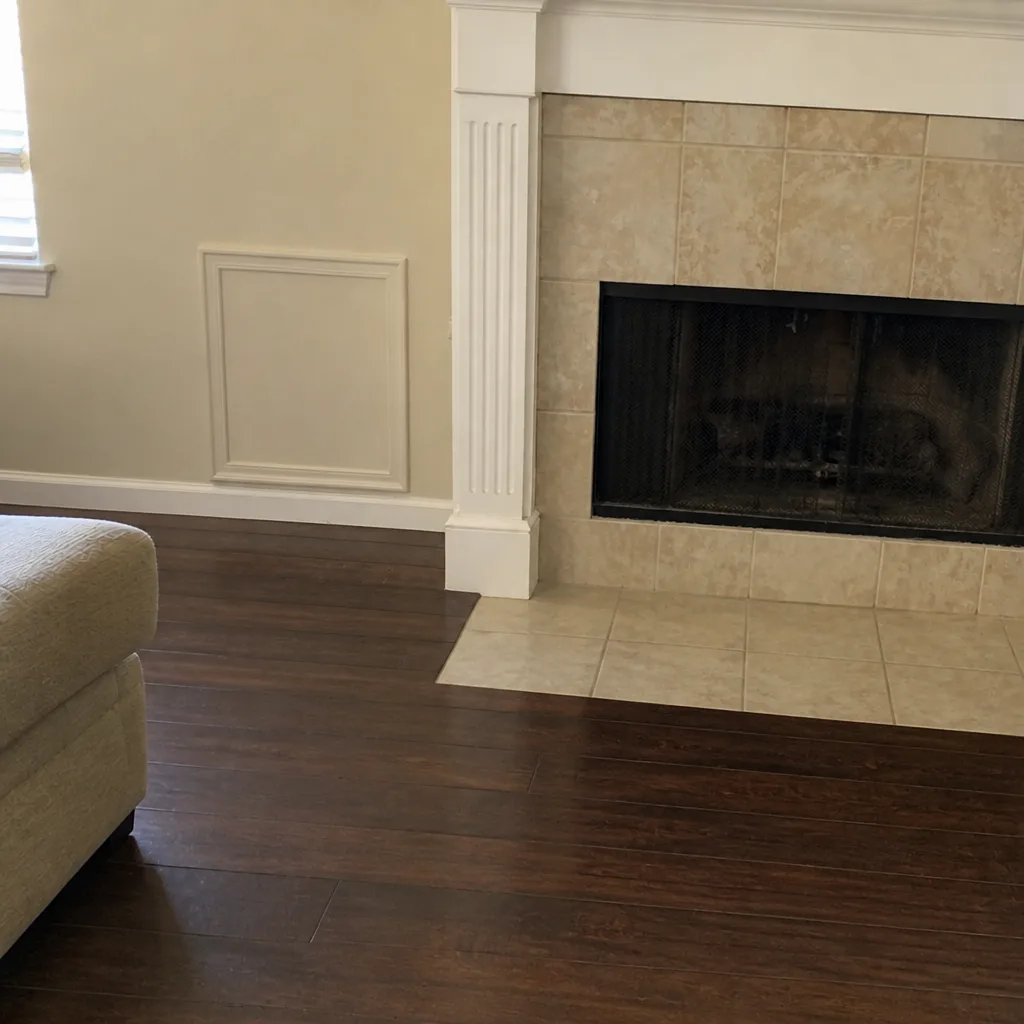 After
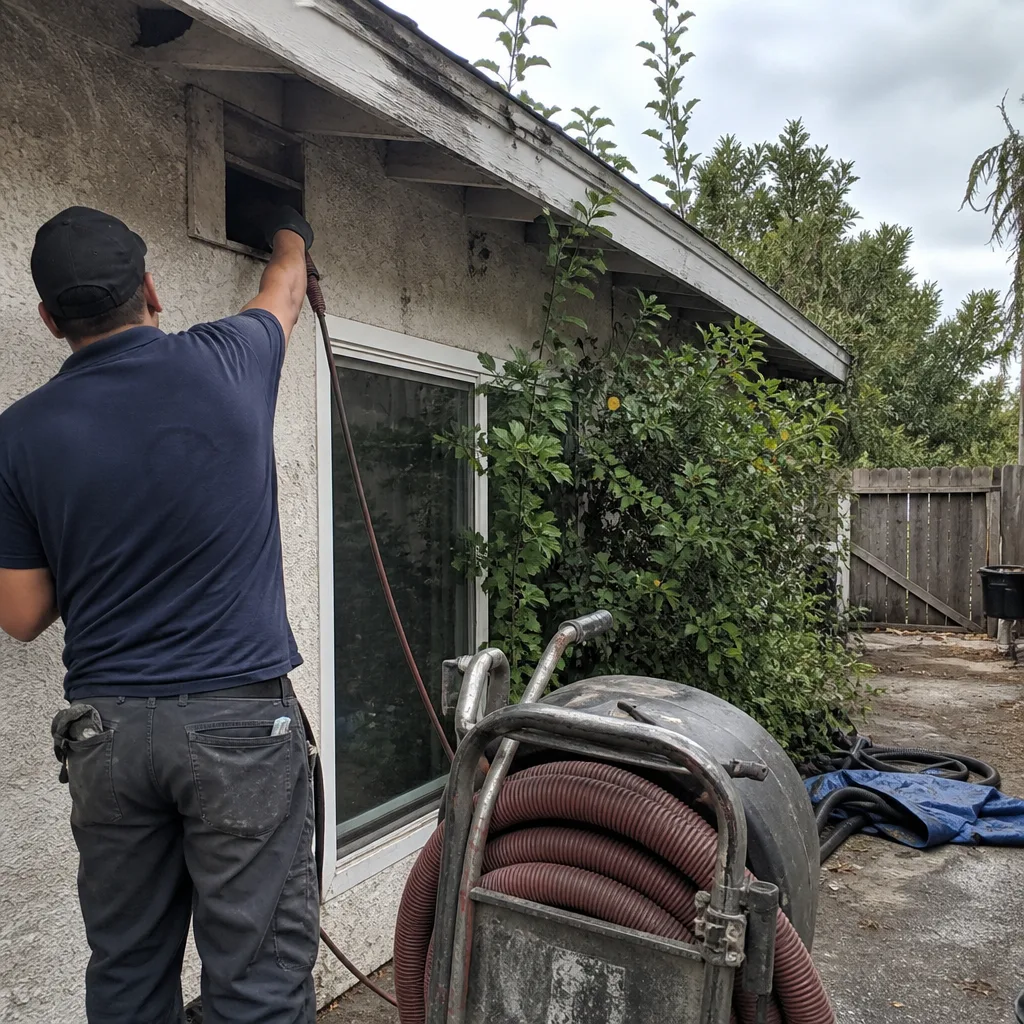 Before
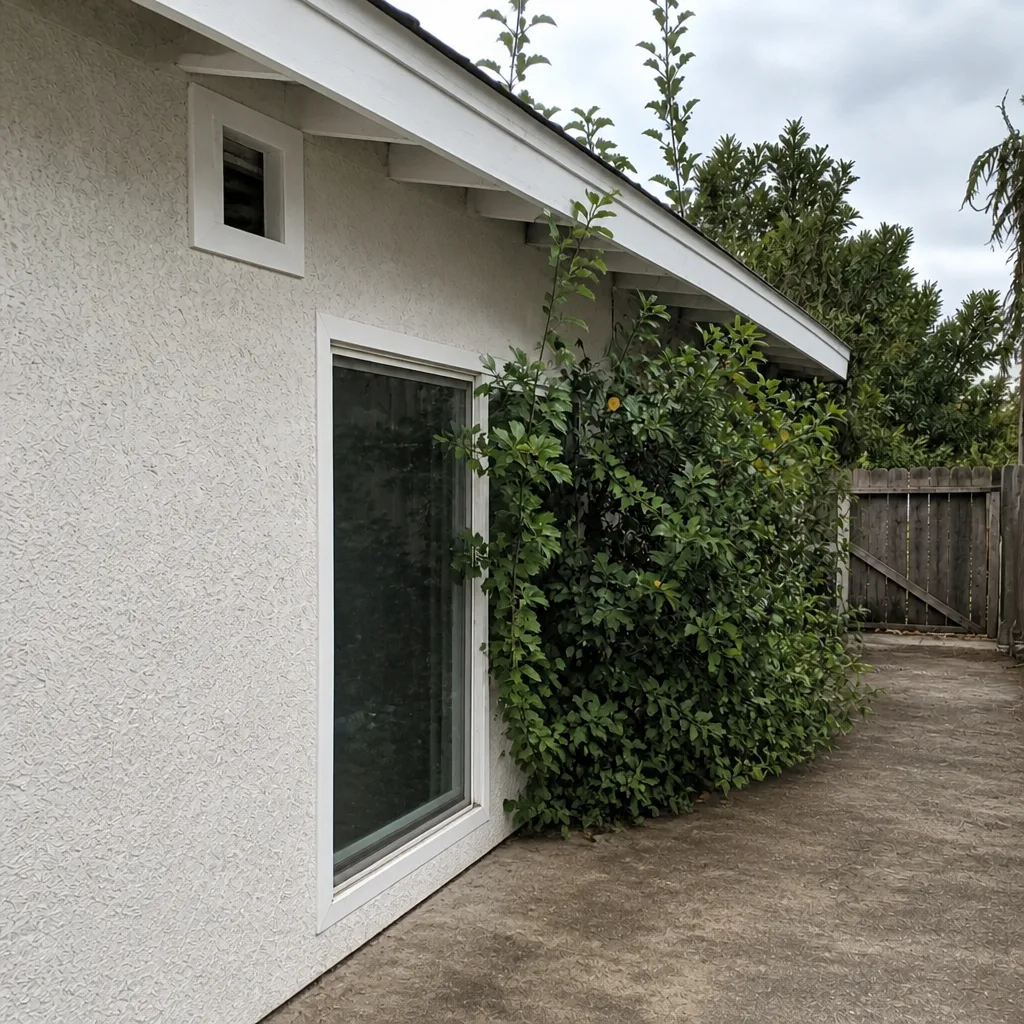 After
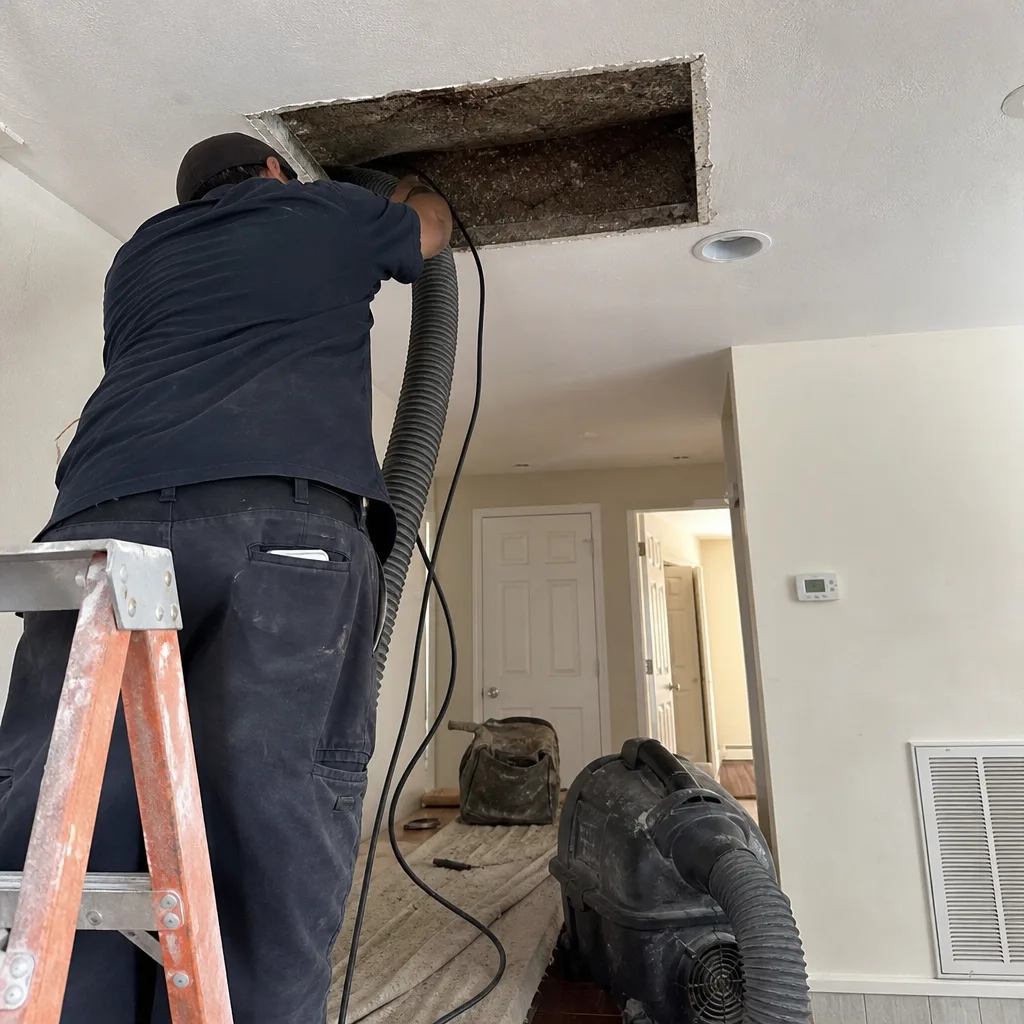 Before
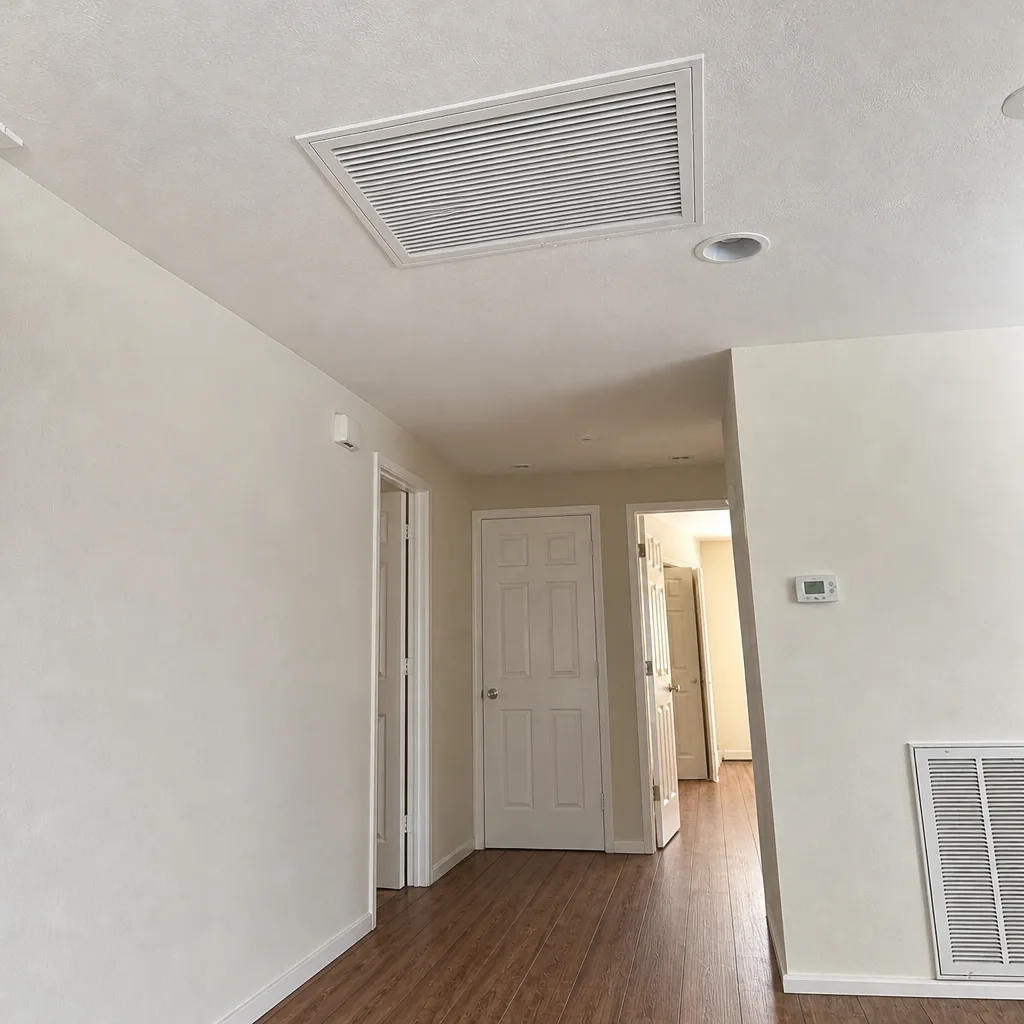 After
Common Mistakes to Avoid
- Only cleaning when the bill spikes: Energy bills rise from many causes, and by the time a duct problem shows up as a high bill, the issue has been there through several seasons. Inspect on the calendar, not the bill.
- Ignoring filter bypass: A filter that doesn’t seal is only filtering the air that happens to go through it. A quarter-inch gap in the return frame is a year-round pollen and smoke path in Placentia.
- Skipping the pre-cooling-season check: Letting your first summer in Placentia run without a duct inspection means you discover a failed seal or collapsed flex run mid-heat-wave, when the whole system is already stressed.
- Running the system hard during a smoke event: During a heavy Santa Ana smoke intrusion, more runtime can pull more outside air into a leaking return path. Seal, filter, and use minimal runtime instead.
- Skipping winter pest screening: Cooler months are when rodents and insects work their way into ducts and air handler cabinets. A quick check before the first heat run catches it early.
- Treating dryer vent cleaning as optional: Dryer vents are a real fire hazard, not a chore. Clogged vent lines are a well-documented cause of residential fires, and this is a service worth keeping on a schedule.
- Hiring a single-service crew for a multi-part problem: A duct cleaner who can only clean isn’t equipped to seal a leaking joint or sanitize the system afterward. You want the same visit to handle cleaning, repair and sealing, and sanitizing.
When to Call a Professional
Call for professional service if you see dust streaming from a supply vent when the system starts, if you smell musty or smoky air from the return grilles when the system cycles on, if pest signs or chew marks show up in accessible duct runs, if you’ve just moved into a Placentia home with unknown duct history, or if you’ve come off a heavy smoke event. Those are the situations where a professional inspection pays for itself by catching a fixable problem before it turns into a bigger repair. For duct sealing, HVAC cleaning, sanitizing, and dryer vent work, a single crew that carries Rotobrush, Nikro, and Abatement Technologies equipment can handle the full scope in one visit rather than handing pieces off to a second contractor. The price is set per job by a written estimate. Placentia Air Duct Cleaning Pros offers free estimates in Placentia. Call (866) 937-8913. We answer 24/7. Fast dispatch from 7am to 7pm, Sunday through Friday.
Frequently Asked Questions
Most homes need professional cleaning every 2-3 years unless a specific event (smoke, pest intrusion, remodel, new-home purchase) justifies an earlier visit. If you have pets, allergies, or a system that’s 10+ years old, an annual inspection is a smarter rhythm than an annual cleaning. The inspection tells you whether cleaning is actually needed, and you can skip the cleaning if it isn’t. Call (866) 937-8913 for a free estimate.
Local pricing depends on square footage, the number of supply and return runs, system age, and whether duct repair or sealing is needed alongside the cleaning; we set one flat price per system by written estimate after inspecting the system, so you know the total before any work starts. Call (866) 937-8913 for a free estimate.
Low advertised prices are often per-vent teasers that exclude equipment, filtration, or repair work, and the actual cost can climb quickly once the crew is on-site. Ask any contractor what equipment and what air filtration system will be used before the work starts, and expect a written estimate per system rather than a per-vent price. Call (866) 937-8913 to see what a fair estimate for your system looks like.
During an active heavy-wind or wildfire smoke event in Placentia, seal the house (doors and windows closed, whole-house fan off) and run the system minimally. Running a leaking return duct system during a smoke event can pull more outdoor air into the ducts. Once the air clears, schedule an inspection to confirm ducts haven’t picked up residue. Call (866) 937-8913 for a post-event inspection.
A professional job covers the supply and return duct interiors, air handler cabinet surfaces, and the accessible duct runs, using high-powered equipment that agitates and removes material from the duct interior. In our work, that means Rotobrush and Nikro equipment plus Abatement Technologies filtration capturing dislodged material at the source rather than letting it recirculate. Call (866) 937-8913 to book an inspection.
Yes. Dryer vent cleaning is a standalone service we offer, and it can be added to a scheduled duct cleaning visit for the same trip. Dryer vent clogs are a documented residential fire cause, and most duct cleaners ignore or outsource this work. Call (866) 937-8913 to add it to your estimate.
The Bottom Line
Placentia’s climate doesn’t give your duct system a single season of stress; it gives it four. Spring pollen loads the return side, summer heat degrades flex duct jackets and seals, fall smoke and wind infiltrate through return leaks, and winter downtime invites pest intrusion. Handle each season with the right task: check filter fit and schedule cleaning in spring, inspect and seal in early summer, add a post-event inspection to fall, and run a restart checklist in winter. Rolling that together into a single 12-month calendar keeps the system from being either over-serviced or quietly neglected. When inspection turns into cleaning, repair, or sanitizing, doing it with one crew that has the right equipment is what makes the result verifiable.
Placentia Air Duct Cleaning Pros handles all five services in scope – air duct cleaning, dryer vent cleaning, HVAC cleaning, duct repair and sealing, and air quality and sanitizing – so a single visit can address the full scope rather than handing parts of the job to another contractor. Our technicians have up to 12 years of experience, and the equipment is professional-grade Rotobrush and Nikro, with Abatement Technologies filtration capturing debris at the source. If there’s an air quality issue you can’t pin down, we can help diagnose it. Call (866) 937-8913 for a free estimate. We answer 24/7. Fast dispatch from 7am to 7pm, Sunday through Friday.
Written by the team at Placentia Air Duct Cleaning Pros.