
Last updated November 23, 2026
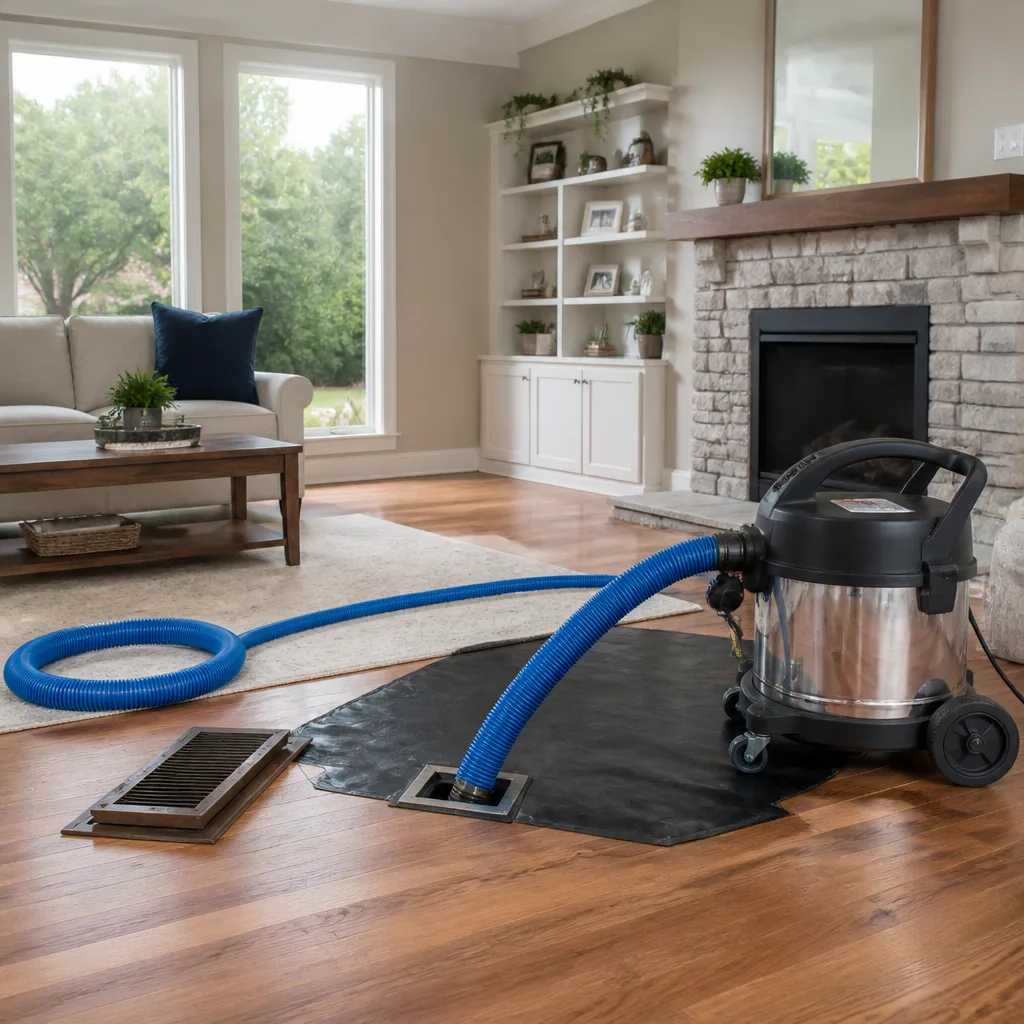 Whole-home duct cleaning
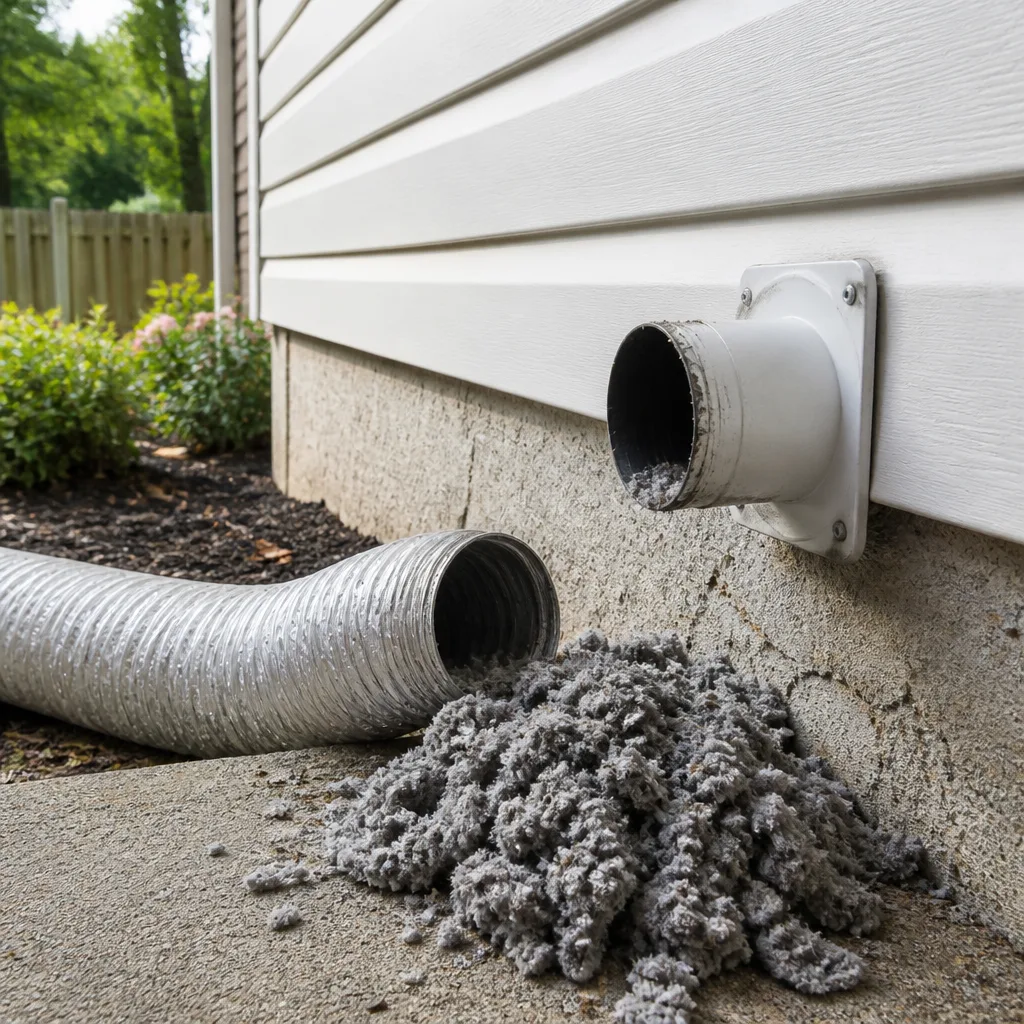 Dryer vent cleaning
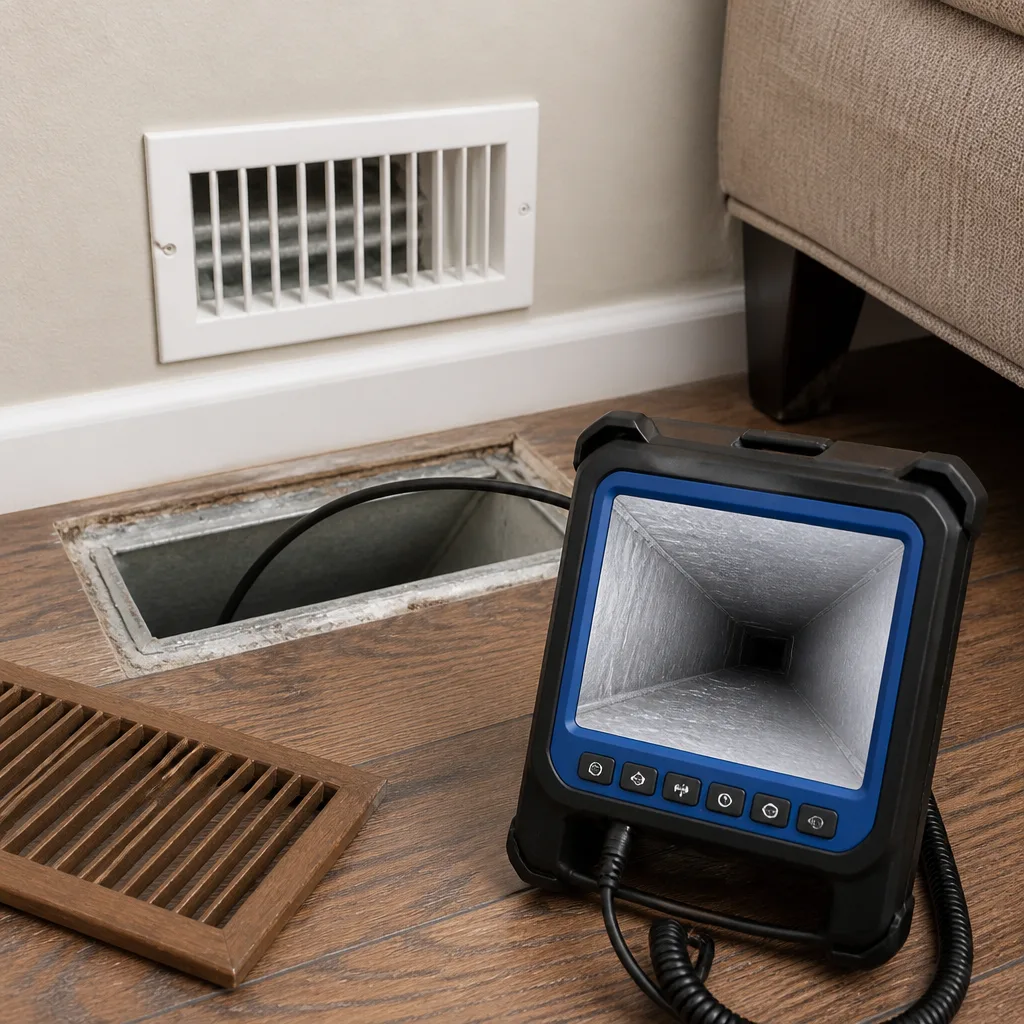 Camera inspection
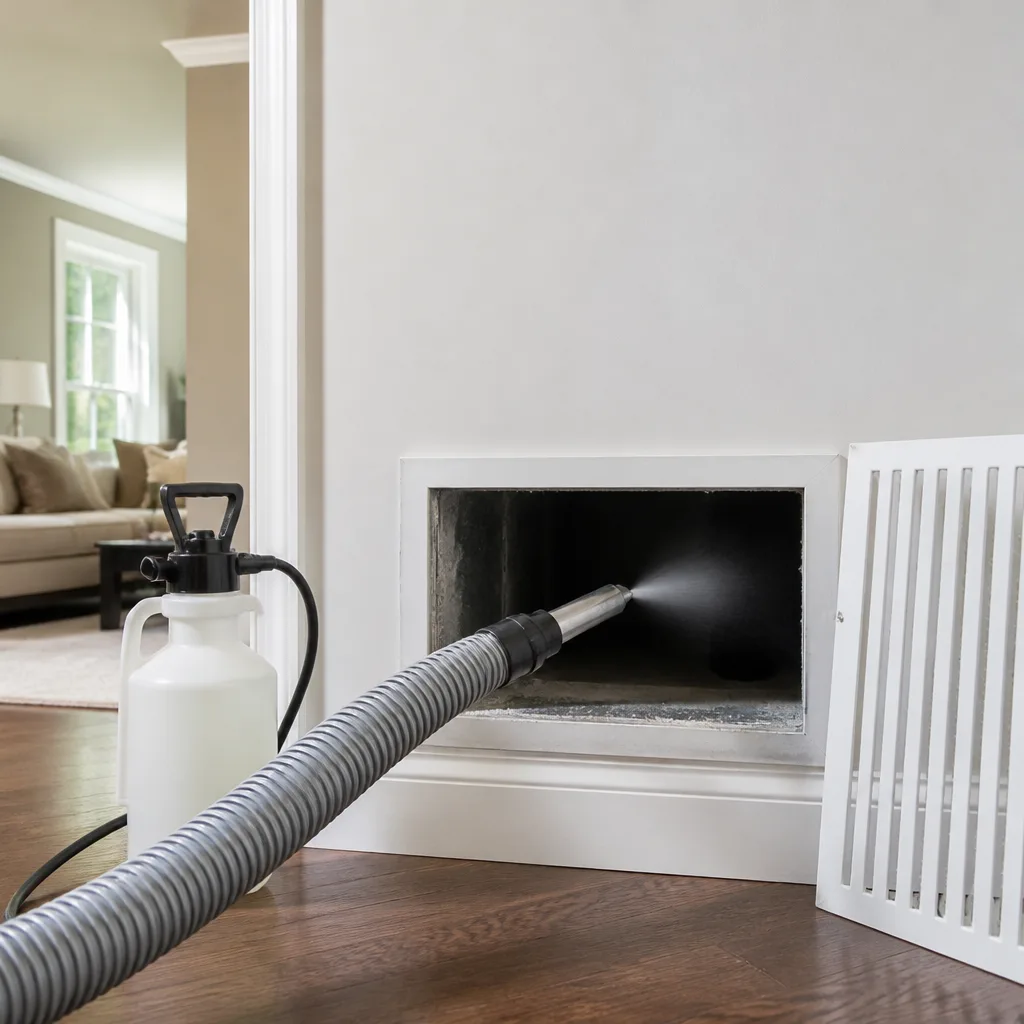 Sanitizing & deodorizing
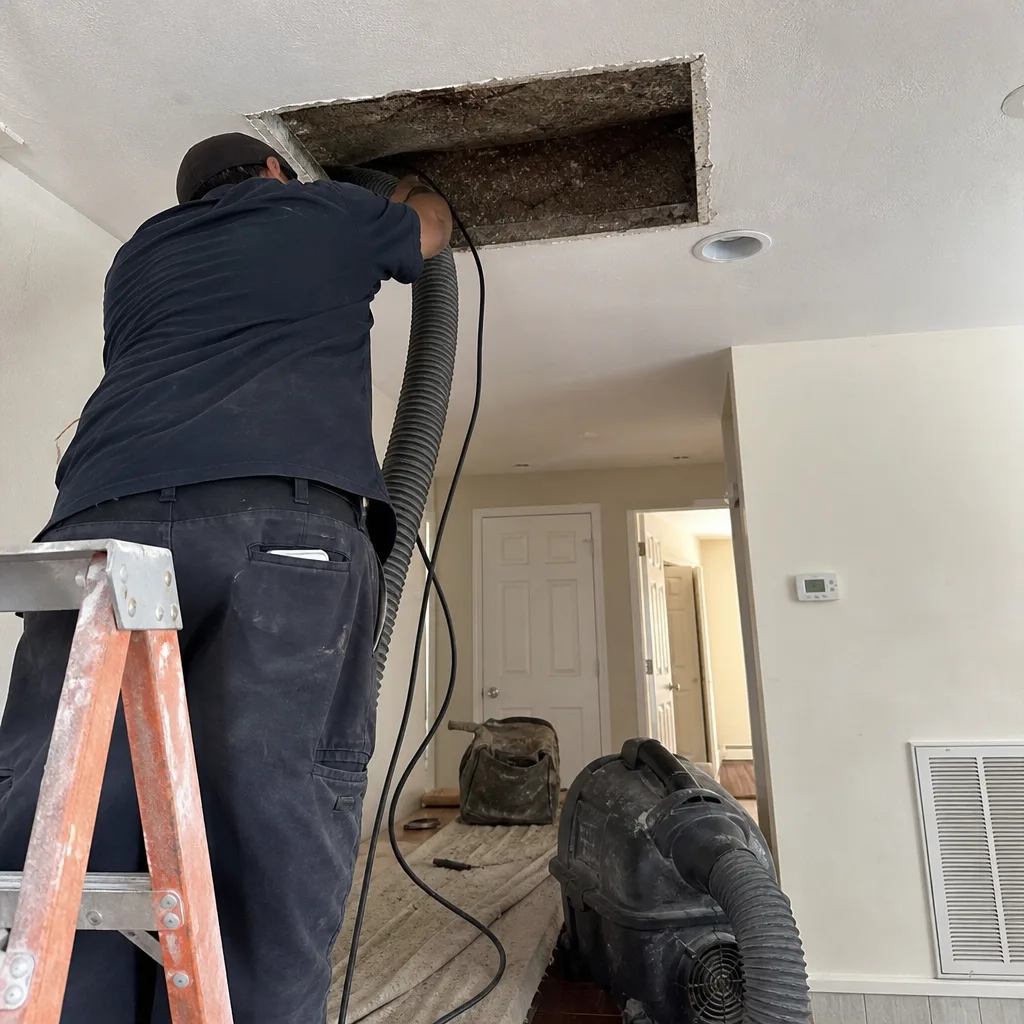
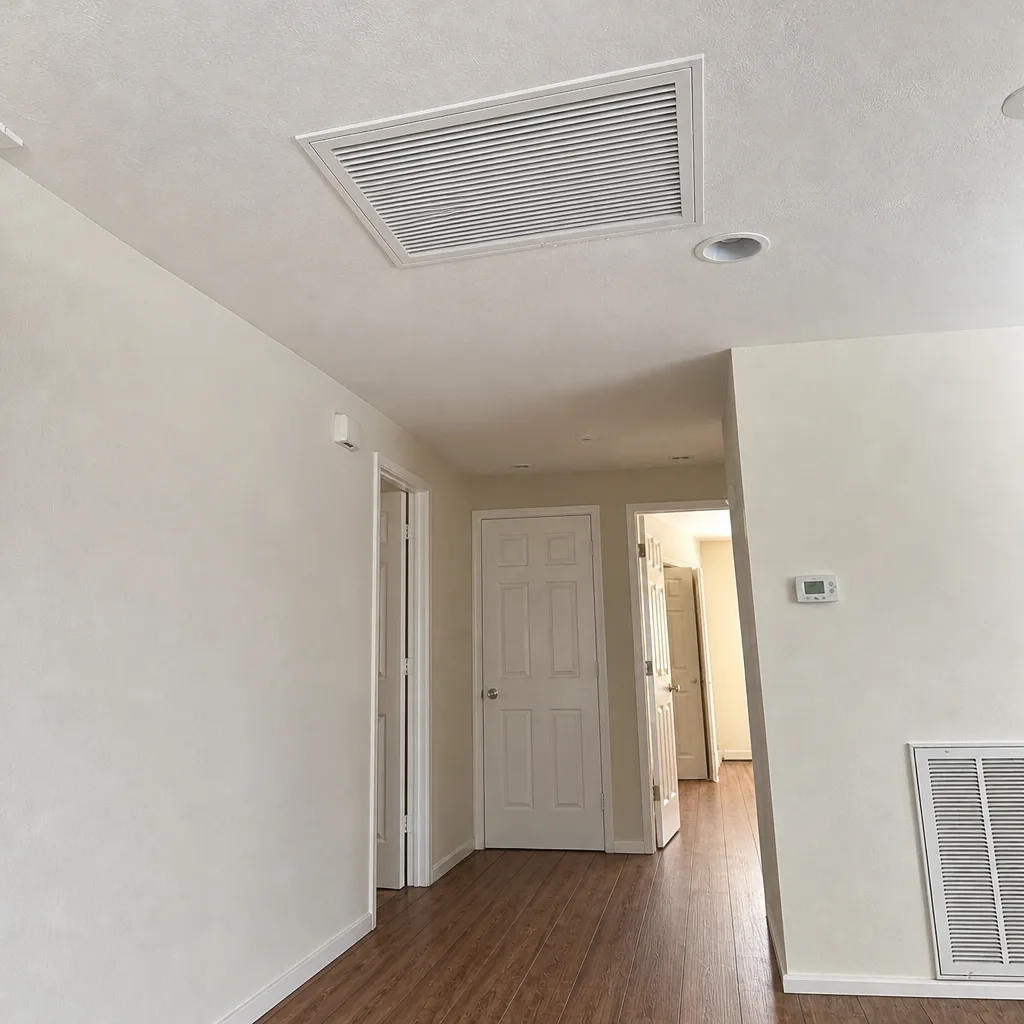
Whole-system duct and dryer vent check with before-and-after photos - you see exactly what came out of your vents
That "$99 whole-house special" is a bait ad - the real number appears once they are in your hallway, or the "clean" is a shop-vac at the register. We photograph the inside of your ducts before and after instead.
The Complete Guide to Air Duct Cleaning in Placentia
If a technician shows up with a shop vac and a rotating brush, you’re not getting your ducts cleaned. You’re getting a performance. The vacuum runs, the noise fills the hallway, the invoice gets written, and the dust that was stuck to the inside of your ductwork is now stuck to the inside of your ductwork in slightly different places. Most Placentia homeowners never see a camera image, a pressure reading, or a before-and-after record. They see a hose and a promise. This guide is written to change that. We’re going to walk through the full sequence a proper job requires, what NADCA standards actually say, why Placentia’s inland heat and smoke seasons load ductwork differently than coastal homes, and how to tell a verified clean from a certificate that only proves someone showed up. You’ll finish knowing exactly what “done right” looks like before anyone touches your system.
Quick Answer
A complete air duct cleaning in Placentia is a sequenced process, not a single pass: video inspection, negative-pressure source removal, leak detection, and sanitization with EPA-registered products. Skipping any one step undermines the others, which is why a shop-vac-and-brush visit isn’t the same service as a professional-grade cleaning with Rotobrush and Nikro equipment. Expect a whole-system estimate rather than a per-vent price, and insist on before-and-after images of your own ducts before you pay.
Styles & brands we work with
- Whole-home duct cleaning
- Dryer vent cleaning
- Camera inspection
- Sanitizing & deodorizing
Table of Contents
- Why Placentia Ductwork Gets Dirty Differently
- The Four-Step Sequence That Defines a Real Cleaning
- What NADCA Standards Actually Require
- Flex Duct, Sheet Metal, Fiberboard: Why Material Changes the Method
- What Air Duct Cleaning Costs in Placentia
- Certificate vs. Verified: How to Tell What You Got
- Dryer Vents: The Fire Hazard Next Door
- Why Repair and Sealing Belong in the Same Visit
Why Placentia Ductwork Gets Dirty Differently
Placentia sits inland of the coastal marine layer, which means our summers run hotter and our air holds more dust and smoke than the beach cities twenty miles west. That difference shows up inside your ductwork. Coastal homes pull in damp, salt-laden air and deal with a different kind of grime. Placentia homes deal with dry heat, wind-driven dust from the Santa Ana corridor, and wildfire smoke that settles into neighborhoods for weeks at a stretch, especially in the fall. The result is a specific contamination pattern you can learn to recognize.
Here’s what we see repeatedly in Placentia duct systems:
- Dry particulate at the return grilles. Fine dust and soot accumulate fastest at the return, where the system pulls air in. This is the first place a camera inspection looks.
- Smoke residue in the supply runs. When wildfire smoke hangs over Placentia for days, it enters through open windows, doors, and any return leak. Over time it coats the interior of the duct with an oily film that traps new dust.
- Heat-driven expansion gaps. Hot inland summers push duct runs through repeated expansion and contraction. Flex duct connections at the plenum and at each register boot loosen over time, and every gap becomes a leak that pulls attic air into your living space.
- Musty odor after the first heat wave. Once the system starts running hard in late spring, the first thing many homeowners notice is a smell. That smell is usually microbial growth on a damp spot inside the air handler or on fiberboard duct lining, not “just dust.”
Placentia’s housing stock adds its own wrinkle. The tract homes built through the 1970s and 1980s in neighborhoods like Alta Vista and along the Chapman corridor often run flex duct through unconditioned attic space, where summer attic temperatures climb well past the air temperature outside. That heat bakes dust onto the duct interior and degrades the flex duct jacket faster than in a cooler climate. Newer construction near the Placentia Town Center tends to use tighter, better-sealed systems, but tight systems also concentrate whatever contamination gets in because there’s less leakage to dilute it. Either way, the cleaning method needs to match the system. Understanding air duct cleaning starts with understanding what your particular house is doing to its own air.
The Four-Step Sequence That Defines a Real Cleaning
A proper duct cleaning follows a fixed order: inspection, then source removal under negative pressure, then leak detection, then sanitization. Each step depends on the one before it. Skip the inspection and you clean blind. Skip negative pressure and you redistribute debris into the living space. Skip leak detection and you recontaminate a clean system the first time the fan runs. Skip sanitization and any microbial growth you dislodged simply settles somewhere new.
Here’s the full sequence, written out so you can compare it to whatever quote you’re holding:
- Video inspection. A camera goes into the main trunk and into representative branch runs. The technician records what’s inside. You should see those images, not just hear a description. This step determines whether the job is light cleaning, heavy source removal, or a repair-first situation.
- Negative-pressure source removal. The system is put under negative pressure so the whole duct volume is pulling inward. Then mechanical agitation, done with professional-grade tools like a Rotobrush or Nikro system, loosens the contamination from the duct walls. Everything loosened is captured at the vacuum source, not blown into rooms. This is where Abatement Technologies filtration equipment comes in, capturing airborne debris at the point of dislodgment.
- Leak detection and sealing. Once the interior is clean, the technician pressure-tests the runs and checks the accessible connections, plenum joints, and register boots. Any gap found gets sealed. A clean system with open leaks is a clean system for about a week.
- Sanitization. The final step applies an EPA-registered sanitizer to the cleaned, sealed interior. Honeywell and Aprilaire products are the ones we reach for here because they’re formulated for HVAC surfaces and documented for the application. This is also the point where a fresh filter goes in.
That’s the whole process. Anything shorter is a partial job, and a partial job is why so many homeowners say duct cleaning “didn’t do anything.” If the company you’re considering can’t tell you which of these four steps they perform, that’s your answer about whether to hire them. The full job, including sealing and sanitizing, is what we mean when we say we clean it, repair it, and seal it in one visit.
What NADCA Standards Actually Require
The National Air Duct Cleaners Association publishes a document called ACR, the Assessment, Cleaning, and Restoration standard. It is the reference most credible duct cleaning companies build their process on. The key word in that title is “assessment” – the standard begins with inspecting and documenting conditions before any cleaning begins. That single requirement rules out the practice of arriving, immediately hooking up a vacuum, and skipping straight to the invoice.
Here’s what ACR expects, in plain terms:
- Assessment before cleaning. The condition of the system is evaluated and documented first. If a component is damaged or the system is contaminated in a way that cleaning alone won’t resolve, that gets identified up front.
- Source removal as the primary method. Contaminants are physically removed from the system, not sealed in place or chemically masked. Mechanical agitation plus negative-pressure collection is the standard approach.
- Protection of the occupied space. The work must not introduce contaminants into the home. That’s what negative air equipment and on-site filtration are for.
- Restoration to a clean condition. The system is returned to a state that can operate without recontaminating itself, which means leaks get addressed and components get returned to service properly.
Now the honest part: what most local companies advertise and what they actually do are two different things. A company can print “NADCA-compliant” on a flyer while running a single truck-mounted vacuum with no camera inspection, no leak detection, and no documentation. Placentia homeowners deserve to know the difference. NADCA ACR is the benchmark, not a marketing badge. When you compare air duct cleaning services, ask which steps of the ACR sequence the technician performs and ask to see an inspection report from a recent job. If they can’t produce one, you’ve learned something.
Flex Duct, Sheet Metal, Fiberboard: Why Material Changes the Method
The same cleaning tool applied to the wrong duct material does more harm than good. Placentia tract homes carry all three of the common duct types, often within the same house, and the technician has to identify each material before choosing equipment.
Flex duct is the corrugated, flexible hose run through attic and crawl spaces in most Placentia homes built from the 1970s onward. The interior is a spiral of wire wrapped in a thin plastic liner. Aggressive rotary brushing tears that liner, which creates new leaks and exposes the wire. The correct approach is lower-pressure, controlled agitation with a soft tool, plus careful inspection for liner damage before cleaning begins. If the liner is already torn, cleaning is not the fix; replacement of that run is.
Sheet metal trunk lines can handle more aggressive rotary cleaning. The metal surface takes mechanical agitation well, and the seams can be inspected visually after cleaning. This is the material a Rotobrush or Nikro rotary system is designed to work against.
Fiberboard duct is the most delicate. Its interior is a porous, pressed-fiber surface that can absorb moisture, which makes it the most likely place for microbial growth. It cannot tolerate wet cleaning and often cannot be aggressively brushed. A technician working on fiberboard needs to know when the correct answer is “this section should be sealed or replaced,” not “let’s clean it harder.” That decision is exactly what the video inspection from step one is meant to catch.
When we inspect a Placentia duct system, the report identifies every material present and what cleaning method each section tolerates. That’s the difference between a cleaning that improves your airflow and a cleaning that leaves you with a leaky flex run and a bigger electricity bill.
What Air Duct Cleaning Costs in Placentia
Air duct cleaning in Placentia is priced per system, not per vent. The typical whole-system estimate runs in a range, and the written estimate sets the final price. What makes a quote higher or lower is the size of the system, the number of runs, what the inspection finds, and whether sealing or repair is needed on the same visit. A single-family home with a manageable system and no repair needs lands at the low end. A larger system with damaged flex runs or multiple sealing targets lands at the high end.
What matters more than the number itself is what the number covers. Here’s what you should be comparing on any Placentia quote:
- The four-step sequence. Inspection, negative-pressure source removal, leak detection, sanitization. If the quote omits a step, it’s a partial service.
- Before-and-after documentation of your own system. Images from your ducts, not stock photos.
- Professional-grade equipment named on the quote. Rotobrush, Nikro, and Abatement Technologies are industry brands. A quote that doesn’t name equipment is a quote for “a van and a hose.”
- Whether sealing and repair are included or add-on. A quote that excludes repair will almost always grow once the technician is on site.
- Whether the price is fixed once agreed. One flat price per system, set before work begins.
- Whether sanitization products are named. Honeywell and Aprilaire are recognized brands. “Antimicrobial spray” with no brand behind it is a question mark.
- Whether the company can repair and seal in the same visit. If not, you’re coordinating a second contractor and paying a second trip.
What you should not see is a per-vent number that anchors the conversation and then expands to a much larger invoice once the technician is standing in your hallway. That’s the bait-and-switch pattern that gives this trade its reputation, and it’s the single most common complaint we hear from Placentia homeowners who call us after a cheap quote became an expensive afternoon. One flat price per system, agreed in writing, with the before-and-after images in your hand before payment. If a company can’t put that in writing, keep calling. Our technicians have up to 12 years of experience, and the local pro is state-licensed and insured as the state requires.
Certificate vs. Verified: How to Tell What You Got
A “cleaning certificate” is a piece of paper. A verified cleaning is a system that has been inspected, cleaned, sealed, and documented, with the evidence in your hands. Most homeowners don’t know they should ask for the second one, which is why so few receive it.
Here’s the difference between the two, written out so you can check:
- Verified work has images. Video or still images of the duct interior before cleaning and after. The after-images show the actual surface you paid to have cleaned.
- Verified work has a written record of what was sealed. Which joints, which plenum connections, which register boots. If sealing wasn’t needed, the record says so.
- Verified work names the products used. The sanitizer brand, the equipment used for the cleaning, and the filter that was installed. Not “professional-grade solution.”
- Verified work is signed off by the technician who did it. Not by a salesperson who quoted it.
- A certificate, by contrast, usually says only that a cleaning was performed on a date. It cannot show you what was done or verify the result.
We call this “your air quality, documented.” It’s not a slogan. It’s the deliverable: images, a written record, and a system you can verify with your own eyes before you pay. Ask for it from anyone you hire. If the answer is “we don’t take those,” you’ve found the difference between a cleaning and a visitation.
Dryer Vents: The Fire Hazard Next Door
Duct cleaning and dryer vent cleaning are separate services, but they share a homeowner habit: both get deferred because the consequence isn’t visible yet. A clogged dryer vent is a fire hazard, not a minor chore. The lint that builds up inside the vent run reduces airflow, the dryer runs hotter, and the accumulated lint is a fuel source. That’s a real safety outcome that has nothing to do with air quality and everything to do with your household’s risk.
Most duct cleaning companies either ignore dryer vents entirely or outsource them to a subcontractor, which means the person arriving at your door isn’t the person you booked. We handle dryer vent cleaning as a standalone service, with the same professional equipment we use on the air side of the system. The work involves pulling the lint out of the full vent run, checking the exterior termination for blockages and proper operation, and verifying that airflow through the line is restored.
Placentia’s dry inland heat is a factor worth naming. Homes here run dryers more in spring and summer, and the vent run through an unconditioned attic hits temperatures that bake lint into a dense, sticky layer. That layer doesn’t move on its own. When was the last time the vent behind your dryer was actually looked at rather than just vacuumed at the lint trap? For a lot of Placentia homeowners, the honest answer is never. If you’re not sure, that’s your first appointment to schedule. Both services can be handled in one visit, which is the argument for using a company that does both rather than booking two contractors.
Why Repair and Sealing Belong in the Same Visit
The most expensive part of duct work isn’t the cleaning. It’s the second contractor. A cleaning company finds a leak or a damaged flex run, tells you about it, and then tells you to “call an HVAC contractor.” You now have a clean-but-leaky system, a second appointment, a second inspection, a second written estimate, and a system that recontaminated itself in the gap between visits.
We take the opposite approach. The inspection happens first, and anything found gets corrected in the same visit. That includes:
- Torn or disconnected flex duct at the plenum, at the register boot, or mid-run.
- Loose or failed connections where sections of duct meet, which are the most common leak points in tract homes.
- Gaps in the plenum where the duct attaches to the air handler, which pull attic air into the supply stream.
- Unsealed register boots where the duct meets the interior grille, often found along the ceiling line in Placentia homes with standard finishes.
- Fiberboard sections that are damaged beyond cleaning and need sealing or replacement.
The reason this matters is airflow. A duct system with significant leakage loses conditioned air into the attic, so the rooms you’re trying to cool get less of what the system produces. That shows up on the energy bill and in uneven room temperatures, and it doesn’t get fixed by cleaning alone. When the inspection finds a leak, it gets sealed in the same visit. That’s the whole point of HVAC cleaning as part of a full scope rather than a separate errand. The system gets cleaned, repaired, and sealed once, and then it’s done.
Common Mistakes to Avoid
- Hiring on price alone. The lowest quote in Placentia almost always omits a step from the sequence, and the missing step is usually negative-pressure containment or leak detection. A cheap cleaning that redistributes debris into your living space costs more in the long run than a professional job.
- Never asking to see the before-and-after images. If you don’t receive images of your own ducts, you have no way to verify the work happened. Ask up front, before the technician arrives, so there’s no awkward conversation at payment.
- Treating a certificate as proof. A piece of paper with a date on it confirms a visit, not a cleaning. The verification is the images and the written record, not the certificate.
- Assuming “duct cleaning” includes the air handler. The air handler and evaporator coil accumulate dust too. If the quote doesn’t include HVAC cleaning, you’re leaving the biggest source of contamination untouched.
- Skipping dryer vent cleaning because it “seems fine.” A blocked dryer vent is a fire risk that doesn’t announce itself. In Placentia’s dry heat, lint packed into an attic-run vent is worth checking well before it becomes a problem.
- Letting a company repair in a second visit. Any company that identifies a leak and defers the fix to another contractor, or another appointment, is setting you up for a recontaminated system. The repair belongs in the same visit as the cleaning.
- Ignoring the smell after the first hot week. Musty odor in the supply air after the system starts running hard is usually a sign of microbial growth on a damp fiberboard or coil surface. “Just dust” is rarely the explanation, and cleaning without testing is guesswork.
See the difference
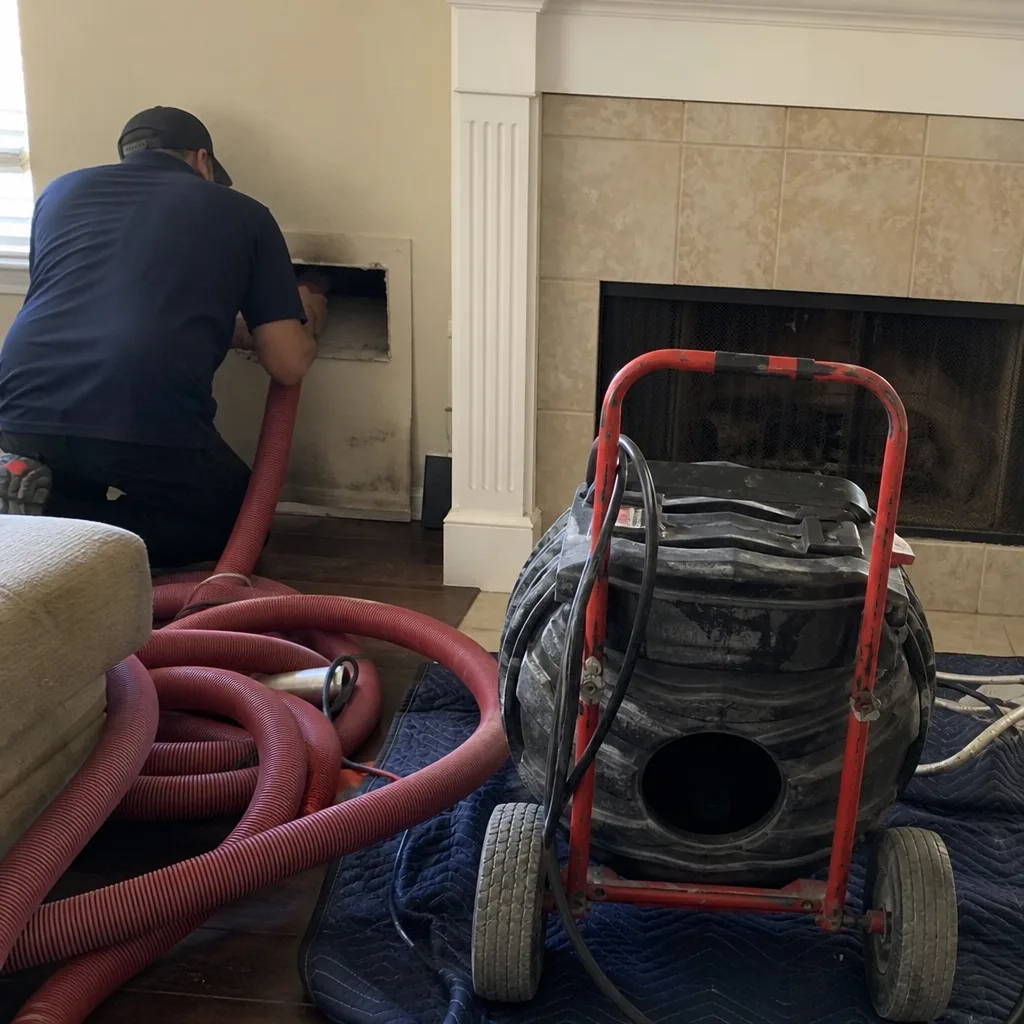 Before
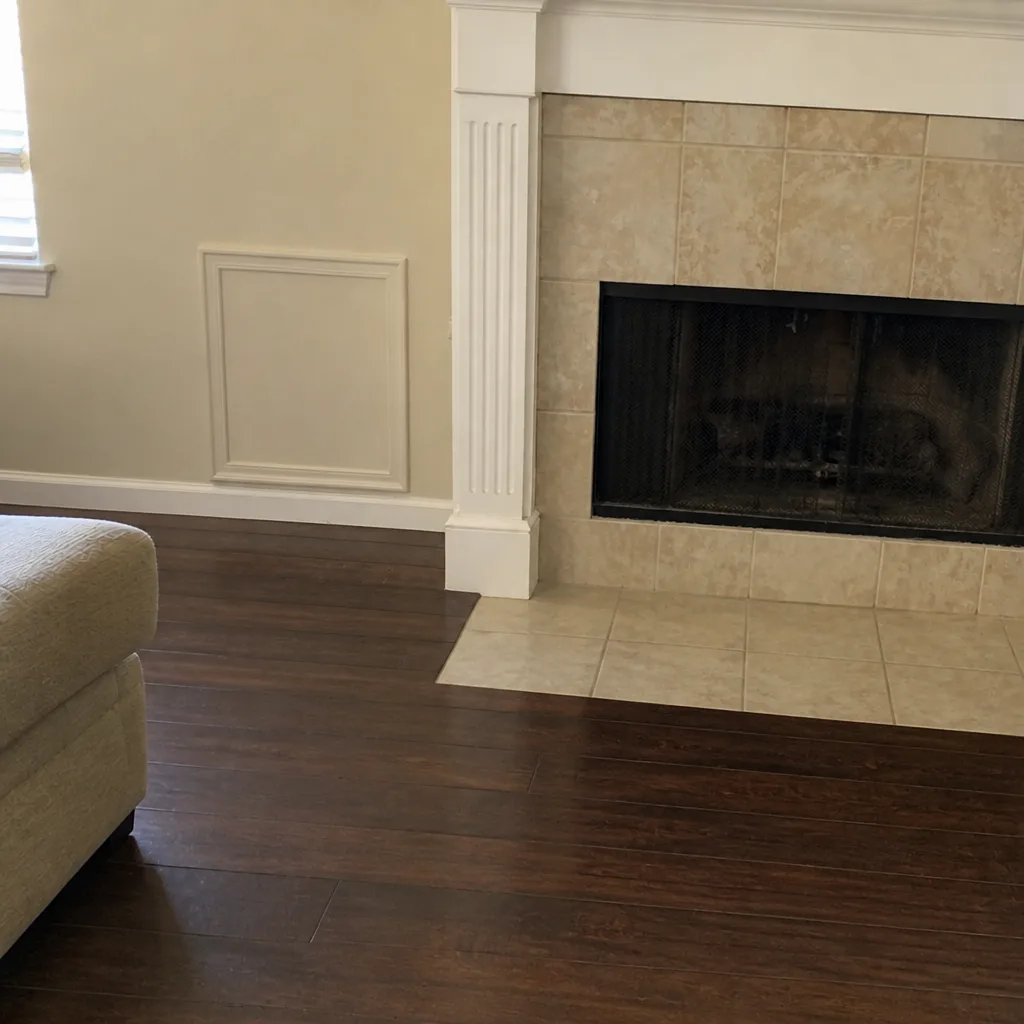 After
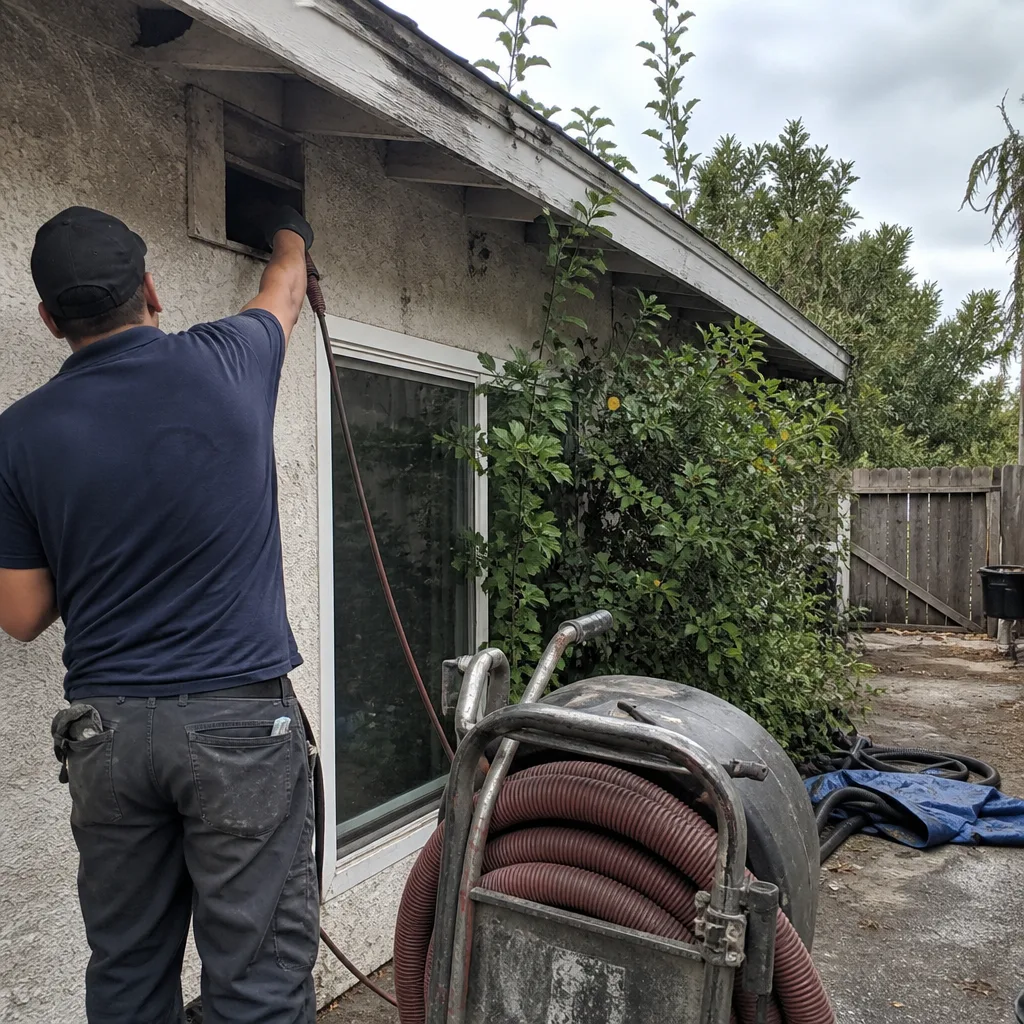 Before
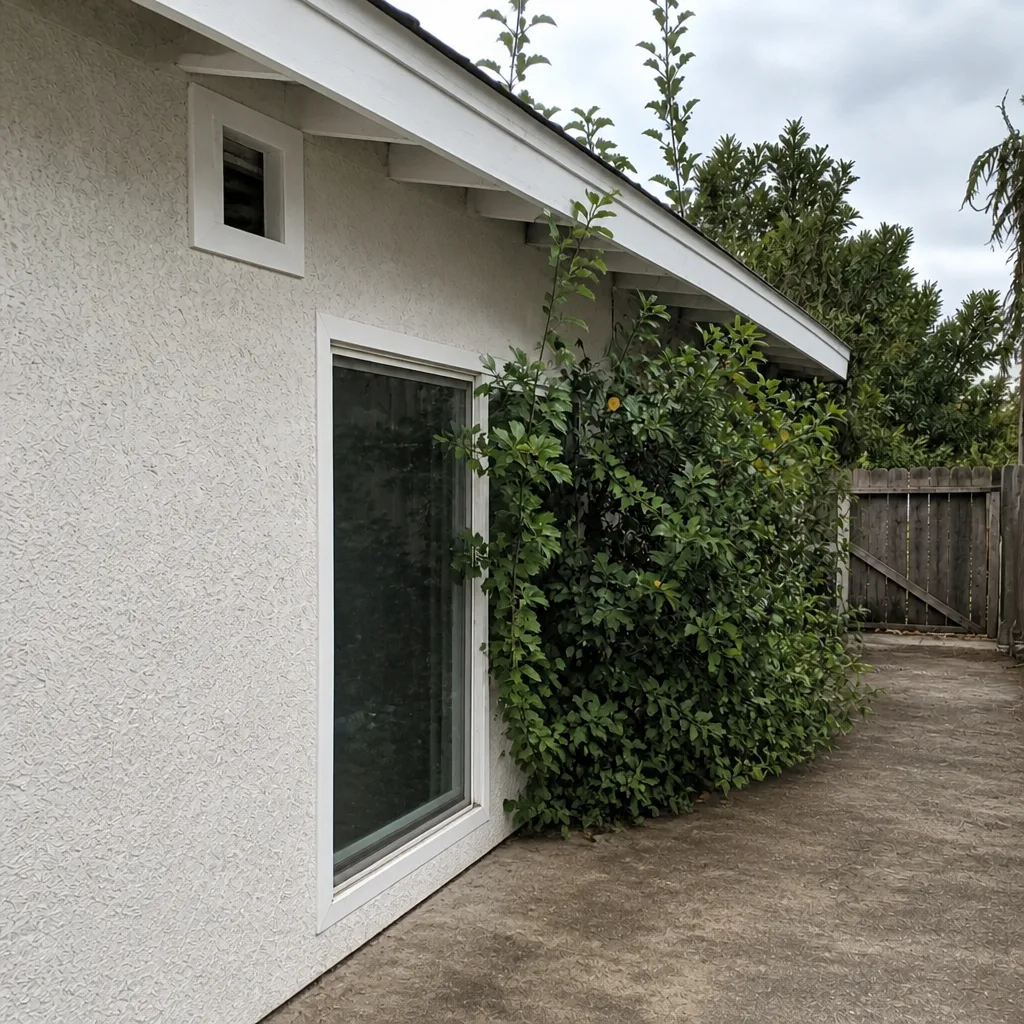 After
 Before
 After
When to Call a Professional
Some duct problems announce themselves. A musty odor that shows up whenever the system runs, visible dust blowing from a register after the fan cycles, room temperatures that vary by more than a few degrees in different parts of a Placentia home, or an unexplained jump in the energy bill are all signals that the system is leaking, contaminated, or both. Allergy flare-ups that follow the HVAC season rather than the pollen calendar are another signal worth taking seriously. And if you can’t remember the last time the ductwork was inspected, that’s the strongest argument for scheduling one.
What you shouldn’t do is guess. A camera inspection takes minutes and tells you what’s actually happening inside the system. Placentia Air Duct Cleaning Pros offers free estimates in Placentia. Call (866) 937-8913. We answer 24/7. Fast dispatch from 7am to 7pm, Sunday through Friday.
Frequently Asked Questions
Air duct cleaning in Placentia is priced per system, not per vent, and the typical estimate depends on system size, number of runs, and whether repair or sealing is needed. The written estimate sets the final price, agreed before work starts. Call (866) 937-8913 for an exact quote. Estimates are free.
Cheap quotes are almost always partial jobs: no video inspection, no negative-pressure containment, no leak testing, and no documentation. You’re paying for the time, not the result. A full four-step cleaning with professional equipment costs more up front because the work is actually being done. Call (866) 937-8913 to compare a full-scope estimate against whatever number you’ve been quoted.
You should see before-and-after images of your own ductwork, a written record of what was sealed, the names of the products and equipment used, and the technician’s sign-off. Not a stock photo, not a certificate with a date. That’s the verification standard we deliver. Call (866) 937-8913 and ask us to walk you through what the report will contain.
Most homes can go a few years between cleanings, but Placentia homes sit inland of the coastal marine layer and deal with wildfire smoke seasons and dry dust that load ductwork faster than the beach cities. Homes with pets, recent renovation, or a history of musty odor often need attention sooner. A camera inspection is the only way to know for sure. Call (866) 937-8913 for a free estimate.
Only if the company offers HVAC cleaning as part of the service. Duct cleaning covers the duct runs and distribution; HVAC cleaning covers the air handler, evaporator coil, and the equipment side of the system. We handle both in one visit through a professional-grade process built on brands HVAC professionals trust. Call (866) 937-8913 to book both together.
Yes. When the inspection finds a leak, torn flex duct, or a damaged joint, we correct it during the same visit rather than deferring it. That keeps the system from recontaminating itself between appointments and saves a second trip. Call (866) 937-8913 and tell us what you’ve noticed. We’ll tell you what the visit will involve.
The Bottom Line
A real duct cleaning is a sequence, not a service call. Video inspection first, then negative-pressure source removal with professional-grade equipment, then leak detection and sealing, then EPA-registered sanitization with a named brand behind it. Anything less is a partial job, and a partial job is why duct cleaning has a reputation problem. Placentia’s inland heat and smoke seasons load ductwork differently than coastal homes, so the method has to match what the system actually is. One flat price per system, agreed before work starts, with before-and-after images in your hands. That’s the standard worth holding anyone to. Your air quality, documented.
Call (866) 937-8913 for a free estimate. We answer 24/7. Fast dispatch from 7am to 7pm, Sunday through Friday.
Written by the team at Placentia Air Duct Cleaning Pros.